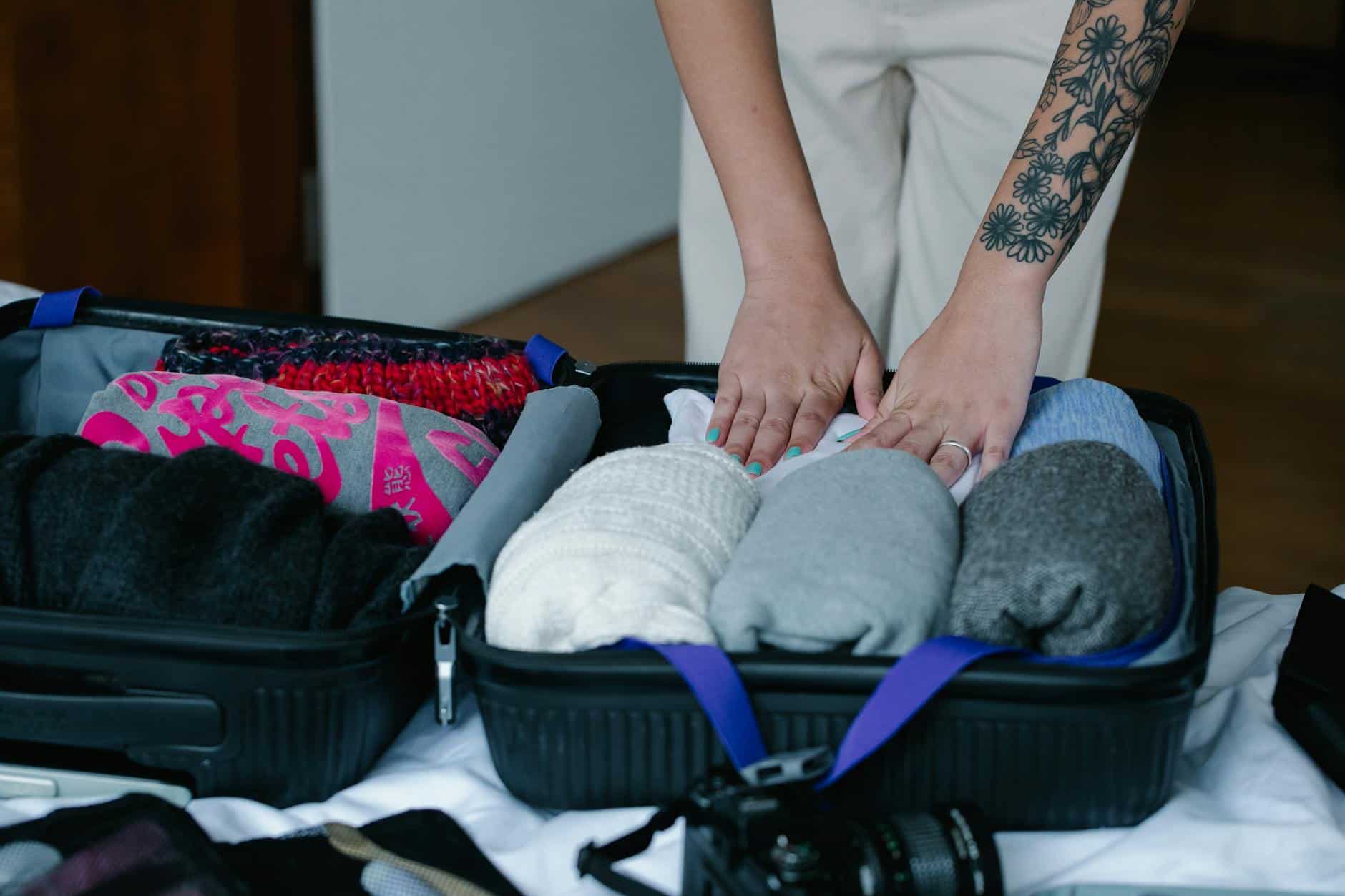
The Packing Mistake That Ruins the First Three Days of Every Hot-Weather Trip Isn’t What You’d Guess
We may earn money or products from the companies mentioned in this post. This means if you click on the link and purchase the item, I will receive a small commission at no extra cost to you ... you're just helping re-supply our family's travel fund.
Most people packing for a hot destination focus on the obvious: enough shorts, a swimsuit, sunscreen. The mistakes that actually derail the first few days of a trip tend to be smaller and less obvious, the kind that don’t seem like a problem until you’re standing in 95-degree heat realizing your feet are blistering, your phone is overheating, or you packed nothing that dries overnight in a room without air conditioning.
Footwear Is Where Most Hot-Weather Trips Go Wrong First

New sandals or new walking shoes, broken in for the first time on day one of a trip, are responsible for more ruined first days than almost anything else travelers pack wrong. Blisters from stiff, unbroken-in footwear can sideline someone for the better part of a trip, especially in destinations that require significant walking on uneven cobblestone or sand. Experienced hot-climate travelers break in any new footwear for at least a week before departure and pack a broken-in backup pair, not a second new pair.
The Footwear Mistakes That Compound Fastest
- Packing only flip-flops for a destination with significant walking, which offers no support over multiple miles a day
- Bringing brand-new shoes specifically bought for the trip, guaranteeing a break-in period happens during vacation instead of before it
- Not packing a way to dry wet shoes overnight, leaving travelers stuck in damp footwear on day two
- Underestimating how much hotter pavement and sand feel than the ambient air temperature suggests
Fabric Choices That Ruin the First Few Days

Cotton, the most commonly packed fabric for hot-weather trips, absorbs sweat and holds onto it, leaving travelers damp and chafed for hours in humid climates and taking a full day or more to dry in rooms without reliable air conditioning or a working ceiling fan. Moisture-wicking synthetic blends or linen dry dramatically faster and handle humidity better, a detail seasoned travelers to places like Southeast Asia, the Gulf Coast, or the Caribbean learn quickly, usually after their first trip’s worth of clammy discomfort.
What Experienced Hot-Weather Travelers Pack Instead
- Linen or technical synthetic shirts that dry within a few hours when hand-washed in a sink
- A minimum of two backup outfits specifically chosen for how fast they dry, not how they look
- A compact portable fan or handheld battery fan for destinations where air conditioning isn’t guaranteed
- Electrolyte packets, since heat and humidity accelerate dehydration faster than most travelers expect on the first acclimatization days
The Sun Protection Mistake That Shows Up on Day Two, Not Day One
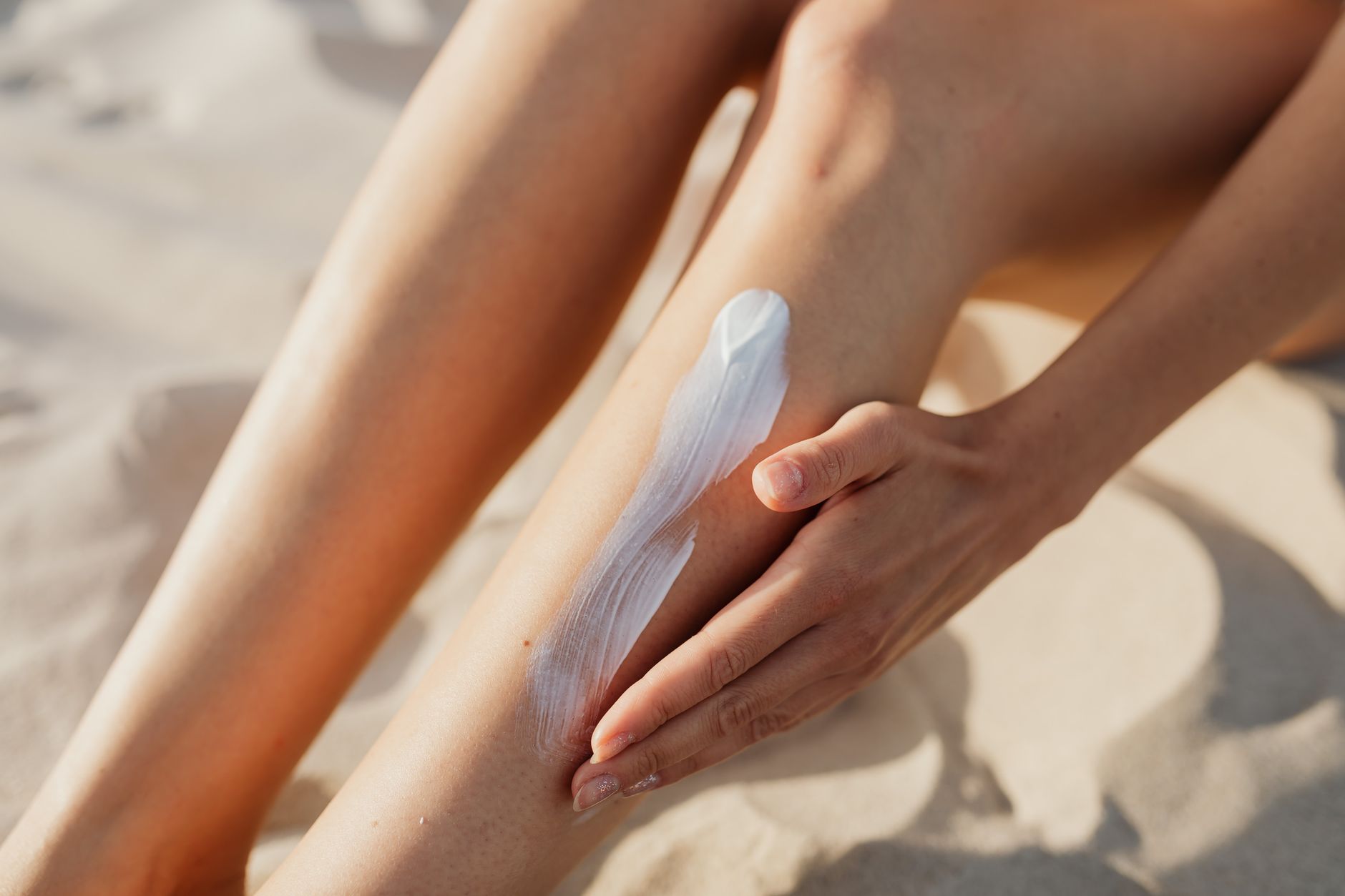
The most common sun protection mistake isn’t forgetting sunscreen entirely, it’s applying too little, too infrequently, or packing a formula not rated for genuine tropical or high-altitude sun intensity. Sunburn on day one routinely sidelines travelers for days two and three, turning a hot-weather trip’s best window into a period spent seeking shade and nursing sensitive skin. Reapplication every two hours, not just a morning application, is the detail most first-time hot-climate travelers skip.
Other Overlooked Hot-Weather Packing Failures
- Not packing a physical fan or cooling towel for transit days spent in un-air-conditioned vehicles, trains, or airports
- Bringing only dark-colored clothing, which absorbs significantly more heat than light or white fabrics in direct sun
- Forgetting that phones and cameras can overheat and shut down in direct tropical sun, losing access to maps or photos at inconvenient moments
- Underpacking hydration supplies for the first 48 hours, the window when the body is still acclimating to heat it hasn’t experienced recently
Why the First Three Days Matter More Than the Rest of the Trip
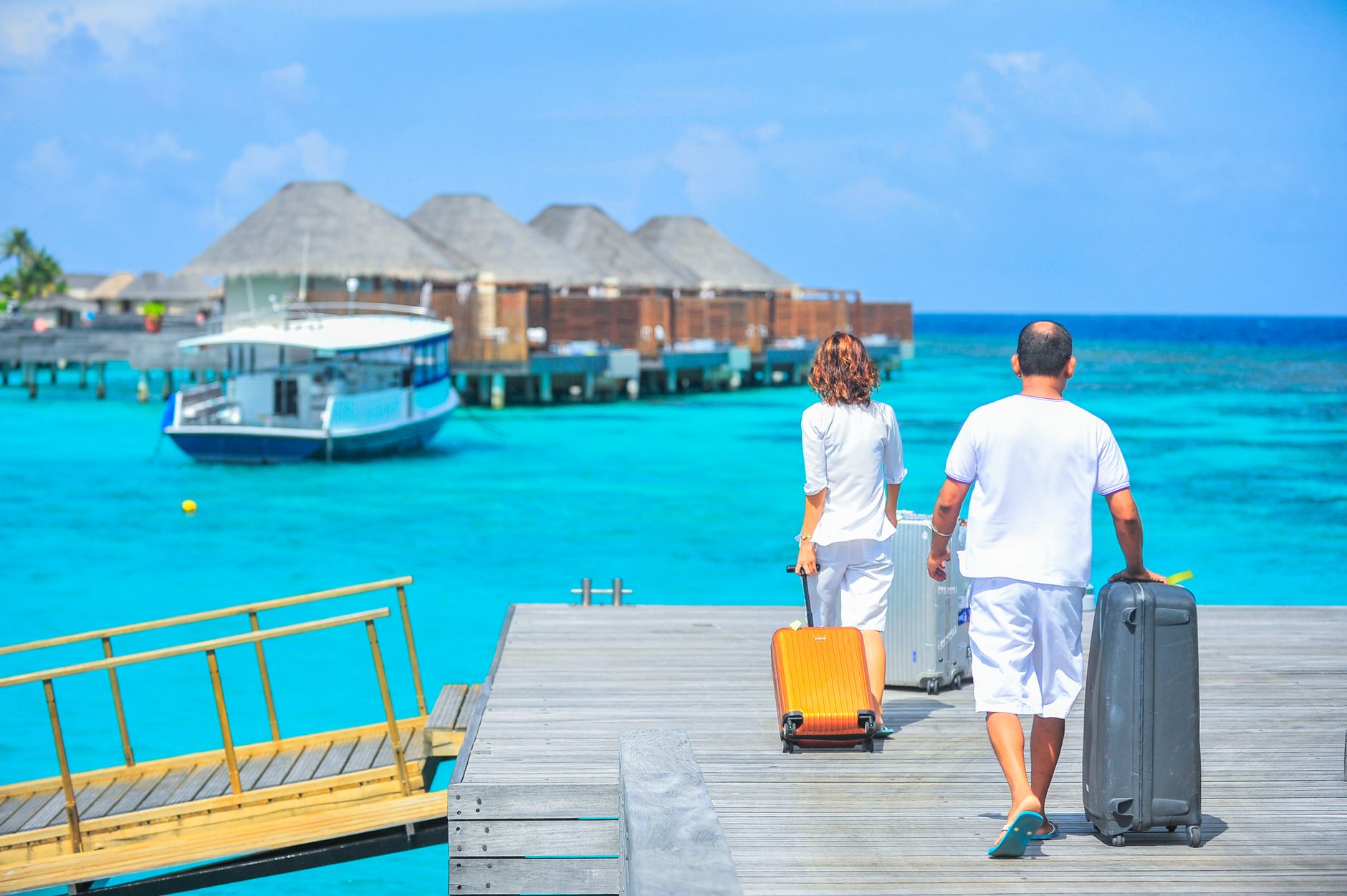
Heat acclimation takes the human body roughly a week of consistent exposure, meaning the first few days of any hot-weather trip are physiologically the hardest, regardless of how fit or experienced the traveler is. Packing mistakes that seem minor at home, a slightly stiff sandal, a cotton shirt, a sunscreen applied once, compound specifically during this adjustment window, when the body has the least margin for error. Getting the small stuff right for the first 72 hours tends to matter more than any other single packing decision on the entire trip.
The Electronics and Documents Mistake Nobody Warns You About

Heat and humidity are also responsible for a specific category of travel mistake that has nothing to do with clothing: electronics failure. Phones, portable chargers, and cameras left in direct sun, in a hot car, or in a beach bag without shade can overheat and shut down entirely, sometimes losing access to downloaded offline maps, hotel confirmations, or translation apps at exactly the moment they’re needed most. Humid climates also accelerate corrosion on charging ports and headphone jacks faster than travelers from drier climates typically expect, especially over trips longer than a week.
Paper backups of critical documents, printed hotel confirmations, a physical copy of a passport page, a written-down address in the local language, solve a problem that a dead phone battery creates instantly in an unfamiliar hot-weather destination. Experienced hot-climate travelers also keep electronics in a light-colored, insulated pouch rather than a dark bag that absorbs heat, and avoid leaving devices in direct sun on a beach chair or car dashboard even for short periods.
A Quick Reference for the First 72 Hours
- Break in all footwear at least a week before departure, no exceptions for sandals or flip-flops
- Pack at least three quick-drying outfits specifically, not just clothes that happen to be lightweight
- Reapply sunscreen every two hours during daylight outdoor activity, not just once in the morning
- Keep phones and cameras out of direct sun and inside a light-colored, insulated pouch when not in use
- Carry printed backups of key documents and addresses in case a device overheats or loses charge
None of these fixes require an entirely new suitcase of specialized gear. Most come down to timing: breaking in shoes early, choosing fabric deliberately, and reapplying sunscreen on a schedule rather than once in the morning. The travelers who arrive prepared for the first 72 hours are, overwhelmingly, the ones who report actually enjoying the rest of the trip instead of spending it recovering from decisions made while packing weeks earlier.