Some People Feel More Like Themselves Abroad — Here’s Why Distance Can Change Your Sense of Self
We may earn money or products from the companies mentioned in this post. This means if you click on the link and purchase the item, I will receive a small commission at no extra cost to you ... you're just helping re-supply our family's travel fund.
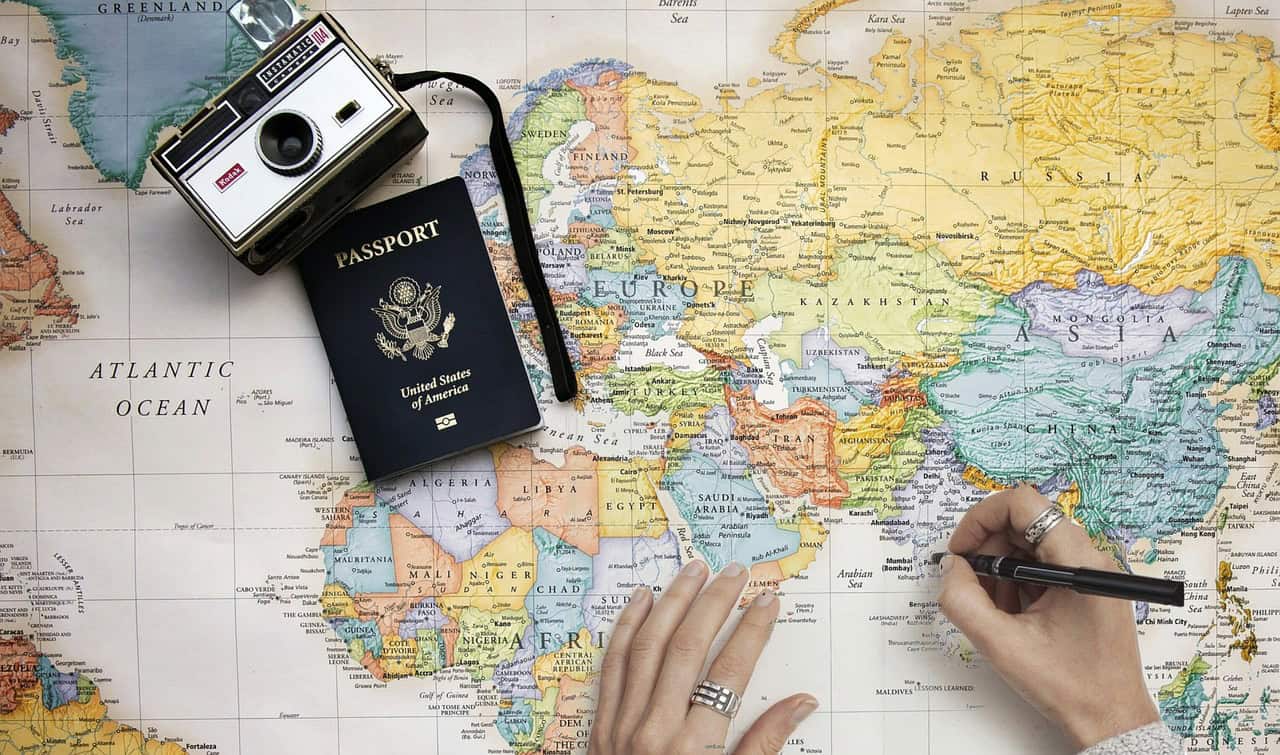
Plenty of travelers describe the same strange feeling. Somewhere between the airport and the first dinner, they start to feel lighter, funnier, braver, or calmer than they do at home. Some people say it feels as if they have finally met themselves. If you have ever wondered why you feel like yourself abroad, the answer is not mystical. It is psychological, and it rests on a few well-understood effects.
Distance changes the conditions that shape how you behave. It strips away roles, interrupts habits, and gives you a clean slate with strangers. The sections below explain what is going on, and also where the feeling can mislead you.
Why You Can Feel Like Yourself Abroad: What Distance Does to Identity

At home, much of who you are is held in place by other people and routines. You are a boss, a parent, a sibling, a coworker, a neighbor, and the person who always orders the same thing. Each role comes with expectations, and people around you know your history. When you leave, most of those anchors disappear. What remains may feel like a more basic version of you, and many people interpret that as the real one.
Psychologists would add a caution: you are not discovering a hidden self so much as seeing which parts of your personality are activated by different settings. That does not make the feeling less valid. It simply means the experience is real because the context is different, and context shapes behavior.
Roles and Expectations Fall Away
Social psychology has long noted that people play different roles in different contexts, and that others’ expectations shape our behavior. At home, friends and family may expect you to be the responsible one, the funny one, or the quiet one. Colleagues expect competence. Abroad, no one holds those expectations, so you may act in ways that would feel out of character at home.
For many people this is a relief. You can talk to strangers without worrying how it looks, wear what you like, change your accent or volunteer to try something you would never try in front of your family. Because no one knows your history, you can behave according to your preferences rather than your reputation.
Novelty Wakes Up Attention
Everyday life runs on habits. You drive the same route, order the same coffee, and think about the same worries. Habits are efficient, but they dull awareness. In an unfamiliar place, nearly everything is new, so you pay attention. You read signs, notice faces, and make decisions deliberately.
That heightened attention can feel like being more alive, and more present in your own life. Studies of novelty and memory suggest that new experiences are encoded more vividly, which is one reason that a week abroad can feel longer than a week at home. When attention is sharper, you are more aware of what you like and dislike, and that awareness feels like clarity about who you are.
A Clean Slate With Strangers
Abroad, you meet people who do not know you. That gives you a chance to present yourself differently, not as a deception but as a choice about which parts of yourself to emphasize. Some people find that they are more open, curious, or adventurous when they are not tied to their social history.
This is sometimes described as a kind of social experimentation. You can try a new name for yourself, a new style of humor, or a new way of introducing yourself, and see how people respond. When the response is warm, it reinforces the new behavior, and you may carry it home.
Language and Culture Shift Your Persona
Research on bilingual people has found that many feel they have slightly different personalities in different languages. Speaking another language can make you more careful, more playful, or less inhibited, depending on your relationship with it. Some studies also suggest that people make different moral and emotional judgments in a second language, which has been called the foreign-language effect.
You do not have to be fluent for this to matter. Even a few phrases can change how you present yourself, and living in a culture with different norms about directness, humor, or personal space nudges your behavior. Over time, you may notice yourself adopting habits that suit you better than the ones you left.
Less Pressure From the Daily Mental Load
At home, you carry a long list: bills, chores, messages, deadlines, and obligations. On a trip, many of those fall away. Your mind has room to wander, and your attention turns to experiences instead of tasks. Lower stress can change how you act. You may be more patient, more generous, and more spontaneous.
Travel also gives permission to rest. Many people find that when they remove daily pressures, they can hear their own preferences, such as whether they like mornings, quiet, crowds, or long walks. What feels like a new self may be an old self that was drowned out.
What the Feeling Can Hide
There is a risk in treating the abroad version of yourself as the authentic one. Several things are true at the same time.
- Context creates the feeling. You are not fundamentally different abroad, you are in conditions that allow different parts of you to appear.
- The change can fade. Many travelers feel the glow wane after returning home, because the old roles and routines return.
- Escape is not the same as growth. If you feel better only when away, it may be worth asking what at home is weighing on you.
- Some people feel less themselves abroad. Language barriers, homesickness, or culture shock can make travelers feel unmoored. That is also a normal reaction.
How to Bring the Feeling Home
If you like who you are abroad, you can try to keep some of it. The goal is not to reinvent your life, but to make small changes that give those traits room.
- Notice what you did differently. Did you talk to more people, wake up earlier, or take more walks? Write it down.
- Recreate a few conditions. Try new routes, new restaurants, or new activities close to home.
- Protect time. Leave space in your schedule for unstructured time, which many people lose at home.
- Renegotiate roles. If you want to be less of the responsible one, talk to people close to you about sharing the load.
- Keep learning. A language class or a new hobby can bring back the sense of novelty.
- Plan the next trip with intention, choosing experiences that bring out the version of yourself you like.
When Travel Reveals Something Bigger
For some people, feeling more like themselves abroad is a clue about a larger question: where they want to live, what work they want to do, or how they want to spend time. Expatriates and long-term travelers often describe a point at which a visit turned into a move. If the feeling persists across several trips, it may be worth paying attention.
It can also reveal needs that are easy to ignore, such as more nature, more social contact, more solitude, or more creative time. The trip becomes a diagnostic. You learn which conditions help you thrive, and you can use that information at home.
Who Tends to Feel This Most
Not everyone reports the same effect, and it helps to know who tends to feel it strongly. People with demanding roles, such as caregivers, managers, and those in tightly knit communities, often feel the most relief when they travel, because they are released from heavy expectations. People who have moved often, or who grew up between cultures, sometimes feel at home in transit itself.
Introverts and extroverts can both feel it, in different ways. An introvert may feel freer because no one expects small talk with acquaintances, while an extrovert may enjoy the chance to meet strangers without the usual social history. Age matters too. Young adults on a first trip abroad often experience it as a dramatic discovery, while older travelers may describe it as a return to a part of themselves they had set aside.
Small Ways to Test It Without a Plane Ticket
If the idea appeals, you can test it without crossing a border. Many of the conditions that make people feel different abroad can be reproduced at small scale.
- Spend a day in a nearby town where nobody knows you, and notice how you behave.
- Take a class in a language you do not speak and pay attention to how you feel speaking it.
- Join a group or club outside your usual circles, where no one has expectations of you.
- Take a solo trip, even for a night, and decide everything yourself.
- Change a routine for a week, such as your commute, lunch spot, or morning habit.
These experiments will not reproduce the full effect, but they can show you which conditions matter to you. Some people find that solitude is the key. Others find that novelty or social freedom is the main ingredient.
What Psychologists Add
Psychologists who study identity often describe the self as a set of narratives and roles, rather than a fixed core. Travel is a chance to revise the story. Research on self-concept clarity suggests that people who have experienced a variety of environments may have a more flexible sense of identity, and some studies link time abroad with greater openness and self-reflection.
Others note that the feeling of authenticity is partly a judgment. People tend to call a state of mind authentic when it feels effortless and aligned with their values. Because travel removes some obstacles, it can produce that feeling. That does not mean the feeling is false, only that it is shaped by conditions you can influence. If you can build more of those conditions at home, such as time, freedom, and curiosity, you may find the feeling lasts.
The Takeaway
Feeling like yourself abroad is a common experience, and it has a clear explanation. Distance removes roles and expectations, novelty sharpens attention, strangers give you a clean slate, language and culture shift how you act, and daily pressure eases. The self you meet abroad is real, but it is one version among many, shaped by context.
The most useful response is curiosity. Notice what the trip brought out, ask what you can bring home, and treat the experience as information about what you need. That is how a few weeks away can change the way you live long after you unpack.