Fredericksburg, Texas Was a Sleepy German Farm Town. Austin Found It, and Now Land Costs Ten Times More.
We may earn money or products from the companies mentioned in this post. This means if you click on the link and purchase the item, I will receive a small commission at no extra cost to you ... you're just helping re-supply our family's travel fund.
Fredericksburg, Texas sits about 70 miles west of Austin in the heart of the Texas Hill Country, founded by German immigrants in 1846. For a century and a half it was known, if it was known at all, for its Sunday Houses, its Gothic-influenced limestone architecture, and a strong regional identity as a farm and ranch town where German was still spoken at some dinner tables into the 20th century. Then Austin exploded, wine tourism took off, and Fredericksburg became one of the most visited small towns in Texas.
What Fredericksburg Looked Like Before
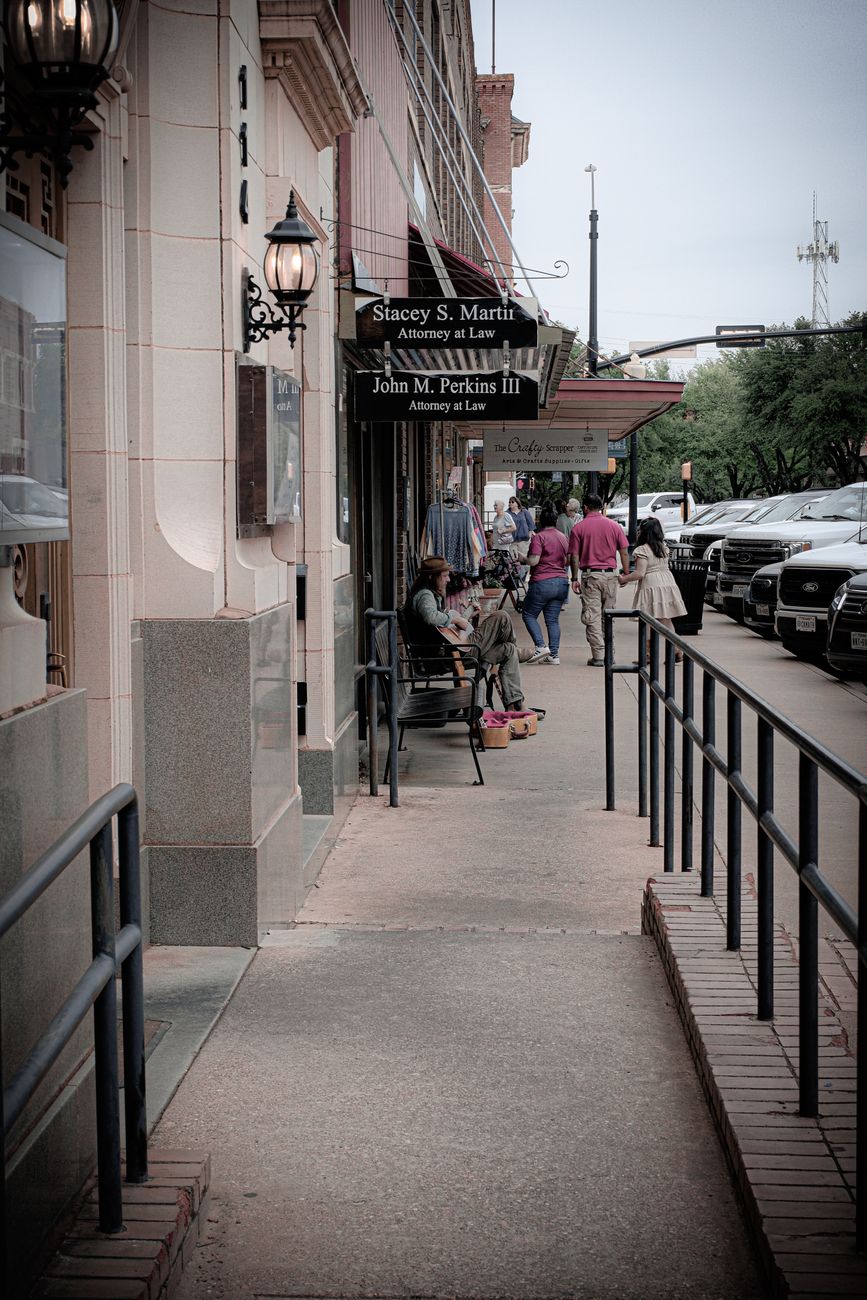
Through the 1980s and 90s, Fredericksburg’s Main Street was a genuinely small-town commercial strip: hardware stores, a handful of German bakeries and restaurants like Der Lindenbaum and the Fredericksburg Bakery, and a slow, tourism-light local economy built more around ranching and peach farming in nearby Stonewall than hospitality. The Hill Country wine industry barely existed. There were a handful of small wineries, and almost nobody outside Texas had heard of Texas wine at all.
The Wine Boom Changed Everything
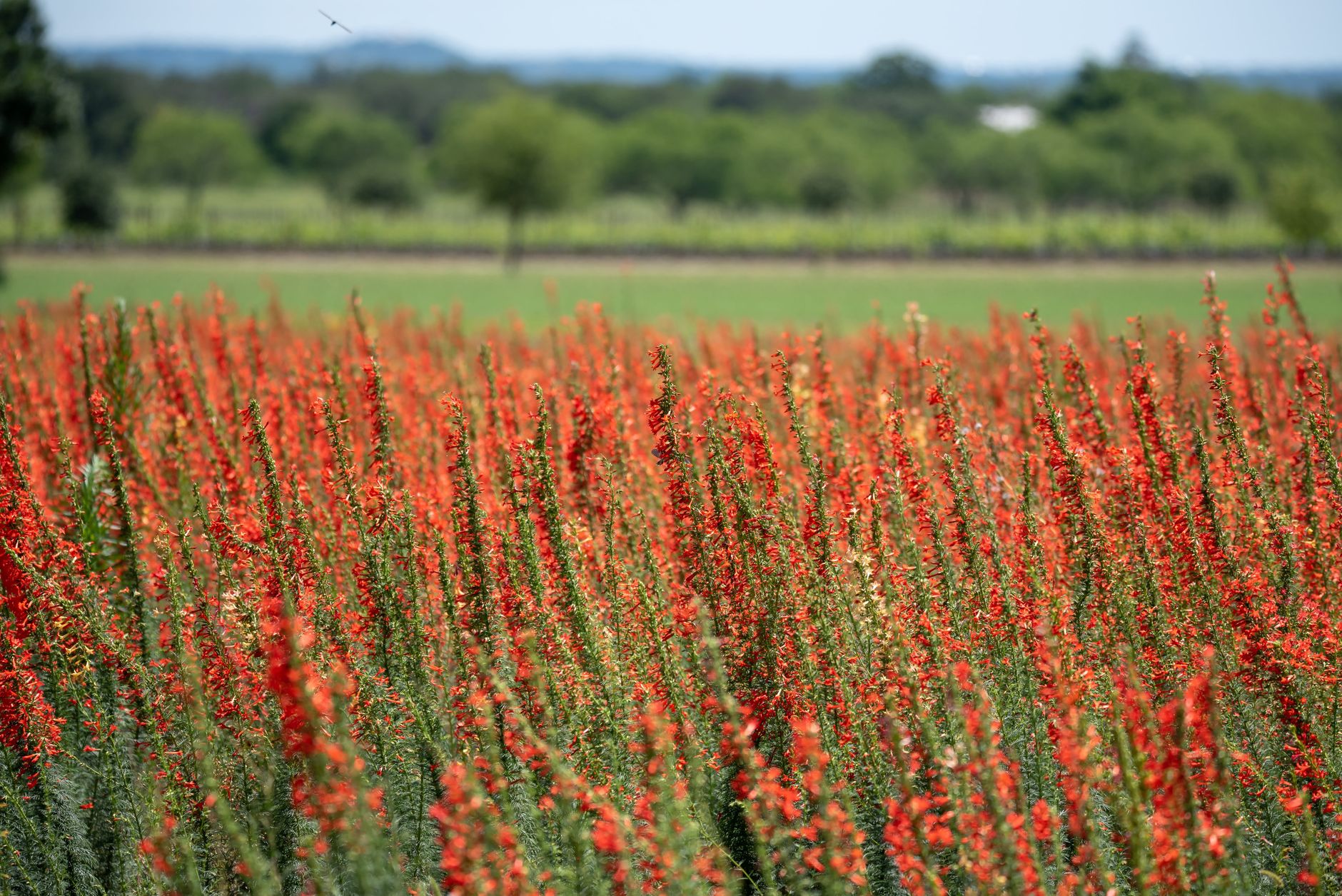
Today, the Highway 290 corridor between Fredericksburg and Johnson City has more than 50 wineries and tasting rooms, enough that locals now call it Texas Wine Road. That growth happened almost entirely in the last 15 to 20 years, driven by Austin’s population boom putting hundreds of thousands of new, disposable-income residents within a 90-minute drive of Hill Country wine country. Weekend wine tours from Austin became a routine bachelorette and birthday circuit, and Fredericksburg became the anchor town for that entire regional wine tourism economy.
The Numbers Behind the Transformation
- Fredericksburg’s population has grown from around 8,900 in 2000 to more than 12,000 today, with tourism visits far exceeding that
- Median home prices in Gillespie County have climbed well past $500,000, compared to under $150,000 in the early 2000s
- Main Street retail has shifted heavily toward boutiques, wine bars, and tourist-facing shops, with fewer of the practical, resident-serving businesses that once anchored downtown
- Weekend traffic on Highway 290 now regularly backs up during peak wine season, something longtime residents say simply did not happen before the 2010s
What Locals Say Got Lost
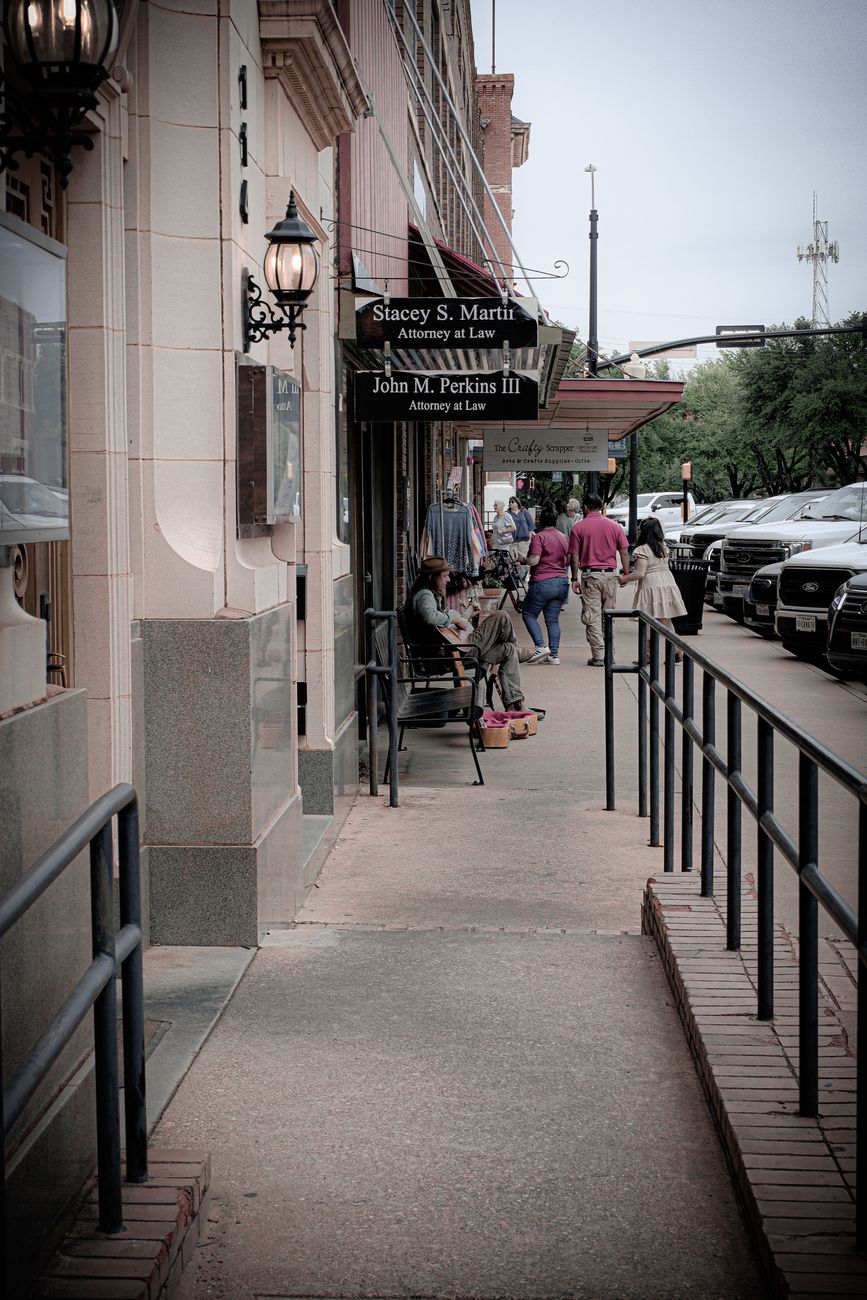
Longtime Fredericksburg residents describe a town that is more prosperous than it has ever been and, for some, less recognizable than it has ever been. The German heritage that gives the town its identity, the limestone Sunday Houses, the Vereins Kirche, the Marktplatz, is still there and still genuinely preserved, but it now shares Main Street with wine bars and boutique hotels catering to an Austin weekend crowd rather than to residents. Family ranch land that sold for a few hundred dollars an acre a generation ago now sells for tens of thousands of dollars an acre to vineyard developers and second-home buyers.
Fredericksburg has not lost its identity the way some boomtowns have. The Christmas markets, the peach stands on Highway 290 near Stonewall, and Oktoberfest still happen every year with real local participation. But the economics underneath the postcard have shifted permanently, and the town that Austin found is not quite the same one that existed before Austin found it.
What Comes Next for Highway 290
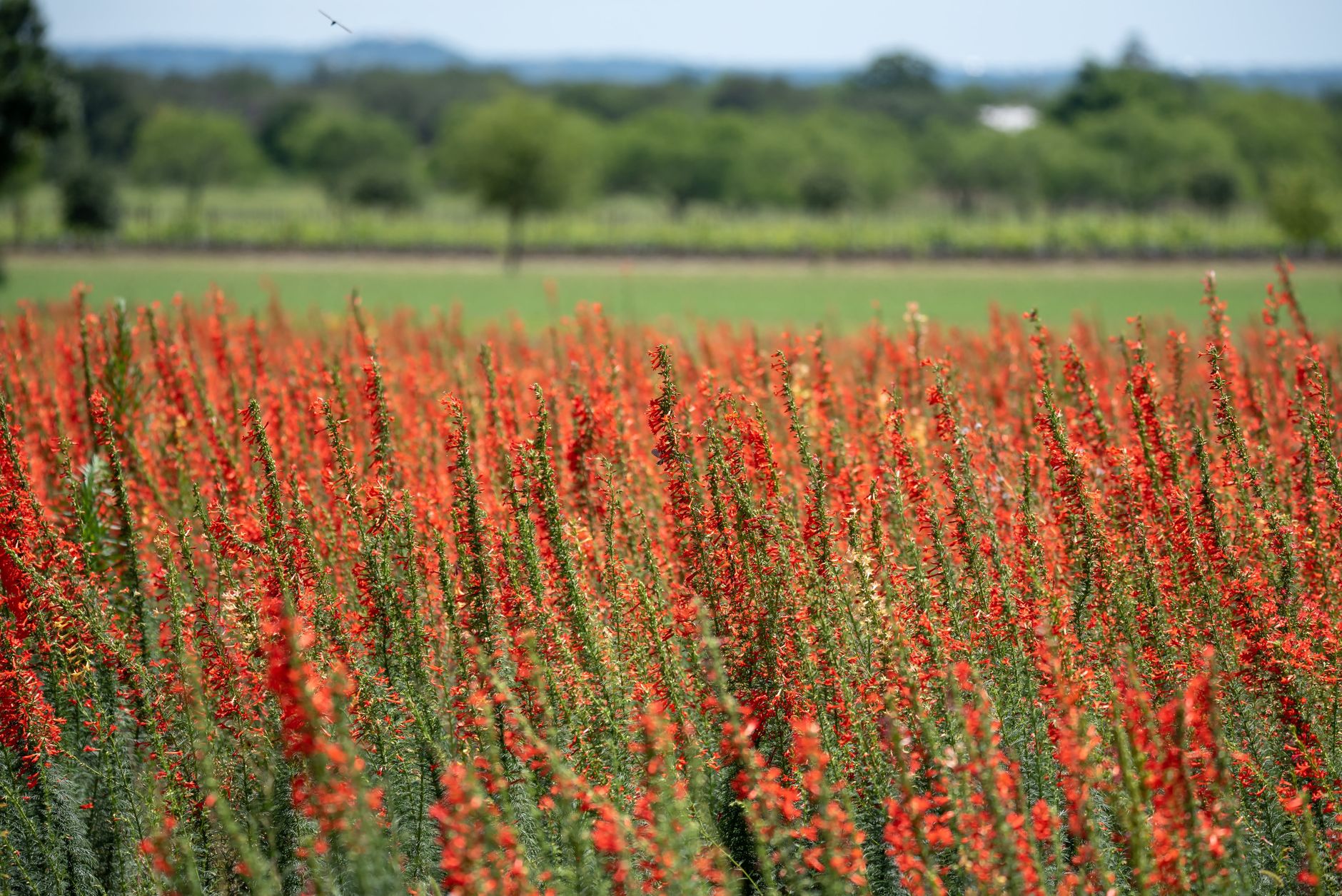
Gillespie County planning officials have fielded a steady stream of new winery and event venue applications in recent years, enough that some Hill Country counties have begun debating stricter zoning and water-use rules specifically aimed at slowing new vineyard and wedding-venue development along the corridor. Water rights are a particularly sensitive issue in a region that depends heavily on the Trinity and Edwards aquifers, and large-scale vineyard irrigation competes directly with ranching and residential water use that predates the wine boom by a century.
Fredericksburg’s own city council has faced recurring debate over short-term rental regulation, mirroring the same tension playing out in Moab and dozens of other tourism-dependent small towns nationally: a local housing stock increasingly converted to nightly rentals for wine tourists, squeezing the same working residents, teachers, and service industry employees who keep the wineries and restaurants staffed in the first place. It is the same story showing up in a very different climate and a very different accent.
What Longtime Ranching Families Think
Multi-generational ranching families in Gillespie County describe a complicated relationship with the wine boom that has transformed their land values. Being able to sell or lease acreage for dramatically more than it was worth a generation ago has been life-changing for some families, funding retirements or paying off debt that ranching income alone never could have covered. But it has also made it functionally impossible for a young person from a ranching family to buy comparable land locally to start their own operation, pricing out the exact agricultural continuity that gave Fredericksburg its identity in the first place.
That tension, older generations benefiting financially from land value increases that make it impossible for younger generations to stay in the same business, shows up across the Hill Country wine corridor and is, in miniature, the same generational wealth-versus-continuity trade-off playing out in tourist boomtowns nationwide.
Fredericksburg’s transformation offers a preview of what happens to dozens of small Hill Country towns still waiting for their own Highway 290 moment, a reminder that regional booms rarely announce themselves before they arrive, and rarely leave a place exactly as they found it.
Travel writers who do eventually cover the Highway 290 corridor tend to compare it, a little reductively, to Napa Valley twenty years ago, before land prices and traffic caught up with Napa’s own popularity. Whether Fredericksburg avoids Napa’s most extreme cost escalation or simply follows the same path a decade behind remains an open question locals debate at every city council meeting about new development.
Longtime Fredericksburg business owners note that the wine tourism boom has, at minimum, kept Main Street’s historic buildings occupied and maintained in a way that many small Texas towns without a comparable tourism draw have not managed, even if the specific businesses occupying those buildings look nothing like what filled them a generation ago.
Fredericksburg’s city planners have also started studying wastewater and infrastructure capacity limits tied to the wine tourism boom, since venues hosting weekend weddings and large tasting events place demands on rural water and sewer systems that were never designed for anything beyond a small farming town’s needs.