Las Vegas Casinos Are Built So You Cannot Tell If It Is 2 P.M. or 2 A.M. That Is Not an Accident.
We may earn money or products from the companies mentioned in this post. This means if you click on the link and purchase the item, I will receive a small commission at no extra cost to you ... you're just helping re-supply our family's travel fund.
Walk onto a Las Vegas casino floor and you will notice, eventually, what is missing: windows, clocks, and any real sense of how much time has passed. This is not an aesthetic accident. It is one of the most studied and deliberate applications of behavioral psychology in commercial design anywhere in the world, developed over decades specifically to keep people gambling, drinking, and spending longer than they planned.
No Windows, No Clocks, No Escape From the Present Moment
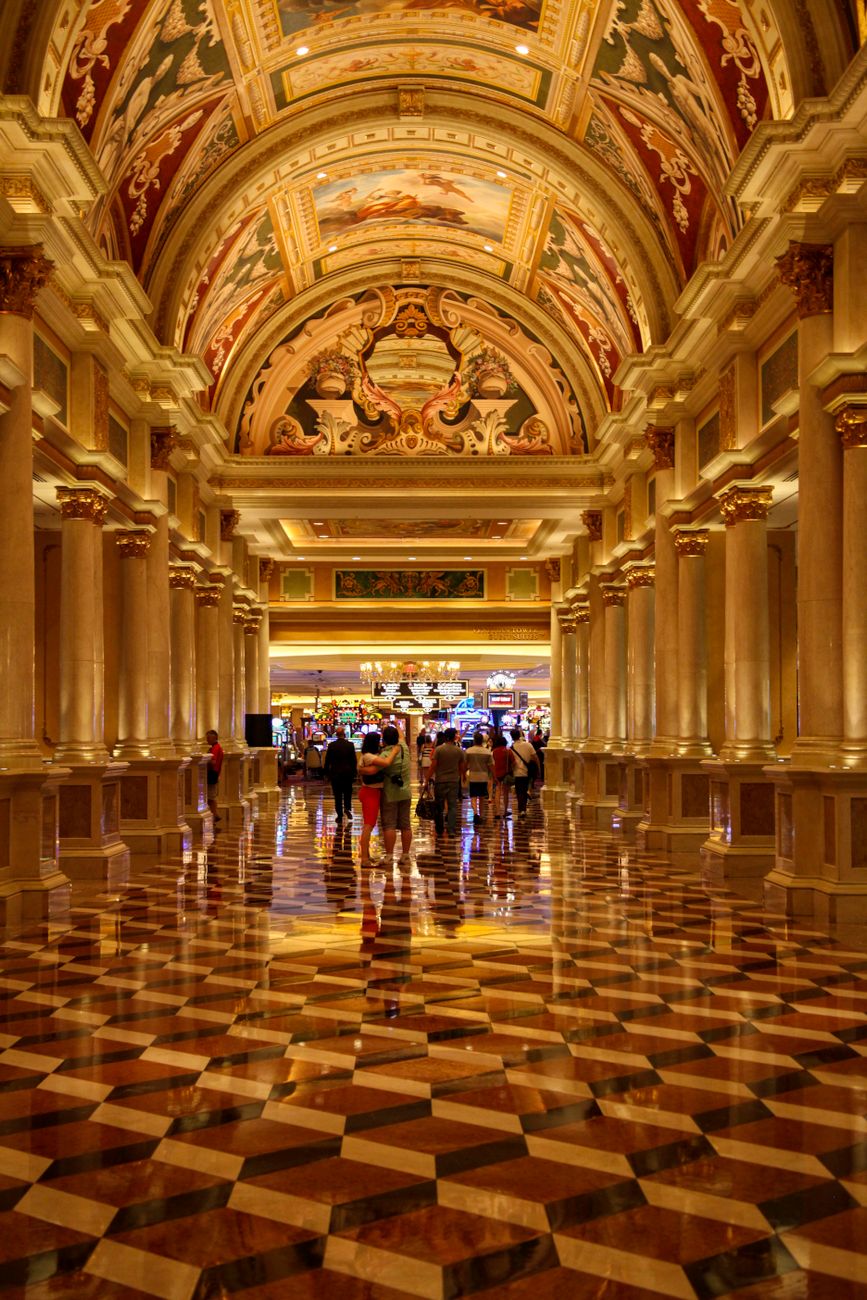
Casino design pioneer Bill Friedman, who consulted on Vegas properties for decades, argued that a casino floor should never let a gambler see natural light or a clock, because both are reminders that time is passing and life exists outside the building. Even in the Bellagio, one of the most architecturally celebrated hotels on the Strip, clocks exist only outside the actual gaming floor, never within reach of a slot machine or blackjack table. This creates what researchers describe as a kind of engineered timelessness, where the ordinary cues people use to self-regulate, noticing it is getting late, deciding it is time to eat, are systematically removed.
The Maze Is Not Bad Design. It Is the Design.
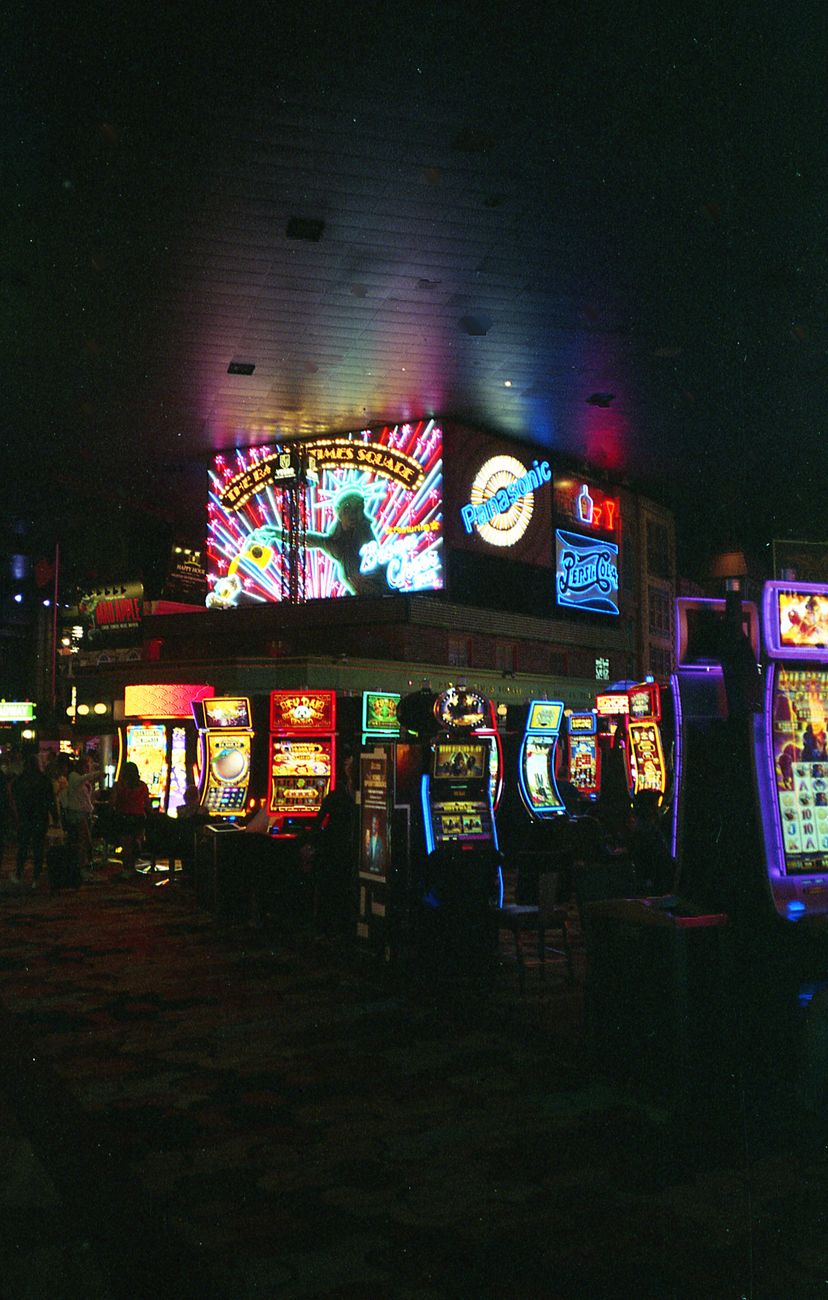
Older Vegas casinos in particular were built with deliberately confusing layouts, low ceilings over gaming areas contrasted with dramatic high ceilings elsewhere, and exits that are almost never near the entrance you walked in through. You are meant to walk past hundreds of slot machines just to get from your hotel room to the parking garage, or from the front door to the restaurant. Every path is engineered to maximize exposure to games, and casino architects have openly discussed positioning restrooms, ATMs, and elevators so that the shortest route between them runs through active gaming areas.
The Sensory Tricks Layered on Top of the Layout
- Ambient temperature is typically kept around 68 to 70 degrees, cool enough to keep gamblers alert and comfortable for extended sessions
- Custom fragrances are pumped through ventilation systems in many properties, associated with elevated mood and longer play sessions in industry research
- Carpet patterns and wall colors are chosen to be visually busy enough to discourage lingering eye contact with the floor, subtly nudging attention back toward the machines and tables
- Free or deeply discounted drinks lower inhibitions and keep players seated rather than getting up to reset their judgment
The Illusion of Control Is the Real Product
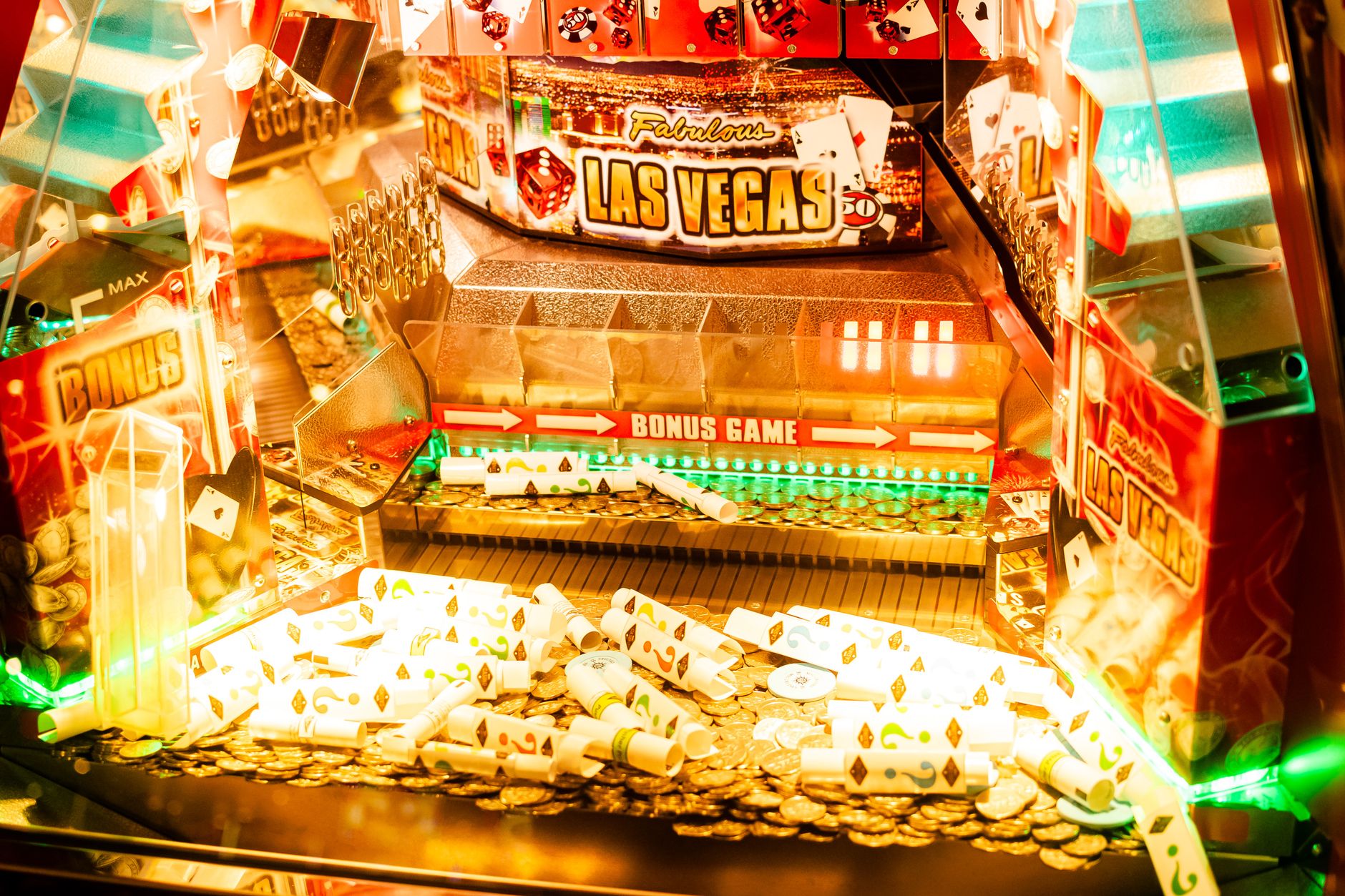
Games like craps and video poker are popular partly because they involve small physical decisions, a roll, a card discard, that create a sense of skill and control even when the underlying odds are fixed against the player. That illusion keeps sessions longer than pure chance games like roulette often do, because players feel like their choices matter even when the house edge is identical either way. Combined with the loss of time cues, the maze-like paths back to any exit, and the steady stream of comped food and drinks, the entire physical environment of a Las Vegas casino is built around a single design goal: extend the amount of time a guest spends in a state of low-friction, low-awareness spending.
None of this is secret exactly, plenty of documentaries and casino design books have covered it, but knowing about it and actually noticing it in real time while you are three drinks in in the Bellagio at what you thought was 9 p.m. and turns out to be nearly 1 a.m. are two very different experiences. The house does not need to cheat the games. The building itself is doing enough of the work already.
The Restaurants That Actually Understand the Design
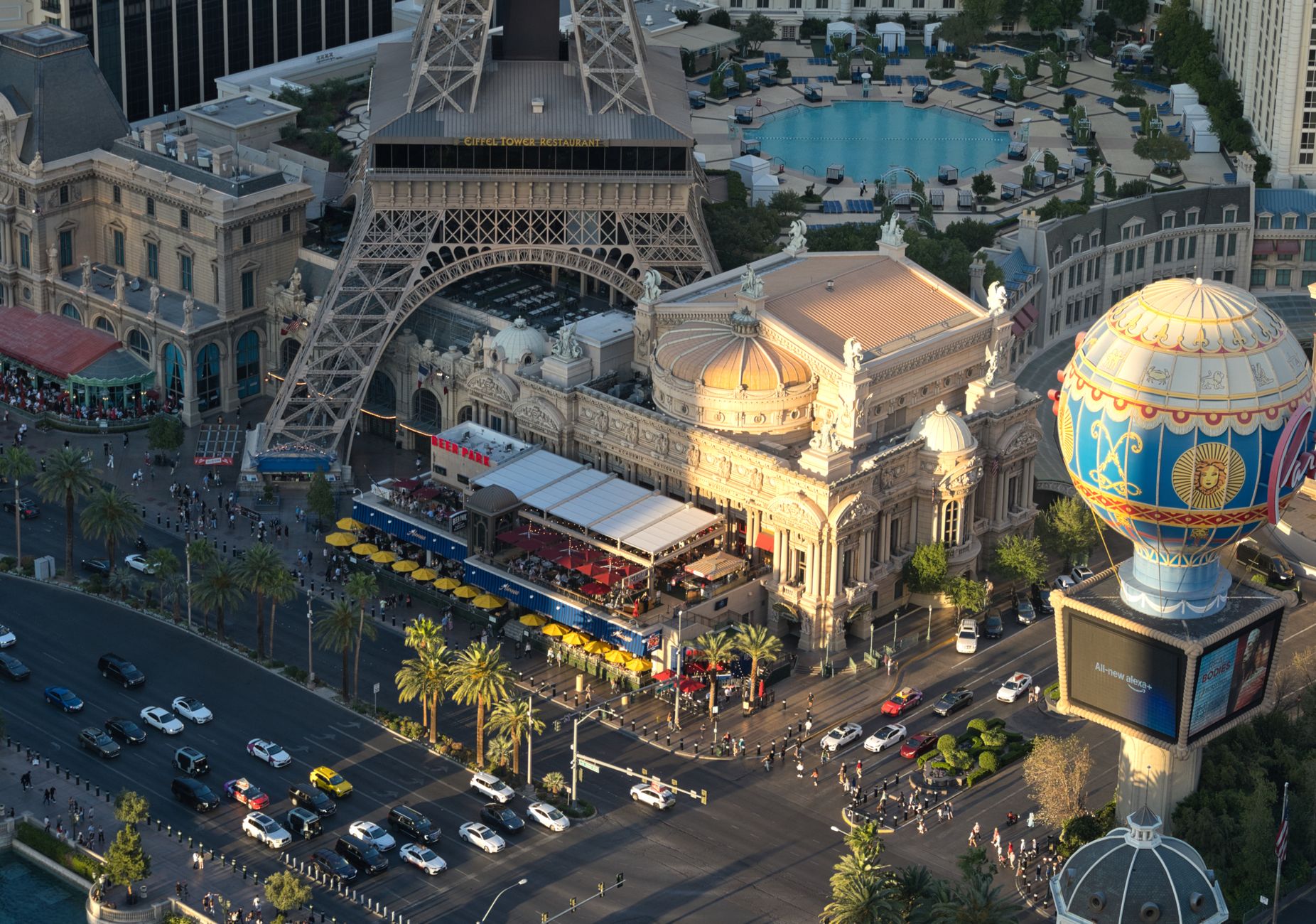
The same timeless-environment principle extends well beyond the gaming floor into Las Vegas dining. Many Strip restaurants are deliberately built without exterior windows or with heavily curtained ones, extending the casino floor’s disorientation into the meal itself. Buffets, historically positioned deep within casino properties, were designed so that reaching food required walking past the maximum possible number of games, turning a basic meal into another lap through the machines.
Even the newer, more design-forward Vegas properties that market themselves on architecture and art, rather than old-school gambling-hall aesthetics, have largely kept the core psychological playbook intact. The chandeliers and blown-glass art installations at newer resorts are gorgeous, and they are also, structurally, just a more expensive version of the same distraction and disorientation strategy that has defined Vegas casino design since the mid-20th century.
What Vegas Insiders Say About the Newer Resorts
Longtime Las Vegas hospitality workers note that even as newer resorts market themselves around art, architecture, and Instagram-worthy design rather than old-school gaming-hall aesthetics, the underlying psychological playbook barely changes. Sphere, the massive spherical entertainment venue that opened on the Strip, and newer luxury towers still rely on the same core principles Friedman documented decades ago: control light, control time cues, and route foot traffic through revenue-generating spaces whenever possible.
What has changed is subtlety. Older Vegas casinos wore their manipulation openly, with garish carpets and low ceilings that felt deliberately disorienting. Newer properties achieve the same effect through genuinely beautiful design that guests do not consciously register as manipulative at all, which arguably makes the modern version more effective, not less, precisely because it does not feel like a trick.
Understanding the mechanics behind the Vegas floor plan does not make it any less effective the next time you walk in, but it does at least explain why you somehow spent four hours and forgot to eat lunch, and that, oddly, is its own small victory.
Whether Las Vegas ever moves away from this playbook seems unlikely given how measurably effective it remains. Casino revenue data consistently shows properties that have modernized their design language while retaining the disorientation principles outperforming any experimental properties that tried a more transparent, clock-and-window-friendly approach, which mostly ended those experiments quickly.
Industry analysts who study casino markets outside Nevada, in places like Atlantic City, Macau, and tribal gaming properties across the US, note that nearly all of them have adopted some version of the Vegas playbook, suggesting these design principles have become close to a universal standard for the entire global gambling industry rather than a Nevada-specific quirk.