Savannah, Georgia Won Every ‘Most Beautiful City’ Award. The People Who Actually Live There Know the Other Side
We may earn money or products from the companies mentioned in this post. This means if you click on the link and purchase the item, I will receive a small commission at no extra cost to you ... you're just helping re-supply our family's travel fund.
Savannah, Georgia is objectively beautiful. The 22 historic squares with their live oak canopies dripping Spanish moss are real. Forsyth Park is real. The cobblestone streets of the Factor’s Walk are real. But Savannah in 2026 is also a city where tourism has become such a dominant economic and social force that the city’s residents experience it in ways that aren’t captured in any travel piece written by someone who visited for a long weekend.
The Tourism Pressure That’s Reshaping Savannah
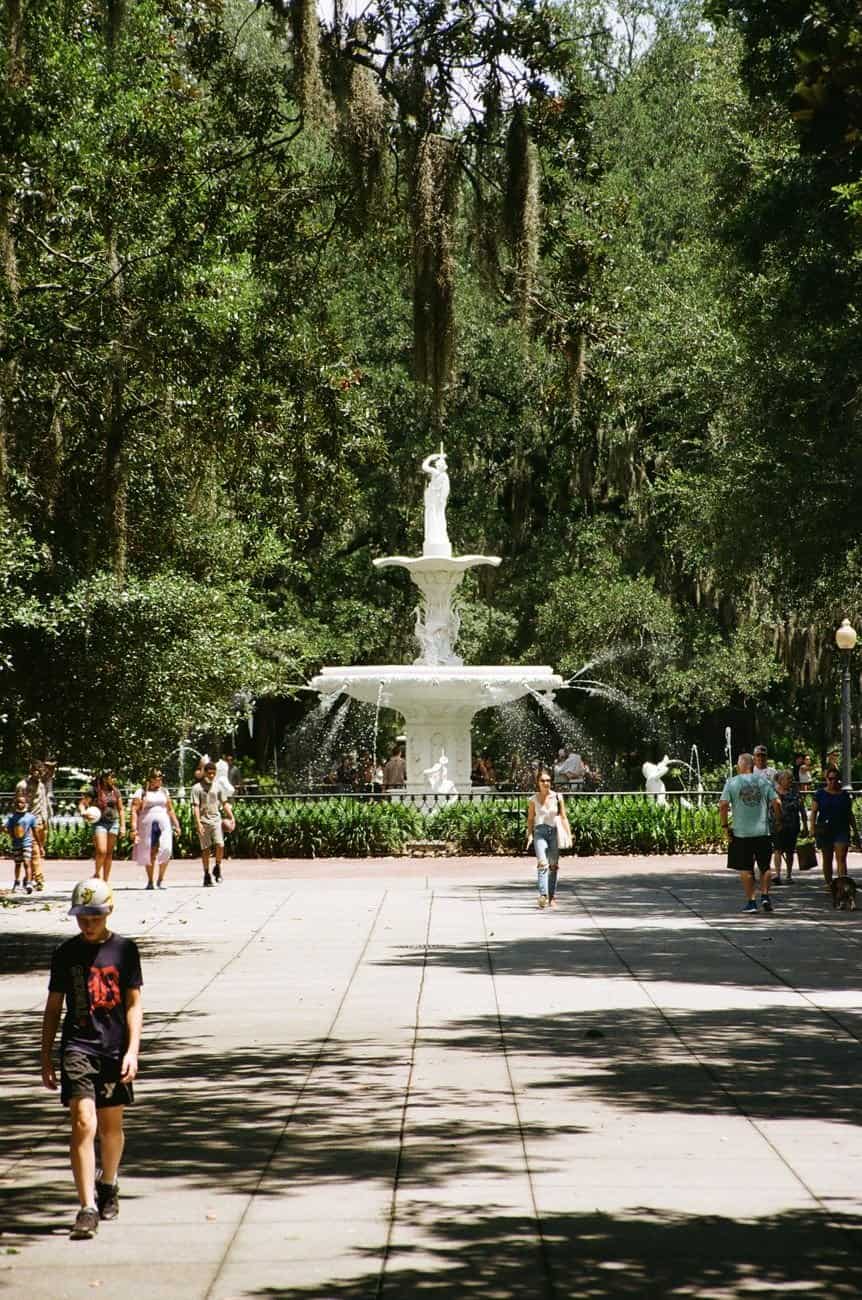
Savannah draws approximately 15 million visitors per year to a city of 145,000 residents. That ratio — more than 100 visitors per resident annually — is extreme even by major tourism city standards. The Historic District, which is a real neighborhood where real people live, has been progressively hollowed out by short-term rentals, boutique hotel conversions, and restaurant/bar concepts targeting visitors rather than residents.
Housing prices in Savannah’s Historic District and adjacent Starland and Victorian districts have risen sharply — median prices in the Historic District now regularly exceed $500,000. Working-class and middle-income residents have been displaced to the southside suburbs, creating a geographic and economic stratification that longtime Savannah residents describe as a genuine loss of the city’s character.
What the Visitor Experience Is Still Getting Right
The physical landscape of Savannah is irreplaceable. The squares, the architecture, the waterfront Riverwalk, and the Savannah College of Art and Design’s presence throughout the Historic District (SCAD students and galleries are woven into the city’s fabric in a way that keeps it culturally active) remain extraordinary. A walking tour of the squares is still one of the best self-guided urban experiences in the American South.
What still makes Savannah worth visiting in 2026:
- Forsyth Park on a morning when the fog lifts: genuinely among the most beautiful park scenes in American cities
- SCAD Museum of Art: free on Sundays, rotating exhibitions, consistently excellent
- Tybee Island (20 minutes east): accessible beach that doesn’t require the Savannah hotel price premium
- The restaurants on Broughton Street and in the Starland District: still high-quality and worth the price
What a Savannah Trip Costs in 2026
Accommodation:
- Historic District boutique inn or B&B: $220–$380/night
- Standard hotel near Forsyth Park: $175–$250/night
- Budget option: mid-range hotel on the outskirts, 10-minute drive: $100–$140/night
Dining:
- Nice dinner for two in the Historic District: $85–$140
- Lunch at a mid-tier restaurant: $20–$30 per person
- Walking tours of the squares: $25–$40 per person for guided tours; self-guided is free
Visit Savannah in fall (October through early December) or in February through March — before the spring break surge and after the summer heat. Avoid St. Patrick’s Day weekend, which is Savannah’s single most crowded event and roughly doubles accommodation prices. The Savannah you want to experience is the one visible at 7 AM on a Tuesday in October, when the squares are quiet, the oaks are in full canopy, and the city shows itself without the performance the tourism economy requires of it on weekend afternoons.
Savannah in the Shoulder Season
Savannah’s tourism peaks twice: during St. Patrick’s Day (the largest St. Patrick’s Day celebration in the United States after New York, drawing 400,000 visitors to a city of 147,000) and during fall weekends when the Georgia football calendar drives travel. The weeks immediately surrounding those events offer the city’s worst hotel prices and most crowded conditions. The shoulder season — November through February, and May before Memorial Day — provides the city at its most accessible and most atmospheric.
The Spanish moss that drapes every live oak in Savannah’s squares looks different in the low winter light than in the summer tourist photography — more dramatic, more gothic, more deserving of the atmospheric reputation. January and February in Savannah have highs in the 55–65°F range, which is comfortable for the walking tour approach that the squares reward. The Forsyth Park fountain at dusk in February, with fog off the Savannah River and no crowds on the benches, is a different Savannah than the July version — and arguably the one that justifies the city’s literary and atmospheric reputation rather than just illustrating it.