Americans Keep Getting Denied Entry at Foreign Borders — Here’s the Exact Paperwork That’s Getting Them Turned Away
We may earn money or products from the companies mentioned in this post. This means if you click on the link and purchase the item, I will receive a small commission at no extra cost to you ... you're just helping re-supply our family's travel fund.
Getting pulled from the immigration line and sent back to the United States happens to Americans more often than most people realize — and in 2026, the specific triggers have shifted. New documentation requirements, newly enforced entry rules, and changes in several countries’ policies toward American travelers have created a set of traps that are entirely avoidable if you know they exist.
The Most Common Reason Americans Get Denied Entry Right Now
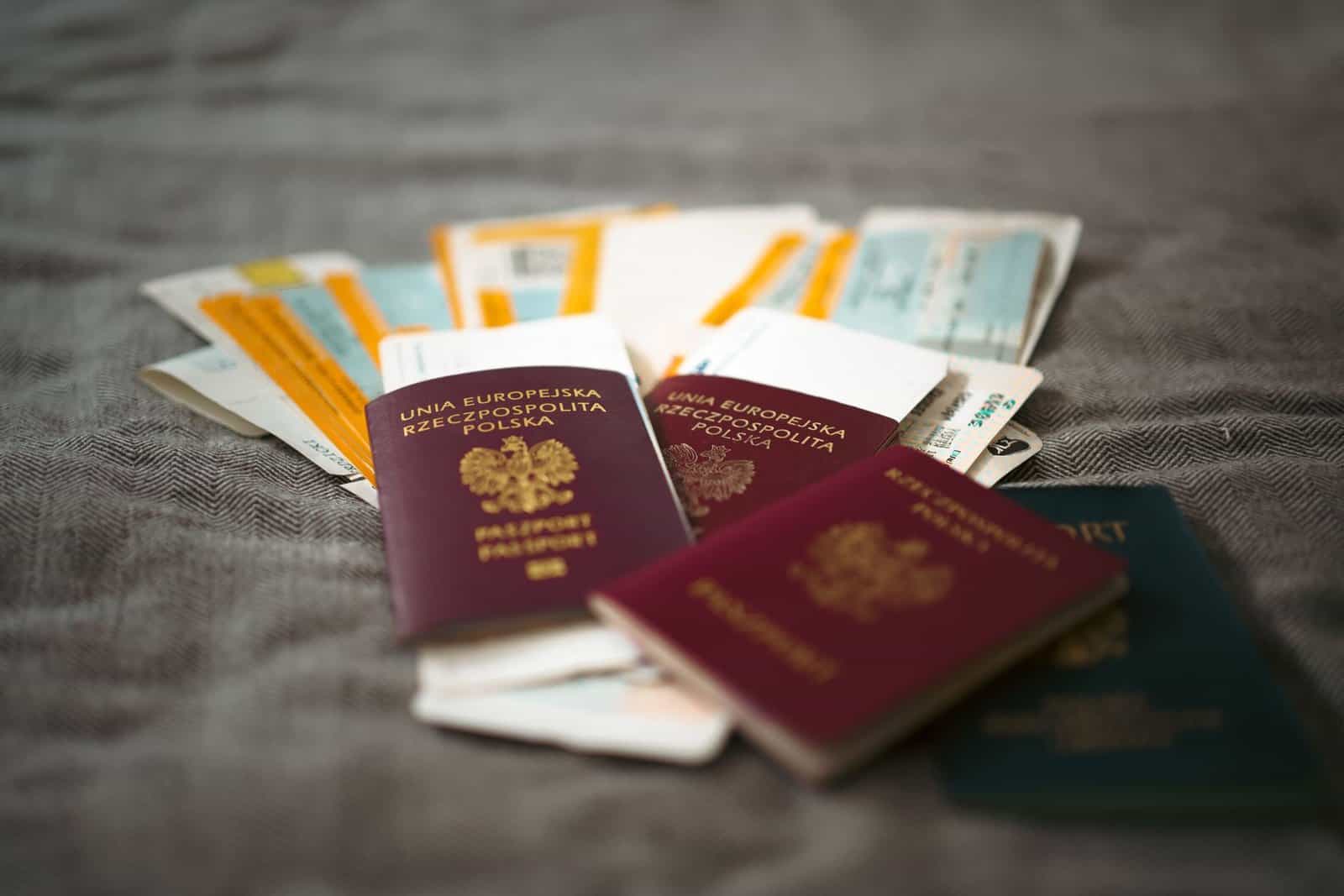
1. Passport validity shorter than the country’s requirement
Most countries require your passport to be valid for at least 6 months beyond your planned departure date, not just your arrival date. The US government and most airlines enforce the actual departure date restriction, but airlines also sometimes miss it. Travelers arrive at a foreign airport with 4 months remaining on their passport, thinking they’re fine because they checked expiration vs. trip date — and get turned around. The 6-month rule applies to most of Europe, Southeast Asia, the Middle East, and Latin America.
2. Missing onward travel documentation
Many countries require proof of onward travel — a flight booking showing you’re leaving — before allowing visa-free entry. A US citizen arriving in Thailand, Colombia, or Costa Rica on a tourist entry who doesn’t have a printed or digital return or onward flight may be denied boarding at the origin airport or entry at the destination. Budget travelers who buy one-way tickets and figure it out as they go increasingly get caught by this requirement.
3. Traveling on a passport damaged beyond acceptable standards
Passports with water damage, pages that are significantly bent or torn, covers that have separated, or chips that aren’t scanning correctly can be rejected. US CBP defines a “mutilated” passport as one that is damaged to the extent that it is unacceptable for travel purposes. Countries make their own determinations, and some are stricter than US standards. A passport that’s been through the washing machine may technically still be valid but gets scrutiny at international borders that domestic travel doesn’t reveal.
4. ETIAS (European Travel Information and Authorization System)
As of 2026, Americans visiting the EU/Schengen Area need to obtain ETIAS authorization before arriving — a pre-travel online application analogous to Australia’s ETA or the US ESTA for foreign visitors. ETIAS launched its phased rollout and the requirement is now being enforced at entry. Americans who show up without ETIAS authorization are being denied boarding at origin airports. The application costs €7 and takes minutes online — but it has to be done before departure.
5. Criminal records and their disclosure requirements
Canada requires visa applications for Americans with certain criminal records, including DUIs that would be considered felonies under Canadian standards. Australia’s tourist visa application asks specifically about criminal convictions. The UK Border Force has increased scrutiny of arriving passengers with prior criminal records. Americans who’ve had DUI convictions, drug offenses, or other charges sometimes don’t know their record creates an entry barrier in specific countries — until they’re denied at the airport.
How to Prevent Every One of These
Before every international trip:
- Check your passport expiration against the 6-month rule for your destination — not just trip dates
- Verify entry requirements at travel.state.gov for every country you’re entering, including transit countries
- Apply for ETIAS if visiting any Schengen country — allows multiple visits for 3 years
- Have proof of onward travel (even a refundable booking) for every first entry on a tourist visa
- If you have any criminal record, research that specific country’s entry requirements in detail — not just the general tourist info
Every one of these denial categories is entirely avoidable with 30 minutes of pre-trip research. The travelers who get turned away at borders were almost never doing something intentionally wrong — they simply didn’t know the requirement existed or assumed it didn’t apply to Americans. In 2026, those assumptions have become more expensive than ever to make.
Americans Denied Entry — The Common Patterns
US citizens denied entry at foreign borders share a pattern of circumstances that are more preventable than they appear. The most common reason is one-way ticket booking — many countries require evidence of onward travel before admitting visitors, and a one-way ticket without a return or onward booking triggers secondary inspection that often results in denial. Booking a refundable onward ticket that can be canceled after entry, or carrying evidence of a flexible itinerary, typically resolves the one-way ticket concern.
The second most common reason for US citizen denial abroad is insufficient funds: some countries require evidence of a minimum daily budget (often $50–$100/day) before admitting tourists. Bank statements, credit card records, or cash are the standard acceptable evidence. The third reason is prior criminal history — several countries, most notably Canada, have strict rules about admitting visitors with criminal records even for minor or historical offenses. The Canada entry restriction for DUI convictions (even 20-year-old ones) catches US visitors by surprise more than any other single entry restriction.