Rapid City, South Dakota Is the Base Camp for 4 National Parks. Here’s Why More People Should Be Using It That Way
We may earn money or products from the companies mentioned in this post. This means if you click on the link and purchase the item, I will receive a small commission at no extra cost to you ... you're just helping re-supply our family's travel fund.
Most travelers to the Black Hills pick a place and stay there, making day trips from wherever they booked. Rapid City, South Dakota offers something better — a reasonably priced, fully equipped city base within two hours of four national parks, plus Custer State Park and Devils Tower across the Wyoming border. If you’re spending five or more days exploring this corner of the country, Rapid City is the logistics decision that makes everything else easier.
What’s Within 2 Hours of Rapid City
National Parks and monuments within easy day-trip distance:
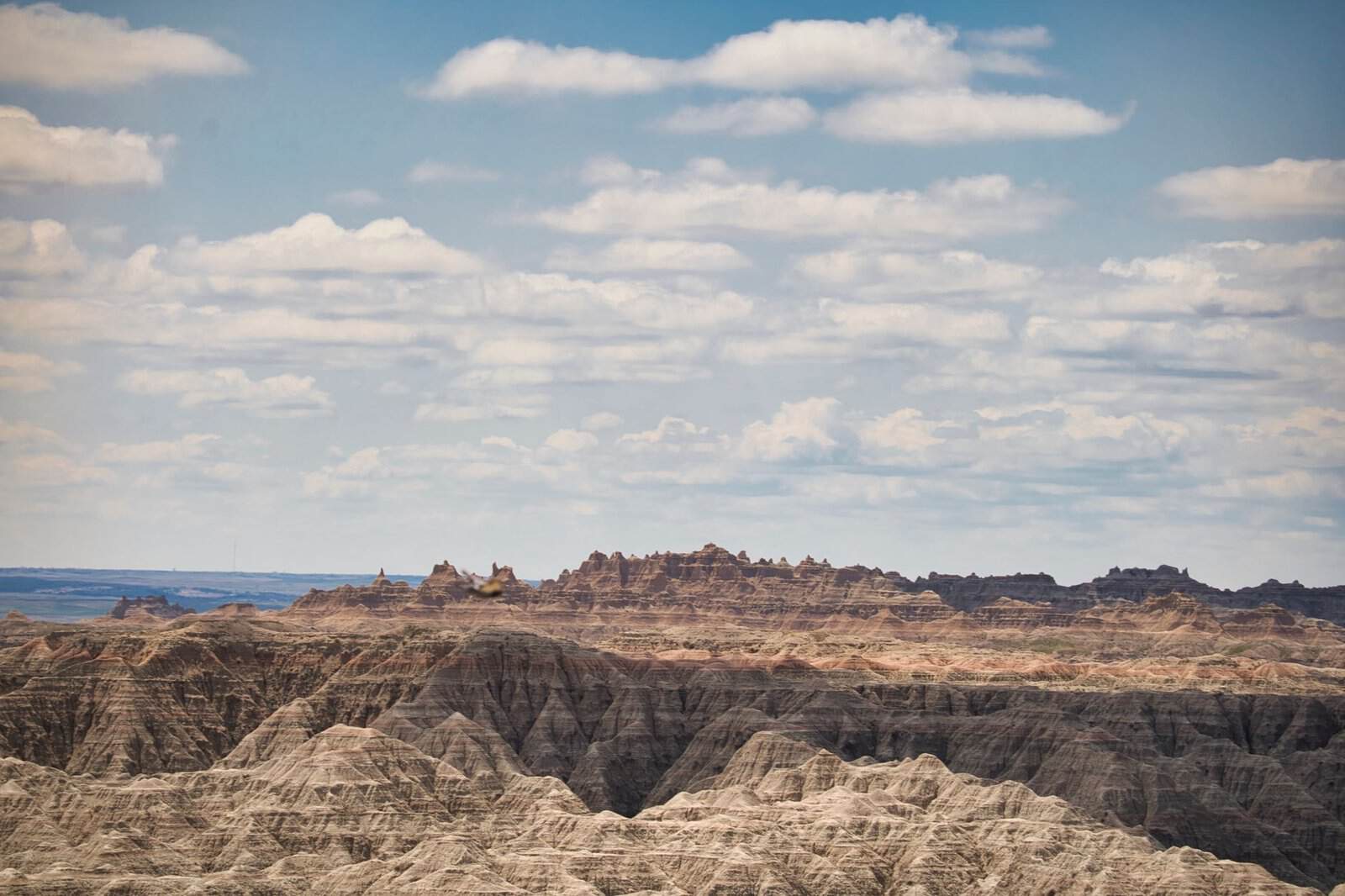
- Badlands National Park: 75 miles east, 1.5 hours. The surreal eroded landscape is best in the golden hour before sunset or just after sunrise when the light hits the formations.
- Mount Rushmore National Memorial: 25 miles southwest, 35 minutes. $10/vehicle parking fee; the monument itself is free.
- Wind Cave National Park: 55 miles south, 1 hour. One of the most complex cave systems in the world — the boxwork formations are found almost nowhere else on Earth. Cave tours required, book in advance.
- Jewel Cave National Monument: 75 miles southwest, 1.5 hours. Third-longest known cave in the world; guided tours required.
- Custer State Park: 50 miles south, 50 minutes. Wildlife loop with free-ranging bison herds, pronghorn, and burros that will literally block your car. Wildlife Drive is one of the best accessible wildlife experiences in the US.
- Devils Tower National Monument (Wyoming): 110 miles northeast, 2 hours. Worth the drive for a half-day visit.
What a Week-Long Black Hills Trip Costs Using Rapid City as Base
Accommodation (6 nights):
- Mid-range hotel in Rapid City: $110–$160/night average outside peak summer
- Versus Custer or Keystone (near Rushmore): $170–$240/night for comparable quality
- Saving by staying in Rapid City: $350–$500 for a week vs. the tourist corridor
Park fees:
- America the Beautiful annual pass: $80, covers entrance fees at all four national parks plus Devils Tower
- Without the pass: Badlands $35/vehicle + Wind Cave tours $20/person + Jewel Cave tours $16–$30/person
- Mount Rushmore parking: $10/vehicle (no entrance fee for the monument)
Rapid City Itself: Worth an Evening or Two
Rapid City has a legitimate downtown that surprises travelers who expect a pure transit hub. The dining corridor on Main Street has genuine quality, anchored by several restaurants that have built real reputations. The City of Presidents outdoor sculpture project — life-size bronze statues of each US president placed on downtown street corners — is a quirky attraction that takes 20 minutes to walk and results in a surprisingly entertaining tour of the presidency organized geographically.
The Museum of Geology on the South Dakota School of Mines campus has one of the best fossil collections in the region, including T. rex specimens from the Badlands — free admission, and substantively better than what you’d expect from a university museum in a city of 80,000. For anyone building a Black Hills itinerary, two evenings spent in Rapid City rather than driving back to the tourist corridor is time and money well used.
Rapid City as a National Park Base — The Logistics
Rapid City’s position makes it more practical as a national park base than most visitors realize. Mount Rushmore is 25 miles southwest. The Badlands are 60 miles east. Custer State Park is 45 miles south. Wind Cave is 55 miles south. Crazy Horse Memorial is 40 miles south. A 5-day base-camp trip from Rapid City can cover all of these destinations without moving accommodation. The alternatives — staying in the Badlands (limited accommodation, no services), Keystone adjacent to Rushmore (tourist-trap prices), or Hill City (small hotel selection) — all involve more driving or more inconvenience than Rapid City’s mid-point location.
Rapid City’s airport (RAP) has direct flights from Denver, Dallas, Minneapolis, Chicago, and Phoenix, making it accessible without a connection from most major US hubs in summer. The airport expansion in 2022 increased capacity and added carriers, and summer seat availability has improved. The practical entry strategy for the Black Hills region — fly into Rapid City, rent a car, use Rapid City as the base — is more efficient than driving in from Sioux Falls (4 hours east) or flying into Denver and driving north. The hotel quality in Rapid City has improved with the tourism investment of the past decade; properties that are 2.5 miles from downtown provide good value at $110–$160/night.