Havre, Montana Never Became the Next Whitefish. Talk to Anyone Who Lives There and That’s the Whole Point
We may earn money or products from the companies mentioned in this post. This means if you click on the link and purchase the item, I will receive a small commission at no extra cost to you ... you're just helping re-supply our family's travel fund.
Havre, Montana has about 9,300 people, a Burlington Northern Santa Fe rail yard that’s employed generations of families, and almost no chance of ever appearing on a “best mountain towns” list. Neither does Glasgow, population around 3,200, out in the Hi-Line country near Fort Peck Reservoir. Neither does Miles City, the old cattle-shipping hub on the Yellowstone River in eastern Montana. These towns sit in the flat, wind-scoured eastern two-thirds of the state that most visitors never see, because Montana’s tourism identity — Whitefish, Glacier National Park, Bozeman, the mountains — is almost entirely concentrated in the western third.
Why the geography split Montana in two
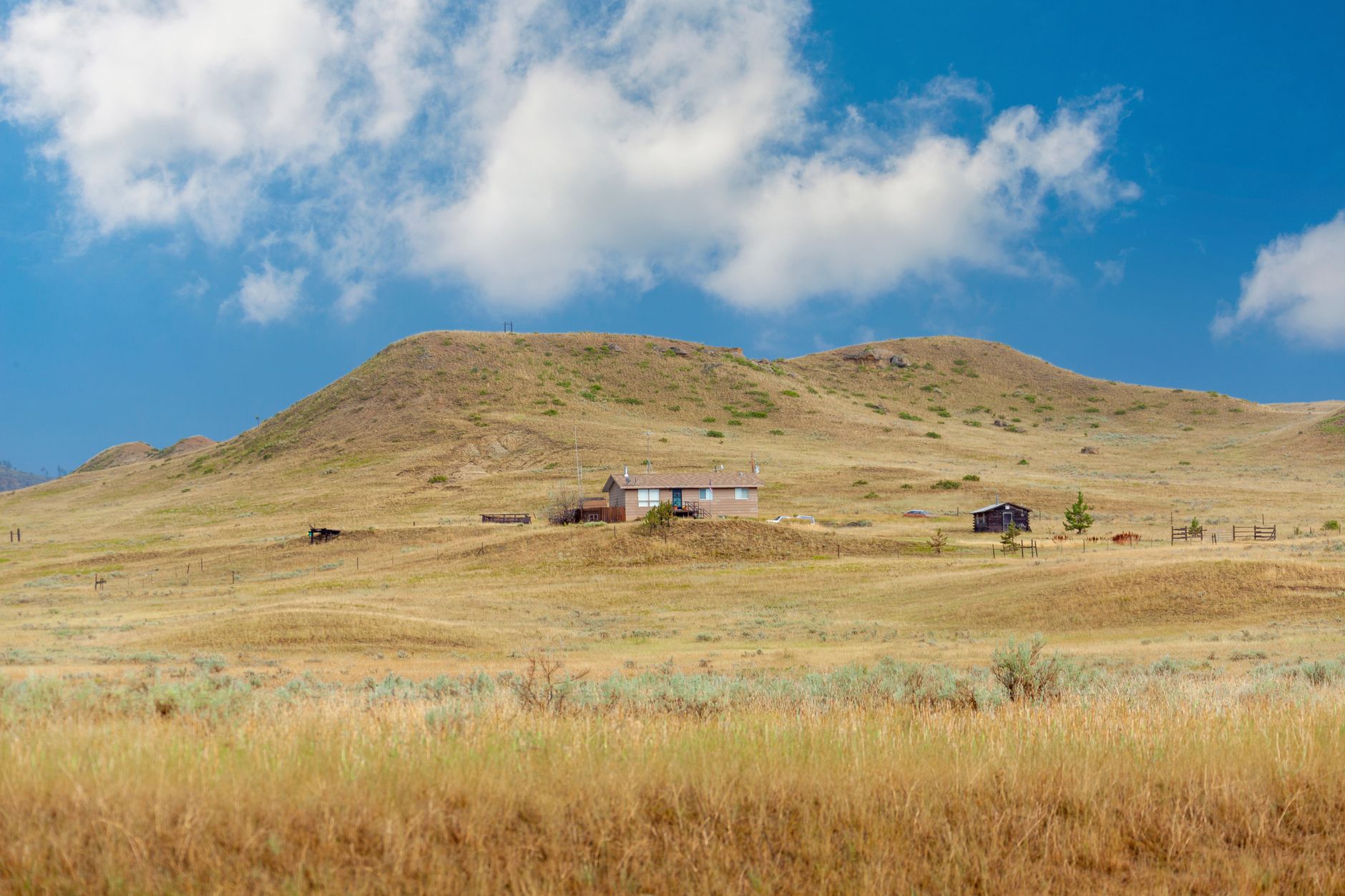
Western Montana has the Rocky Mountain Front, Glacier National Park, and ski resorts that draw wealthy buyers from California and Texas. Eastern Montana has wheat, cattle, oil and gas extraction around the Bakken formation, and a landscape that’s genuinely beautiful in a way that doesn’t photograph the same as jagged peaks — rolling prairie, badlands, big open sky. Whitefish’s median home price has climbed well past $700,000 in recent years as it absorbed remote workers and second-home buyers escaping denser, pricier states. Havre’s median home price sits in a completely different universe, generally under $200,000, because there’s no equivalent wave of buyers looking for prairie property near a rail yard.
That gap isn’t an accident of marketing — it’s a direct function of what people are actually looking for when they relocate for lifestyle reasons. Mountains, lakes, and ski access have a broad, almost universal appeal. Wheat country and rail yards do not, no matter how genuinely pleasant the actual towns are to live in.
What staying “undiscovered” actually protects
Ask residents of Havre or Glasgow whether they wish their town were the next Whitefish, and the honest answer from most longtime locals is no. Whitefish’s transformation brought money but also a housing crisis severe enough that the school district and hospital system there have publicly struggled to recruit workers who can’t afford to live in the town they’d be serving — the same dynamic playing out in Key West, Scottsdale, and dozens of other tourism-dependent towns nationally. Havre’s rail yard jobs, its agricultural economy, and its role as a genuine regional hub for the Hi-Line (it has the region’s hospital and is home to Montana State University-Northern) give it an economic base that doesn’t evaporate with a bad snow year or a tourism downturn, and it never faced the second-home buyout that hollowed out housing stock in mountain towns.
What’s actually there
- Havre’s Wahkpa Chu’gn Buffalo Jump, an archaeological site used by Plains tribes for roughly 2,000 years
- Glasgow’s proximity to Fort Peck Dam, one of the largest hydraulically filled dams in the world, with a reservoir stretching 134 miles
- Miles City’s annual Bucking Horse Sale, a rodeo and horse auction that’s run for decades and draws visitors from across the region
- Genuinely dark skies across all three towns, far from the light pollution that’s crept into western Montana’s growing towns
The trade nobody in eastern Montana asked for but got anyway
What the Hi-Line actually looks like day to day
U.S. Highway 2, known locally as the Hi-Line, runs along the old Great Northern Railway route across the top of Montana, connecting Havre, Glasgow, and a string of smaller towns strung out at intervals that made sense for steam-era rail logistics a century ago and still shape the region’s town spacing today. The distances between towns are genuinely vast — it’s not unusual to drive 40 or 50 miles between fuel stops — and the landscape alternates between wheat fields, cattle ranches, and the occasional dramatic break where a river has cut into the prairie, like the Milk River valley near Havre itself.
These towns have faced genuine population challenges over recent decades as agricultural consolidation reduced the number of family farms needed to work the same acreage, and young people have left for Bozeman, Missoula, or out of state entirely at rates that worry local economic development officials. But the towns that remain tend to have a stronger sense of civic continuity than boomtowns experiencing rapid change — multi-generational businesses, school systems that know every family, and a slower rhythm that residents who’ve tried city life elsewhere often cite as the reason they came back.
There’s also a practical travel argument for these towns beyond the affordability comparison: they sit along genuinely scenic, little-driven routes, and Highway 2 across the Hi-Line offers a version of Montana that most visitors, funneling toward Glacier or Yellowstone on the interstate, never see at all. The traffic is minimal, gas stations are spaced widely enough that a full tank matters, and towns like Havre offer a specific, unpolished version of small-town Montana hospitality that hasn’t been shaped by decades of tourism marketing the way Whitefish’s downtown increasingly has.
Weather adds its own layer of authenticity to a Hi-Line visit that mountain-town tourism rarely has to contend with — winters here are brutally cold with wind chill regularly dropping well below zero, and summers can swing into the 90s with almost no humidity, extremes that shape a genuinely different relationship with the land than the more moderate mountain climate found in Whitefish or Bozeman.
None of this is really a choice these towns made. Havre didn’t decide to stay affordable any more than Whitefish decided to become expensive — geography and scenery made the decision for both of them. But the result is a genuine divergence in what life looks like across a single state: one Montana where median incomes can’t keep pace with home prices driven by out-of-state demand, and another Montana where the economy is smaller and slower-growing but the relationship between local wages and local housing costs never broke. Which version is “better” depends entirely on whether you’re selling a house or trying to buy one — and increasingly, on which side of the state you were born on.