Every Travel Influencer Photo You’ve Ever Seen Was Taken Between 6 and 8 AM. Nobody Tells You That Part
We may earn money or products from the companies mentioned in this post. This means if you click on the link and purchase the item, I will receive a small commission at no extra cost to you ... you're just helping re-supply our family's travel fund.
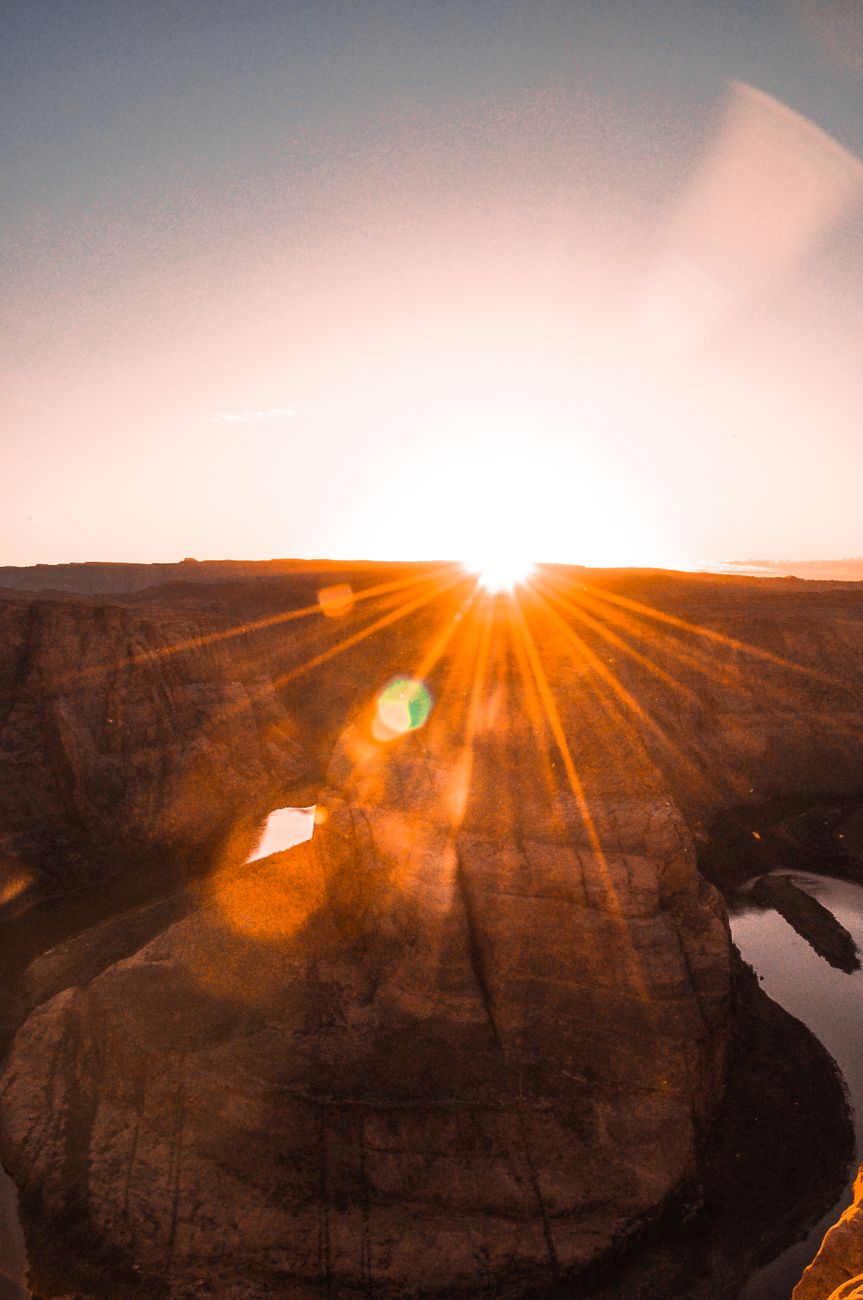
The empty infinity pool, the deserted temple courtyard, the beach with nobody else on it — almost none of these photos represent what that location looks like at a normal hour. They represent what it looks like during the roughly ninety-minute window around sunrise when professional and semi-professional travel photographers show up before everyone else, shoot for the light, and leave before the tour buses arrive. This isn’t a conspiracy. It’s just an unstated rule of the genre that creates a systematically false impression of what visiting these places is actually like.
The specific lies, one at a time
The “hidden gem” claim is the most common and least true. If an influencer with 200,000 followers is calling a beach or restaurant a hidden gem, it has already been visited by a meaningful fraction of those followers, which by definition means it isn’t hidden anymore, if it ever was. Angkor Wat, Bali’s Tegalalang rice terraces, Iceland’s Diamond Beach — all were “discovered” by influencers roughly a decade ago and have been thoroughly not-hidden ever since, with infrastructure, ticket lines, and crowd-control barriers to match.
The cost framing is the second lie, usually unintentional. An influencer showing a $40-a-night bungalow rarely mentions the $1,500 flight required to get there, the $60-a-day scooter and gear rental, or the fact that they received the accommodation for free or at a steep discount in exchange for posting about it. The number that gets remembered is the cheap one, and it becomes the mental anchor for what the destination “should” cost, even though it represents a small fraction of the real trip budget.
The editing choices nobody discusses
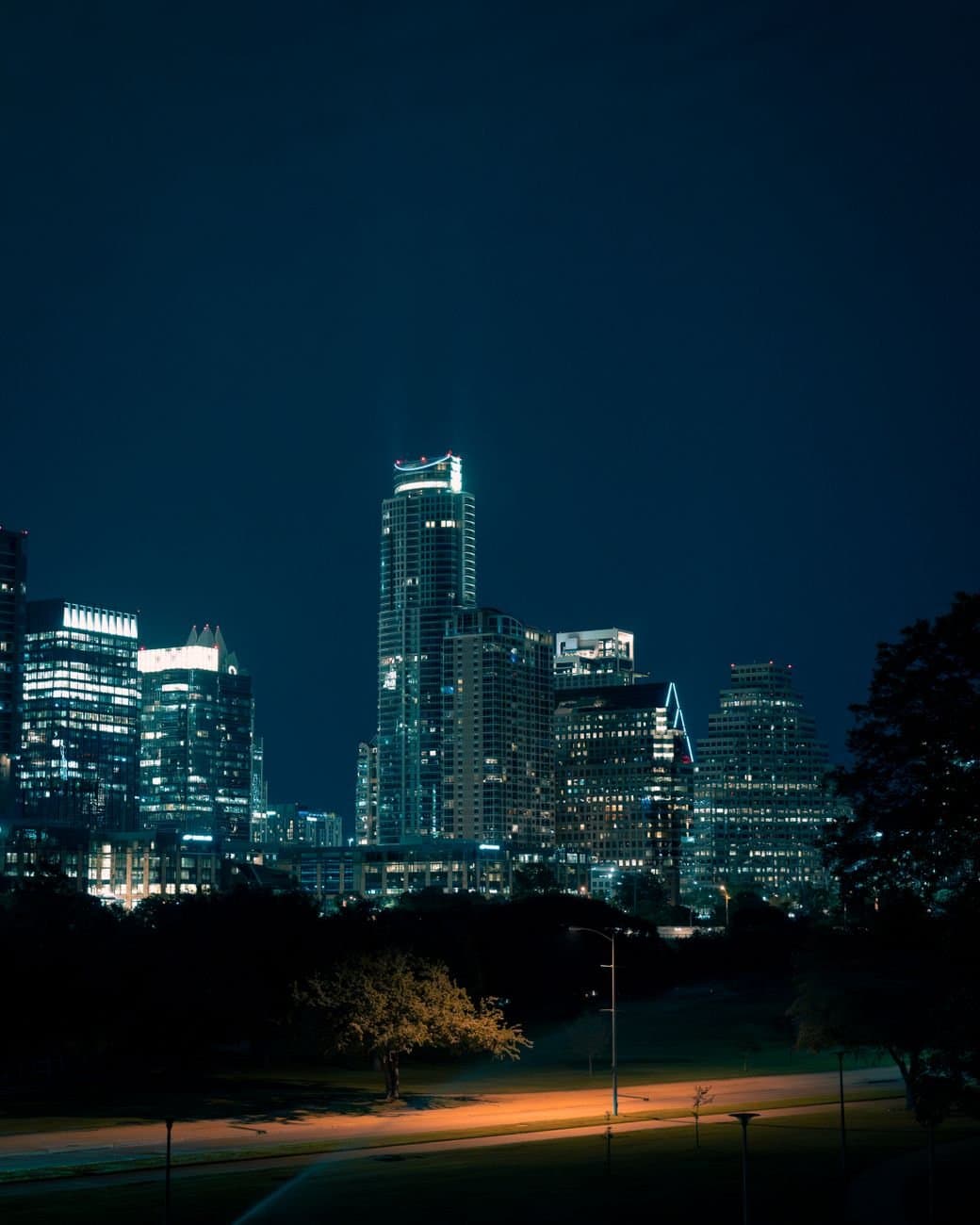
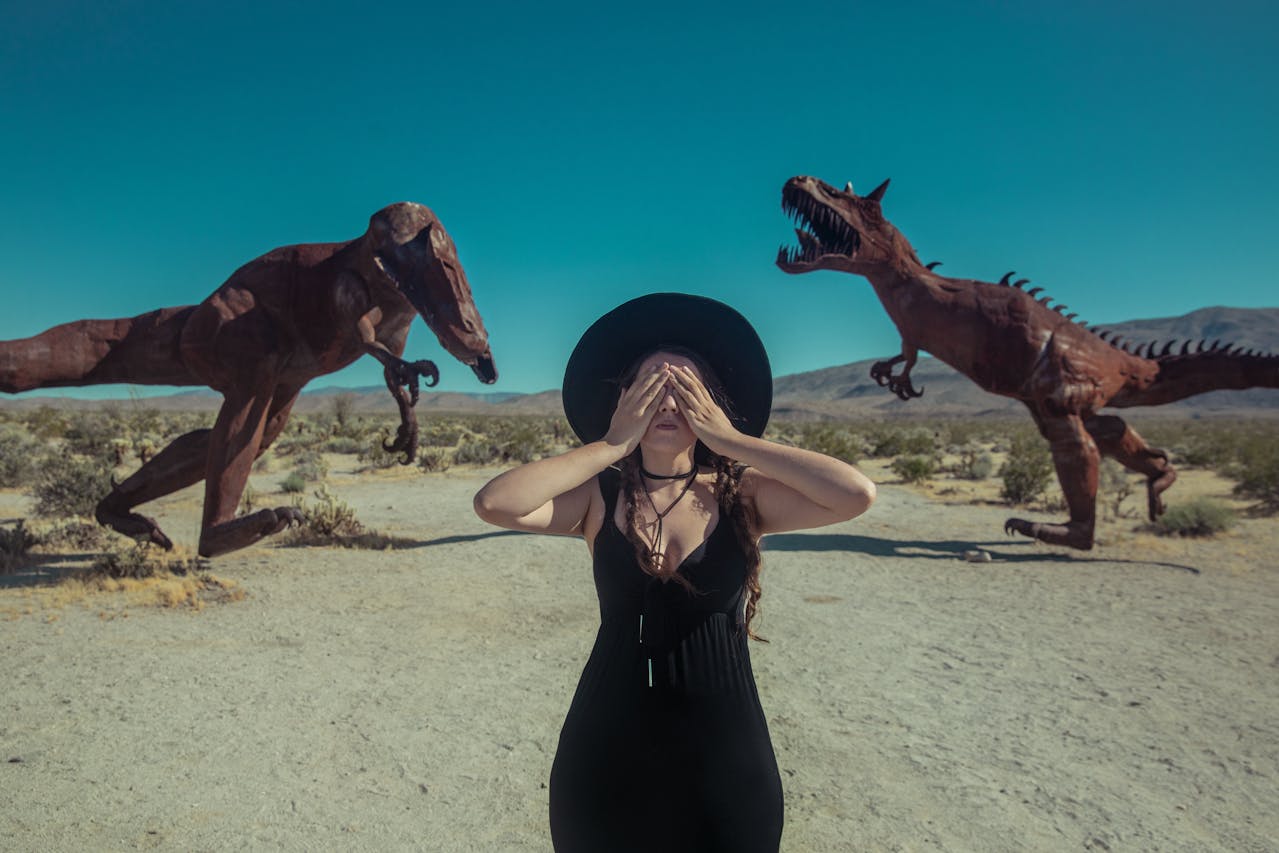
Wide-angle lenses make rooms, beaches, and viewpoints look larger and emptier than they are. Color grading — the specific teal-and-orange or warm-desaturated look that dominates travel content — makes ordinary weather look dramatic and turns a hazy afternoon into something that looks like golden hour. Drone footage of coastlines and canyons removes the crowd entirely, because drones shoot from above and behind where people actually stand. None of this is illegal or even unusual by industry standards, but stacked together, it produces a visual language that consistently oversells scale, emptiness, and light quality relative to reality.
The patterns worth watching for
- Any shot with zero other people in a known tourist destination was almost certainly taken at dawn or through crowd-editing
- “Budget” destinations rarely include the flight cost that dominates the real total
- Sponsored stays are frequently disclosed in fine print, if at all, and shape which businesses get featured
- Drone shots systematically hide ground-level crowding at popular viewpoints
Why this keeps working anyway
The economics that drive the distortion
Travel influencers are paid, directly or indirectly, based on engagement, and engagement rewards the exceptional over the typical almost every time. A photo of a normal, moderately busy beach performs worse than a photo of the same beach appearing empty, even if the empty version required arriving before dawn and required careful framing to exclude the dozen other people who were actually there. This isn’t a moral failing on the part of individual creators so much as a structural incentive built into how platforms rank and surface content — the algorithm rewards the distorted version, so the distorted version is what gets made, repeatedly, until it becomes the default visual language of an entire industry.
Destination marketing boards have caught onto this and increasingly court influencers directly, offering free stays, guided access, and sometimes direct payment in exchange for content — which further concentrates the type of imagery being produced around whatever a tourism board wants potential visitors to believe. None of this means the destinations aren’t worth visiting. It means the gap between the marketing layer and the lived experience has widened specifically because more parties now have a financial incentive to keep that gap as flattering as possible.
There’s a useful test that cuts through most of this: search for a destination’s name alongside the word “reality” or “vs expectations,” a search pattern that surfaces an entire genre of content specifically built to counteract the polished version — often filmed by ordinary travelers annoyed at how different a place looked from the curated photos that convinced them to book the trip. That secondary layer of content is itself becoming a more reliable predictor of the actual experience than the original glossy material, precisely because it has no commercial incentive to flatter the destination.
Some destinations have started fighting back against the distortion directly. A handful of cities and national parks have run public campaigns specifically warning visitors that a famous photo spot involves long lines, limited access, or safety risks that don’t show up in the version circulating online, essentially trying to manage expectations before disappointed or endangered tourists arrive expecting something the photo never accurately represented.
People know, on some level, that influencer content is curated, and they still show up expecting the curated version, because the alternative — assuming every destination is crowded and expensive — makes it harder to justify booking the trip at all. The gap between expectation and reality is where a huge share of travel disappointment actually comes from: not that the place is bad, but that it doesn’t match a photo taken at 6:15 AM by someone who left before 8. The fix isn’t to stop looking at travel photos. It’s to assume, by default, that the version you’re seeing represents the best 90 minutes of someone’s trip, not a typical afternoon.