Salt Lake City Was Once Nearly All Mormon. Recent Estimates Put It Closer to 40 Percent.
We may earn money or products from the companies mentioned in this post. This means if you click on the link and purchase the item, I will receive a small commission at no extra cost to you ... you're just helping re-supply our family's travel fund.
Salt Lake City’s identity as a Mormon stronghold traces back to Brigham Young’s arrival in 1847 and more than a century where the Church of Jesus Christ of Latter-day Saints defined nearly every aspect of the city’s culture, politics, and daily rhythm. That near-total religious homogeneity has eroded steadily for decades: various recent demographic estimates put Salt Lake City’s Mormon population share anywhere from roughly 40% to just under 50%, depending on methodology and whether the count includes inactive or non-practicing members on official church rolls, a dramatic shift from the near-universal affiliation the city held for its first century.
Why the Numbers Vary So Much Depending on the Source
Part of the discrepancy in reported figures comes down to what’s being measured: official LDS Church membership rolls count everyone ever baptized into the faith, including members who no longer attend or actively practice, while survey-based religious identification captures only people who currently self-identify as Mormon. A widely cited Los Angeles Times report found Mormons account for 49% of Salt Lake County’s population, the lowest share since at least the 1930s, and noted the county had become one of five in Utah where Mormons no longer constitute a majority (Los Angeles Times). Salt Lake City proper, the urban core within that county, generally shows an even lower LDS share than the county-wide figure, since the city’s more urban, younger population has diversified faster than surrounding suburban and rural areas.
What’s Driving the Shift
- A strong tech and outdoor-recreation-driven job market has drawn young professionals from across the country who have no prior connection to the LDS Church
- Youth disaffiliation from organized religion generally, a pattern affecting most American faith traditions, has hit LDS membership retention within Utah alongside national trends
- Salt Lake City has developed a well-documented, comparatively large LGBTQ+ community and nightlife and cultural scene that draws residents specifically seeking an urban experience distinct from the city’s historical religious identity
- Immigration and refugee resettlement programs have added meaningful non-LDS religious diversity, including growing Muslim, Buddhist, and Hindu communities documented in local religious demographic surveys
What Hasn’t Changed Despite the Demographic Shift
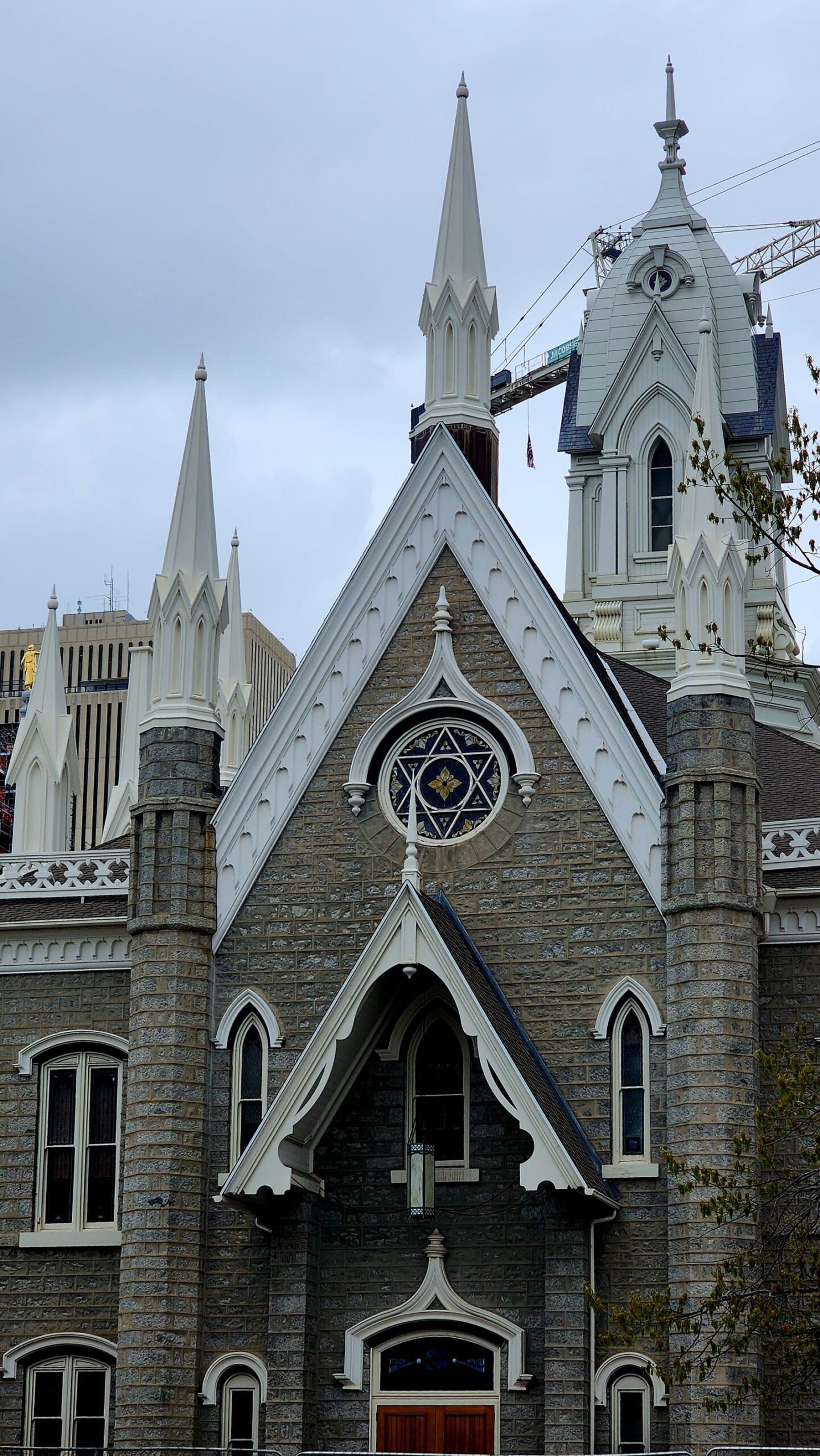
Temple Square remains the LDS Church’s global headquarters and Salt Lake City’s most visited single site, and the church’s institutional presence — its extensive property holdings, its role in local business and civic life, its historical influence over Utah state politics — continues to shape the city in ways that outpace its current membership percentage among city residents. Utah as a whole remains the only U.S. state where a majority of the population belongs to a single religious denomination, even as Salt Lake City itself, the state’s largest and most cosmopolitan city, has become the place where that statewide majority thins out fastest.
What This Means for How the City Actually Feels to Visit
Visitors expecting the buttoned-up, alcohol-scarce Mormon stronghold of outdated stereotypes find a city with a genuinely active bar and brewery scene, a respected independent restaurant and coffee culture, and a downtown nightlife district that would surprise anyone whose mental image of Salt Lake City stopped updating sometime in the 1990s. Utah’s historically restrictive liquor laws have loosened substantially over the past decade specifically in response to this demographic and cultural shift, removing barriers like the old “Zion curtain” partition requirement in restaurants that once separated bar preparation areas from dining room views, a change that itself reflects how far the city’s daily culture has moved from its founding religious identity even as Temple Square remains its most photographed landmark.
How This Shift Compares to Other Historically Religious American Cities
Salt Lake City’s demographic transformation parallels, in some ways, the secularization seen in other historically dominant single-faith American cities, though few have undergone as complete a shift given how thoroughly the LDS Church shaped the city’s original founding and urban planning. The city’s grid system, block sizes, and even street-naming conventions trace directly back to Brigham Young’s original city plan, meaning the built environment itself still visibly reflects a religious founding vision even as the population living within it has become considerably more religiously mixed than that founding vision anticipated.
Practical Notes for Visitors
- Temple Square remains open to visitors regardless of faith, with guided tours available covering both the religious and architectural history of the site
- Utah’s more relaxed liquor laws still include some remaining restrictions, like alcohol content limits on certain beer sold in grocery stores, worth knowing before assuming full parity with other states
- The city’s ski resort proximity — several major resorts sit within 30-45 minutes of downtown — makes it a practical winter base independent of its religious history entirely
The Bottom Line for Anyone Visiting
Salt Lake City’s religious identity is still visible everywhere in its street grid and its most famous landmark, but the city walking around that grid today looks less and less like the one the numbers used to describe. That gap between the old reputation and the current reality is exactly what makes it worth a fresh look.