Galena, Illinois Has 85% of Its Buildings Listed on the National Register. Most American Towns Don’t Have 85% of Anything.
We may earn money or products from the companies mentioned in this post. This means if you click on the link and purchase the item, I will receive a small commission at no extra cost to you ... you're just helping re-supply our family's travel fund.
Galena, Illinois, a town of roughly 3,300 people in the state’s northwest corner, holds one of the most completely preserved 19th-century downtowns in the country, with the Galena Historic District encompassing an estimated 85% of the town’s structures on the National Register of Historic Historic Places (Galena Historic District). Main Street’s brick and cast-iron storefronts, largely built during the town’s 19th-century lead mining and steamboat boom, survive today essentially unaltered in footprint and facade, a level of preservation that most American downtowns lost decades ago to demolition, urban renewal, or simple economic decline.
How a Boomtown Accidentally Became a Time Capsule
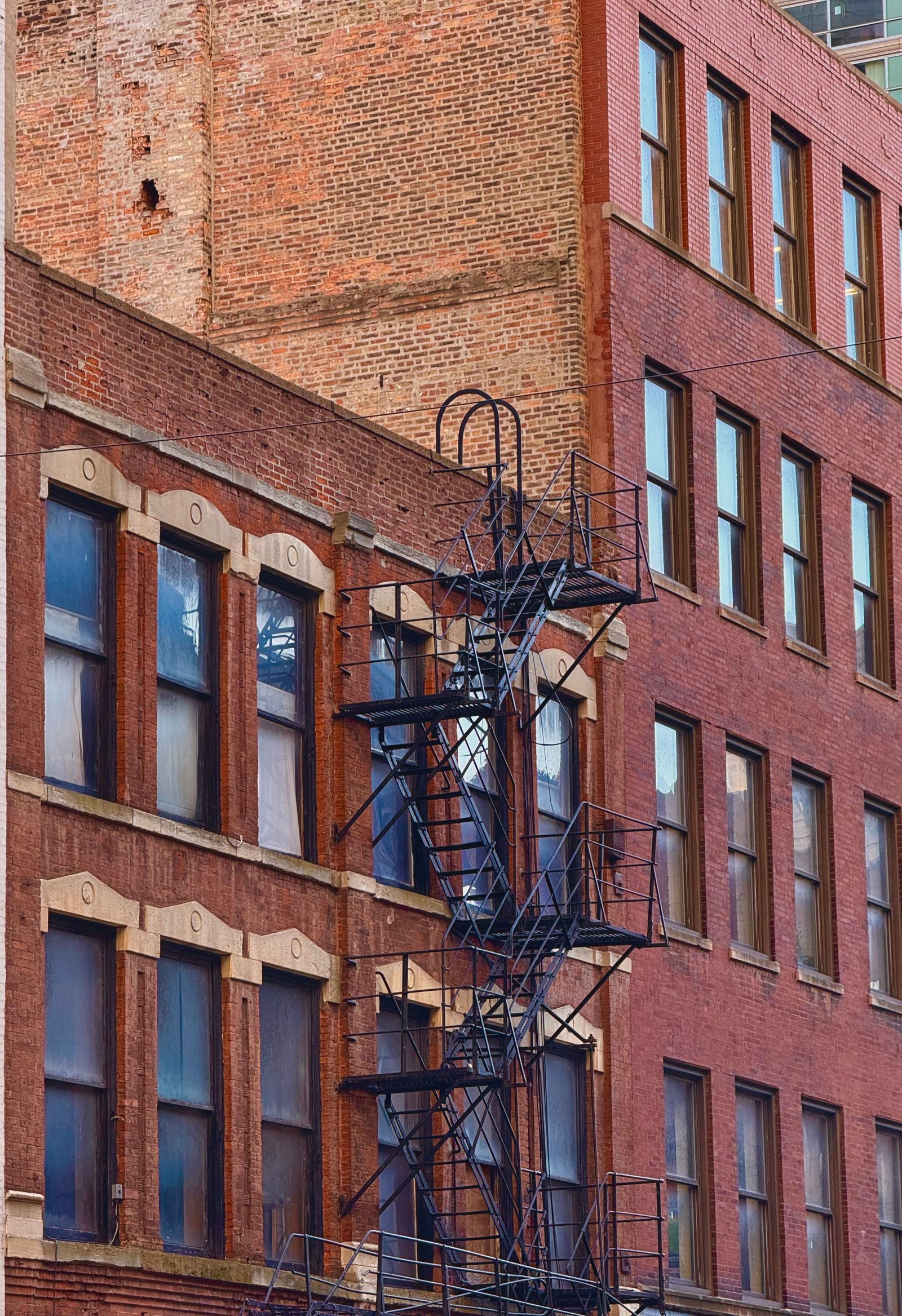
Galena’s preservation is largely an accident of economic history rather than a deliberate planning choice. The town boomed in the mid-1800s as a lead mining center and Mississippi River trade hub, briefly rivaling Chicago in size and importance, before railroads bypassed the town in favor of flatter routes and the regional economy shifted away from river-based trade. That economic bypass, while devastating for Galena at the time, meant the town never generated the wealth or growth pressure that would have funded the kind of mid-20th-century demolition and redevelopment that erased comparable historic downtowns elsewhere — Galena essentially froze in place because it stopped growing, not because anyone set out to preserve it.
What’s Actually There Today
- Ulysses S. Grant’s home, a gift from local citizens after the Civil War, sits preserved as a state historic site open to visitors
- The DeSoto House Hotel, opened in 1855, remains in operation as a hotel today and hosted Abraham Lincoln during an 1856 campaign visit
- Main Street’s roughly six-block commercial core now houses antique shops, restaurants, and boutiques inside the same 19th-century storefronts, largely unchanged in exterior form
- The town sits along the Galena River in a hilly, unglaciated part of Illinois known as the Driftless Area, giving it a topography that itself differs sharply from the flat prairie surrounding most of the state
How Galena Turned Economic Failure Into a Tourism Asset
Galena’s 20th-century rediscovery as a tourist destination began in earnest during the 1960s and 1970s, as travelers and preservationists began recognizing the value of what the town’s stalled growth had inadvertently protected. Local and state preservation efforts formalized that recognition, and by the time Galena was added to the National Register in the 1960s, the town had begun actively marketing its frozen-in-time downtown rather than treating it as a symbol of decline, a reframing that transformed Galena from a town the railroads left behind into one of the most visited small towns in Illinois specifically because of what it never got around to demolishing.
What a Day or Weekend There Actually Looks Like
Main Street rewards an unhurried walking pace, with most of the town’s historic sites, restaurants, and shops within a compact, walkable core that takes a few hours to cover at a relaxed pace and a full day if you’re stopping in every antique shop and gallery. Galena sits close enough to the Mississippi River and the broader Driftless Area’s hills and bluffs to support day-trip hiking or scenic driving alongside the downtown historic experience, and its proximity to the Wisconsin and Iowa borders — roughly three hours from Chicago and under an hour from Dubuque, Iowa — makes it a realistic weekend trip for a large swath of the Midwest rather than a destination requiring significant travel investment to reach.
How Galena Compares to Other Preserved Small Towns
Galena’s preservation level stands out even among the small number of well-known preserved American small towns — comparable in spirit to places like St. Charles, Missouri or Jacksonville, Oregon, but with a higher percentage of its total building stock protected than most comparable examples, according to the scope of its National Register historic district designation. That distinction matters to preservation researchers specifically because Galena’s protection came not from a single coordinated campaign but from decades of simple economic stagnation followed by a deliberate, later decision to formalize and market what had survived by circumstance rather than design.
Practical Visiting Notes
- Many of Galena’s shops and restaurants operate seasonally, with reduced hours in the depths of winter
- The town’s hilly terrain means comfortable walking shoes matter more than in a flatter historic downtown
- Nearby Mississippi River towns like Dubuque, Iowa offer an easy add-on if extending a Galena trip into a longer regional weekend
The Bottom Line for Anyone Planning a Trip
Galena’s preservation wasn’t a plan — it was what happened when a boomtown stopped booming and nobody got around to tearing anything down. That accident of history is now the entire reason people drive three hours from Chicago to see it.