Providence, Rhode Island Has RISD, a Culinary School, and 13 Waterfire Events a Year. Here’s Why It’s the Most Overlooked City in New England
We may earn money or products from the companies mentioned in this post. This means if you click on the link and purchase the item, I will receive a small commission at no extra cost to you ... you're just helping re-supply our family's travel fund.
Providence, Rhode Island is one hour from Boston and perpetually in its shadow. It has the Rhode Island School of Design (RISD) — one of the most influential art and design schools in the world — whose museum is open to the public and rivals New England’s best art institutions. It has Johnson & Wales University, which means the concentration of serious culinary training produces a restaurant culture per capita that consistently outperforms the city’s small size. It has WaterFire, a large-scale outdoor art installation on the Providence River that lights the city’s heart on 13 evenings per year. Most of New England drives past it to get to Cape Cod.
What Providence Has That Boston Doesn’t
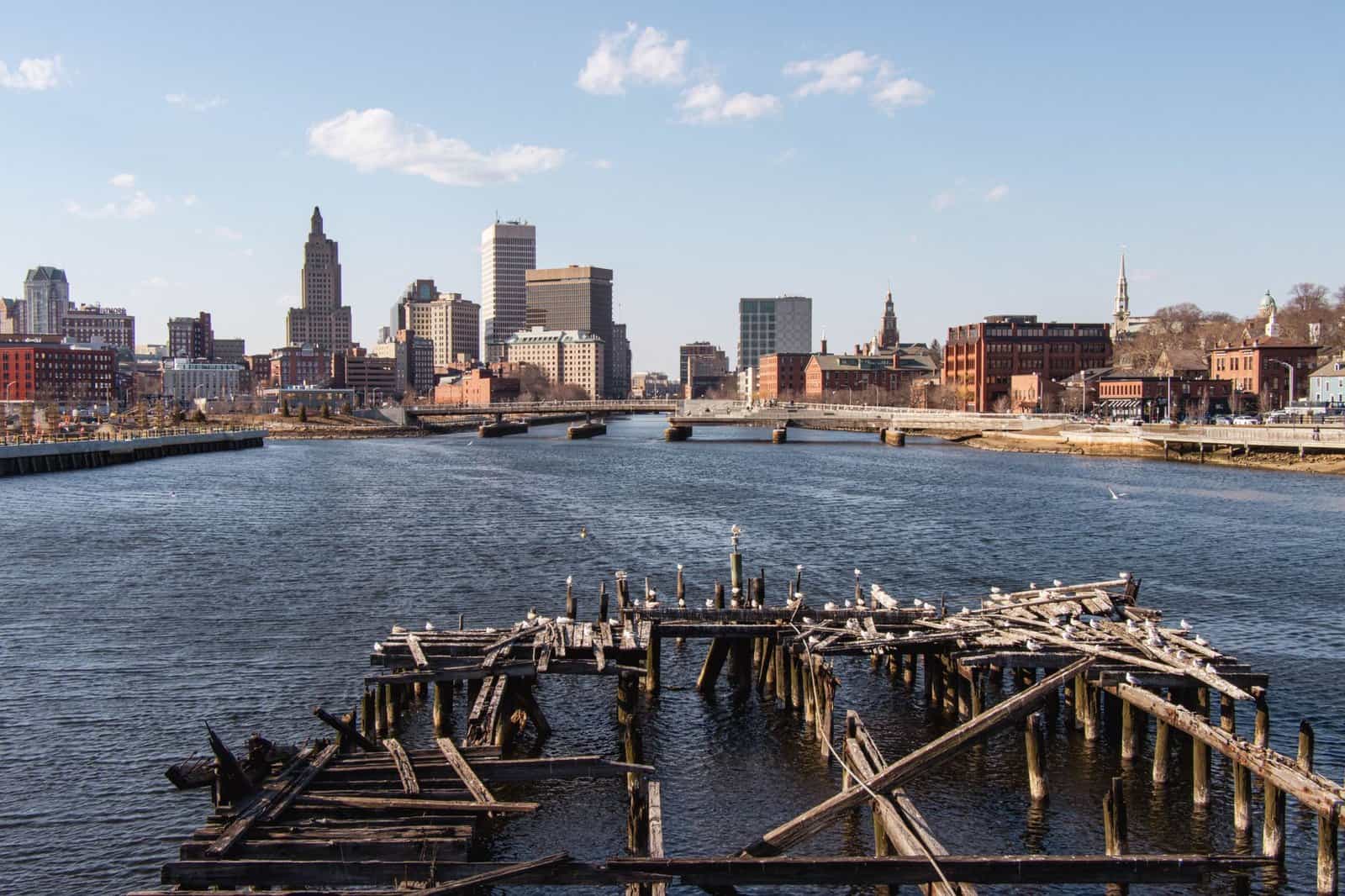
WaterFire Providence — Barnaby Evans’s award-winning permanent installation — lights 97 bonfires in the three rivers converging in downtown Providence on scheduled evenings from May through November. The event draws 100,000 visitors annually and creates an atmosphere that no other American city has replicated. WaterFire is free (donations accepted) and transforms the city’s waterways into a gathering place that’s both ancient-feeling and completely contemporary in its artistic conception. Checking the WaterFire schedule before booking a Providence visit and timing the trip to a fire night significantly changes the experience.
Federal Hill, Providence’s Italian-American neighborhood west of downtown, is the best argument for Providence’s food scene. Atwells Avenue and the side streets have been a functioning Italian dining corridor since the mid-20th century — Cassarino’s, Constantino’s Venda Ravioli (a deli and market that’s been there since 1937), and the newer restaurants that have moved into the neighborhood alongside the institutions. The combination of Federal Hill Italian, the RISD Museum’s permanent collection (free for Rhode Island residents, $15/adult for visitors), and the Benefit Street Colonial architecture corridor make Providence a city that rewards 2–3 days of unhurried exploration.
What a Providence Trip Costs
- Hotel in Providence: $140–$200/night (30–40% below Boston for comparable quality)
- RISD Museum: $15/adult
- WaterFire: free
- Dinner on Federal Hill for two: $80–$120 with wine
- Amtrak from Boston South Station: 1 hour, $18–$28
Providence is best visited from Boston on an overnight rather than a day trip — the WaterFire evening, Federal Hill dinner, and RISD Museum morning make a natural 36-hour itinerary that can’t be compressed into a same-day return. For anyone building a New England itinerary who has already done Boston, Providence is the logical next step that most itineraries skip over on the way to Newport or the Cape.
What Providence Does That Boston Doesn’t
Providence’s RISD Museum has a Japanese art collection that rivals institutional holdings in much larger cities, and an 18th- and 19th-century European decorative arts wing that displays at a level most visitors don’t expect from a museum at a design school. The museum’s programming is oriented toward the intersection of fine art and applied design — exhibitions that connect historical craft traditions with contemporary design practice, which is a perspective the Boston Museum of Fine Arts doesn’t prioritize. The permanent collection’s breadth is the result of 130 years of institutional collecting rather than a single donor’s priorities, which gives it a genuine diversity across media and cultures.
Benefit Street in College Hill — a 1-mile stretch of 18th-century houses preserved as a continuous streetscape — is the best preserved colonial residential street in New England. The Providence Preservation Society leads walking tours; going independently with the society’s self-guided tour map is equally effective and provides a walking encounter with American architectural history at a quality that Freedom Trail in Boston, for all its marketing, doesn’t match for sheer block-by-block coherence. The John Brown House (1786), the Governor Stephen Hopkins House (1707), and the First Baptist Church in America (1775) are all within a 10-minute walk of each other on or adjacent to Benefit Street.
Providence is worth a 2-night trip from anywhere in New England or the mid-Atlantic corridor. The RISD Museum in the morning, a Federal Hill lunch, Benefit Street in the afternoon, and a WaterFire evening (on the scheduled dates) provides a 36-hour Providence that uses the city’s best assets in their best sequence. The Amtrak connection from Boston (1 hour, $18–$28) or New York City (3.5 hours, $35–$55) makes Providence one of the most accessible and most overlooked urban destinations in the northeastern United States.