I Spent 10 Days in Japan for $2,800 Including Flights. Here’s the Exact Budget
We may earn money or products from the companies mentioned in this post. This means if you click on the link and purchase the item, I will receive a small commission at no extra cost to you ... you're just helping re-supply our family's travel fund.
Japan has a reputation for being expensive that’s partially accurate and mostly outdated for the traveler who plans correctly. In 2026, the yen’s exchange rate against the dollar has made Japan meaningfully cheaper for American visitors than it was in 2019. A 10-day trip from the US West Coast, including round-trip flights, the JR Pass, accommodation in a mix of business hotels and ryokan, and daily meals including one nice dinner, can land at $2,800 total. Here’s the exact budget.
The $2,800 Japan Breakdown
The actual numbers:
- Flights (LAX-NRT round trip): $750–$950 booked 6 weeks out on Japan Airlines or ANA, sometimes cheaper with points
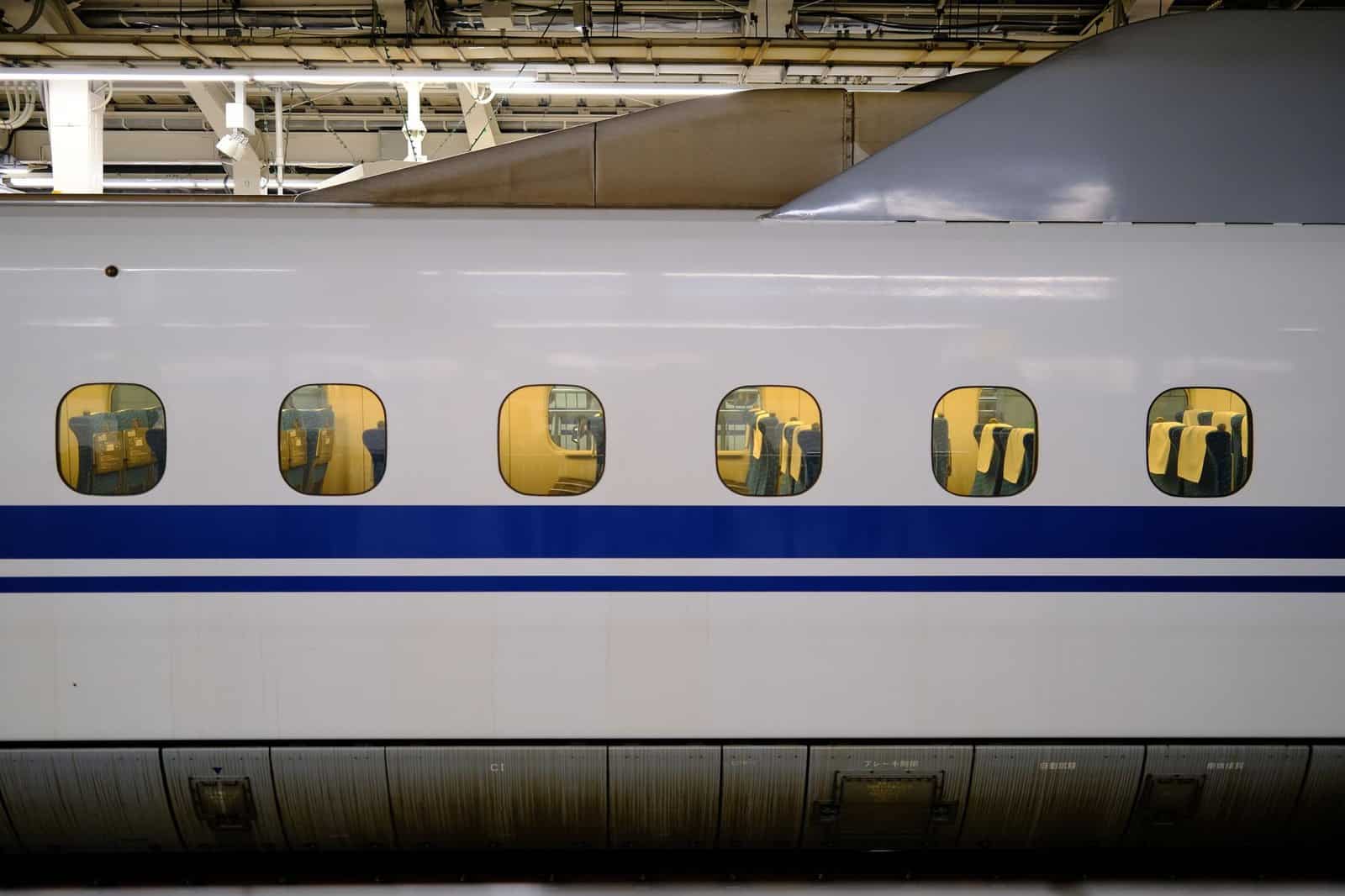
- 7-day JR Pass: approximately $330 at 2026 exchange rates — covers Tokyo-Kyoto-Osaka Shinkansen both ways plus most regional JR trains
- Accommodation (10 nights): $65–$85/night average — Tokyo business hotels (Dormy Inn, APA, Toyoko Inn chains) run $70–$100; Kyoto guesthouse or budget ryokan $60–$80
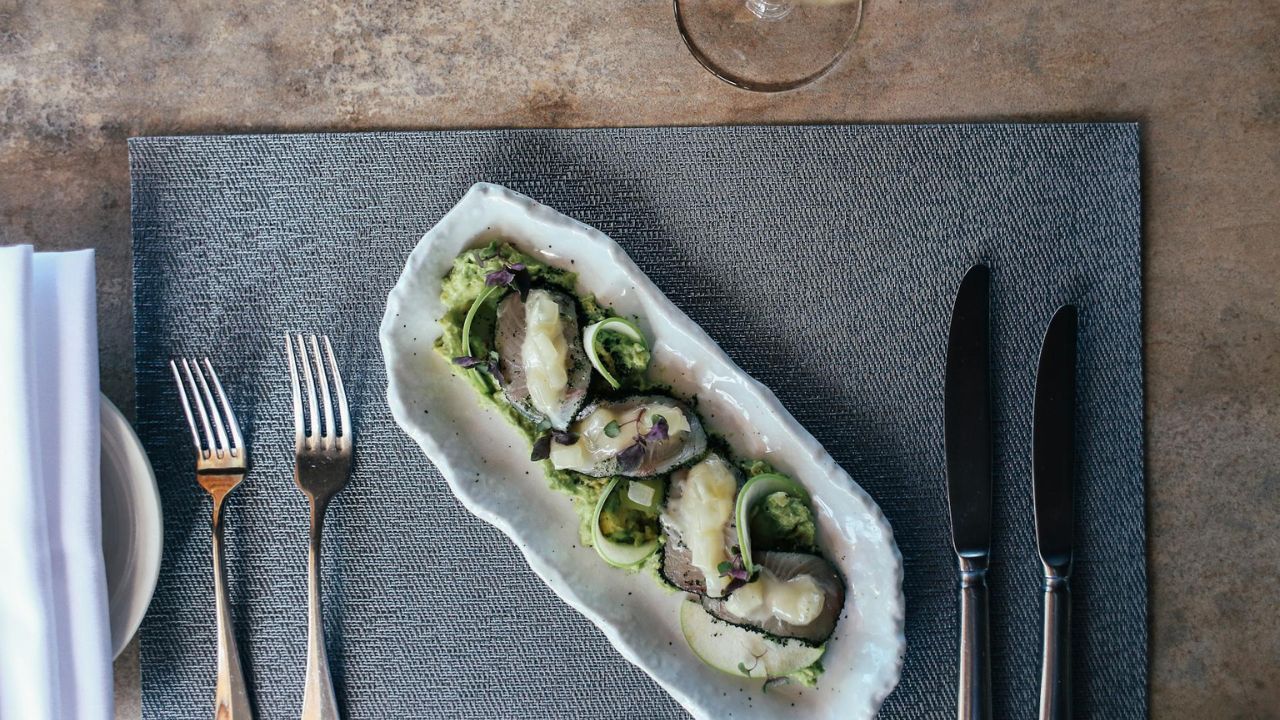
- Daily food (eating like a local): $30–$45/day — ramen $10, convenience store breakfast $3, izakaya dinner $25–$35 with drinks; one splurge dinner $60–$80
- Activities, entry fees, transportation within cities: $150–$200 total for 10 days — most shrines and temple gardens are free or $5
- Total: approximately $1,700–$2,100 on the ground + $750–$950 flights = $2,450–$3,050
What the Budget Gets You
This budget covers a Tokyo base (3–4 nights), Shinkansen to Kyoto (1.5 hours), Kyoto accommodation (3–4 nights covering Fushimi Inari, Arashiyama, the geisha district at Gion), a day trip to Nara (45 minutes from Kyoto), and Osaka for 1–2 nights before the return flight from Kansai International. It includes one ryokan night in Kyoto with a traditional kaiseki dinner, which is the cultural experience that frames everything else around it and typically runs $120–$200/person including dinner and breakfast.
The yen in 2026 is running approximately 150–155 yen to the dollar — meaningfully weaker than the 105–115 range of the 2019–2020 period. This exchange rate makes Japan 30–40% cheaper in dollar terms than it was for visitors five years ago. Food prices that already seemed reasonable to American tourists in 2019 are now genuinely inexpensive. A 10-day trip to Japan at $2,800 all-in is not a backpacker’s budget — it’s a mid-range trip with business hotels, good food, and Shinkansen travel. Japan in 2026 may be the best value long-haul destination accessible from the US West Coast.
What the Budget Doesn’t Cover — And How to Extend It
The $2,800 budget doesn’t include the optional additions that meaningfully upgrade the trip without doubling the cost. A day trip to Hiroshima and Miyajima from Kyoto ($60 round trip by Shinkansen) is one of the most important historical and visually extraordinary additions available anywhere in Japan. The Hiroshima Peace Memorial Museum and Park, the rebuilt city, and the Itsukushima Shrine on Miyajima Island (the floating torii gate at high tide) combine for a full day that warrants the Shinkansen ticket. Nikko, 2 hours north of Tokyo, has Tosho-gu shrine’s extraordinary lacquered wood carvings and the cedar avenue approach — another Shinkansen day trip that costs $80 round trip and provides historical context that central Tokyo doesn’t.
The Suica card — a rechargeable IC card available at any JR station — handles all subway, local train, and bus payments in Tokyo, Kyoto, and Osaka without needing individual tickets. Loading ¥3,000 ($20) onto the Suica card on arrival covers most in-city transportation for several days. Convenience store meals (onigiri rice balls, hot sandwiches, miso soup from the dispenser, cold noodles) are the most practical and authentic food option for morning and midday — a full meal from 7-Eleven or FamilyMart in Japan costs ¥500–¥800 ($3–$5) and is genuinely good. Japan’s convenience store food quality is not comparable to American convenience stores; treating them as a food option rather than an emergency fallback cuts the daily food budget significantly without sacrificing quality.
The 10-day Japan trip at $2,800 is fully achievable with the structure described here. The ceiling on a comparable trip — upgrading to a ryokan in Kyoto with kaiseki dinners, business class flights, and a supplement night in a mountain onsen — would run $6,000–$8,000 and represents a completely different price-point experience that the same country supports simultaneously. Japan has the most versatile price band of any major long-haul destination from the United States: you can do it right for $2,800 or exceptionally for $6,000 and the destination is good enough at both levels to justify the investment. The yen’s current weakness is narrowing the gap between the budget version and the luxury version in dollar terms — a temporary condition that makes 2026 an unusually good time to be considering the trip.