Lexington, Kentucky Has Two Things Most Mid-Sized Cities Don’t: World-Class Horse Racing and a Bourbon Trail Right Outside Town
We may earn money or products from the companies mentioned in this post. This means if you click on the link and purchase the item, I will receive a small commission at no extra cost to you ... you're just helping re-supply our family's travel fund.
Lexington, Kentucky has a specific identity that no other American city shares: the center of Thoroughbred horse breeding, surrounded by 450+ horse farms within a 20-mile radius, with the Kentucky Horse Park as a working farm and museum, and the beginning of the Kentucky Bourbon Trail a 20-minute drive in any direction. Louisville gets the Kentucky Derby attention. Lexington gets the horse country and the bourbon production, which are both more accessible, more educational, and more interesting to visit than the single race day that dominates Kentucky’s tourism marketing.
What the Horse Country Actually Looks Like
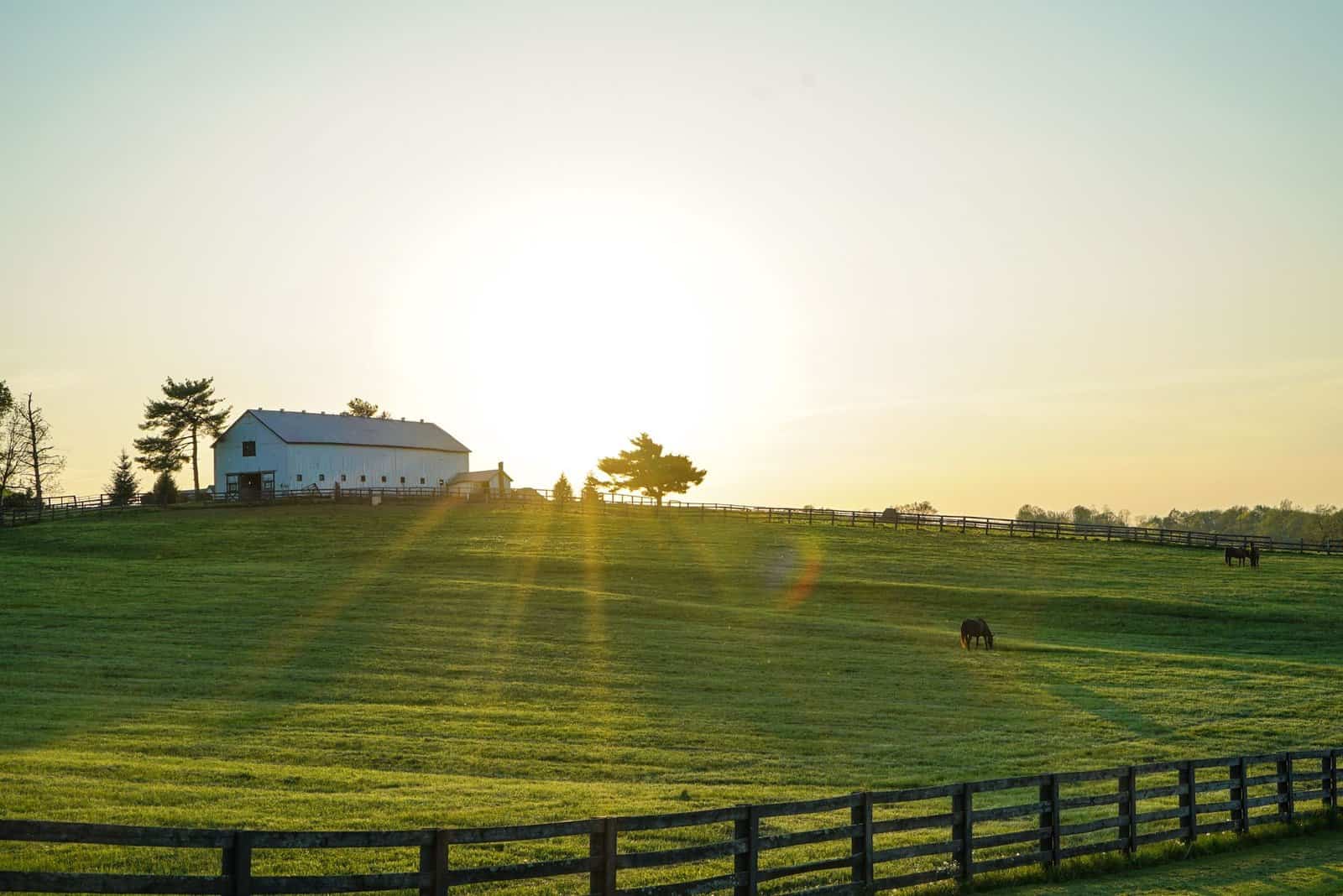
The Bluegrass region around Lexington — named for the Kentucky bluegrass that gives the pastures their distinctive color in spring — has a landscape that’s immediately distinctive from any other American farm country. The black plank fences running for miles along US-68 and Paris Pike mark the borders of farms where horses worth millions of dollars graze in conditions that cost more per acre to maintain than most American farmland. Farm tours at Lane’s End, WinStar, and Claiborne (where Secretariat is buried) are available by appointment and are free or low-cost.
Keeneland Race Course, 6 miles west of downtown Lexington, runs two live race meets — April and October — and is the most beautiful racetrack in North America, with a stone grandstand, tree-shaded paddock, and racing tradition dating to 1936. General admission on a race day is $5. The atmosphere at Keeneland October racing, with fall color on the trees and horses running in cooler temperatures, is one of the most civilized sporting experiences in the South.
The Bourbon Trail Access
Distilleries within 30 minutes of Lexington:
- Buffalo Trace (Frankfort, 25 miles): the most-visited distillery in the world, home to Pappy Van Winkle production, free tours with extensive tasting options
- Wild Turkey (Lawrenceburg, 25 miles): Matthew McConaughey’s longtime brand partnership and good visitor experience
- Woodford Reserve (Versailles, 20 miles): the most photogenic distillery in Kentucky, in a converted 1838 stone building, $25 tours
- Four Roses (Lawrenceburg, 28 miles): distinctive Spanish Mission architecture, exceptional single barrel selection
Lexington hotel prices are below Nashville’s and Louisville’s for comparable quality: $130–$190/night for mid-range. The combination of horse farm touring, Keeneland racing, downtown bourbon bars, and the 20-minute access to the world’s best bourbon distilleries makes Lexington one of the most travel-specific small cities in the South. Most people who go once come back for October racing. The ones who come for October racing add a Bourbon Trail day and leave with a longer list of reasons to return.
What Keeneland and the Farm Country Offer Beyond Racing
Paris Pike, the 11-mile road running northeast from Lexington toward Paris, Kentucky, is one of the most beautiful drives in the eastern United States — stone fences and plank fences alternating along the roadside, Thoroughbred mares in the pastures, antebellum farmhouses set back on tree-lined lanes. The drive takes 20 minutes at racing pace; it rewards the visitor who takes 45 minutes and stops twice. The Kentucky Horse Park, a working horse farm and museum 10 miles north of Lexington on I-75, has a permanent museum (National Horse Center and Hall of Champions) with retired racehorses and the grave of Man o’ War, the racehorse many historians consider the greatest Thoroughbred ever to race. Admission is $20/adult and includes the horse show in season.
The bourbon geography of the Lexington region reflects the underlying agricultural logic of Kentucky’s distilling tradition: the water filtered through limestone, the non-iron-filtered springs that give bourbon its character, the grain fields, and the warehouse space are all concentrated in the Bluegrass region within 30 miles of Lexington. Distillery tours in the Lexington area run from the flagship ($25–$45 at Woodford Reserve or Four Roses) to the craft producers (Kentucky Artisan Distillery, Barrel House Distillery in Lexington proper) that opened in the past decade. A self-guided bourbon day from Lexington — three distilleries in 6 hours with designated driver logistics sorted in advance — covers more distillery ground per mile than any other base in the state.
Lexington’s population of 325,000 supports a university city culture (University of Kentucky) with concert venues, sports (UK basketball is a religion in Kentucky, with Rupp Arena downtown holding 20,000 for home games), and a downtown restaurant corridor that includes Smithtown Seafood, The Table, and a James Beard-recognized dining scene that exceeds what the city’s tourism profile would suggest. The October Keeneland racing meets are the peak of Lexington’s visitor season for good reason — the combination of horse racing in the most beautiful track in America, farm country in fall color, and distillery touring in the season when bourbon is most socially appropriate creates an experience that can’t be replicated anywhere else in the United States.