St. Augustine, Florida Claims to Be the Oldest City in America. Here’s Whether the History Is Worth the Trip
We may earn money or products from the companies mentioned in this post. This means if you click on the link and purchase the item, I will receive a small commission at no extra cost to you ... you're just helping re-supply our family's travel fund.
St. Augustine, Florida was founded by Spanish explorers in 1565 — 42 years before Jamestown, 55 years before Plymouth. The claim to “oldest continuously occupied European settlement in the United States” is accurate, and the physical evidence is there in a way that most American historical claims can’t match. Here’s what visiting actually looks like and whether the history delivers the experience the marketing promises.
What the Historical Core Actually Offers
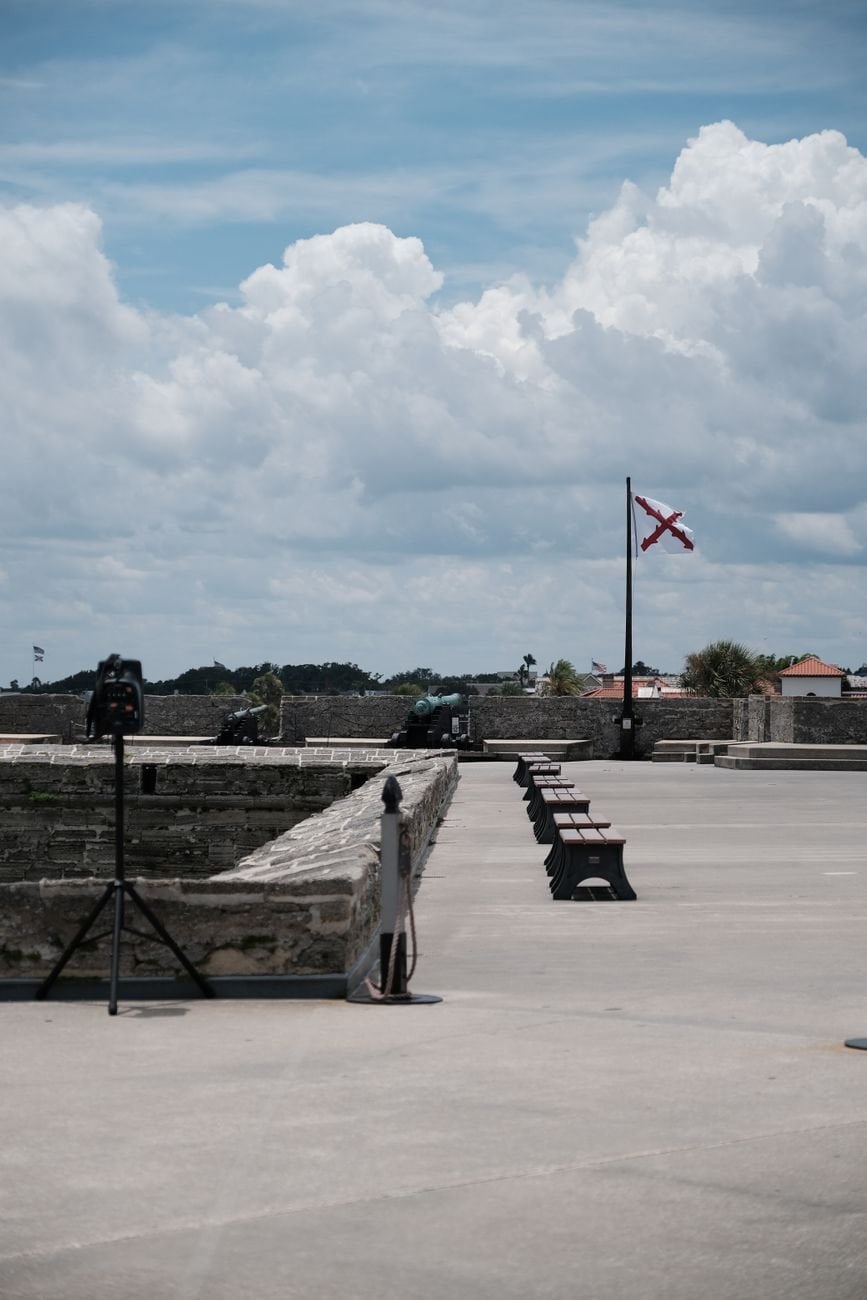
Castillo de San Marcos National Monument is the oldest masonry fort in what is now the United States, construction completed in 1695. The coquina (shell-limestone) walls that absorbed cannonballs rather than shattering saved the fort from British attack and are the same walls you walk along today. The fort is operated by the National Park Service, costs $15/adult for entry, and offers ranger-led tours that genuinely bring the military history to life. It’s one of the most substantial historical structures accessible to visitors anywhere in the eastern United States.
The Historic District around St. George Street is where the commercial tourism is concentrated — horse-drawn carriage tours, ghost tour operators (St. Augustine has an outsized ghost tour industry), restaurants, and colonial-era reproductions. The quality varies enormously. The reconstructed buildings are not original — the original Spanish colonial structures largely didn’t survive — but the Oldest Wooden Schoolhouse (1716), the Colonial Quarter living history museum, and the streets themselves maintain a scale and character that supports the historical imagination in ways that a fully reconstructed theme park doesn’t.
What Goes Beyond the Tourist Core
Flagler College, the stunning Beaux-Arts campus built as the Ponce de León Hotel in 1888, offers 45-minute guided tours of its incredible interior — Tiffany glass windows in the dining hall, hand-painted murals, a grand rotunda that Henry Flagler built for the wealthy winter visitors who made Florida. The college’s architecture alone is worth a half-day’s attention. Lightner Museum in the former Hotel Alcazar (also built by Flagler) contains a collection of Victorian art and antiques in a building as interesting as the collection.
What a St. Augustine Trip Costs
Accommodation:
- Historic District B&Bs and boutique inns: $180–$280/night
- Mid-range options outside the core: $120–$160/night
- Peak dates to avoid: Spring break weeks, St. Patrick’s Day weekend, and the Christmas/Nights of Lights season (November–January), when the city’s famous million-light display drives rates and crowds up dramatically
St. Augustine is about 50 miles south of Jacksonville and an easy day trip or overnight from either Jacksonville or Daytona Beach. The best time for a concentrated historical visit: February through early March, when the crowds are smallest and the weather is in the comfortable 60s. The history is real, the fort is genuinely extraordinary, and the Flagler architecture is some of the most opulent late 19th-century building you can walk through anywhere in Florida. Give it a focused day and a half rather than a rushed half-day, and it delivers substantially more than the ghost tour brochure suggests.
What St. Augustine’s Claimed Oldest Status Actually Means
St. Augustine’s claim to ‘oldest city’ status in the United States (founded 1565 by Spanish explorer Pedro Menéndez de Avilés) is legitimate for continuously inhabited European-founded settlements. The Castillo de San Marcos — the massive coquina stone fort that protected the city for the Spanish, British, and then American governments from 1672 onward — is the oldest masonry fort in the continental United States and is a National Monument managed by the National Park Service. The fort’s history as a military installation, a prison, and a cultural site spans four centuries of shifting sovereignty over the same physical place.
The Lincolnville neighborhood directly west of the historic district has a separate historical layer that the tourist-facing St. Augustine marketing underemphasizes: the formerly enslaved community that founded Lincolnville after the Civil War and built a neighborhood identity that produced the St. Augustine civil rights movement of 1963–1964. The St. Augustine civil rights actions — wade-ins at segregated beaches, sit-ins at lunch counters, marches on the old slave market — were a direct precedent to the 1964 Civil Rights Act. The Lincolnville Museum and Cultural Center documents this history; the tour of the Lincolnville historic district by foot is more substantial than the tourist trolleys that stick to the Spanish colonial sites.