Portugal’s Food Scene Changed More in 5 Years Than the Previous 50—Now Unexpected Countries Are Making Their Mark on Fine Dining
We may earn money or products from the companies mentioned in this post. This means if you click on the link and purchase the item, I will receive a small commission at no extra cost to you ... you're just helping re-supply our family's travel fund.
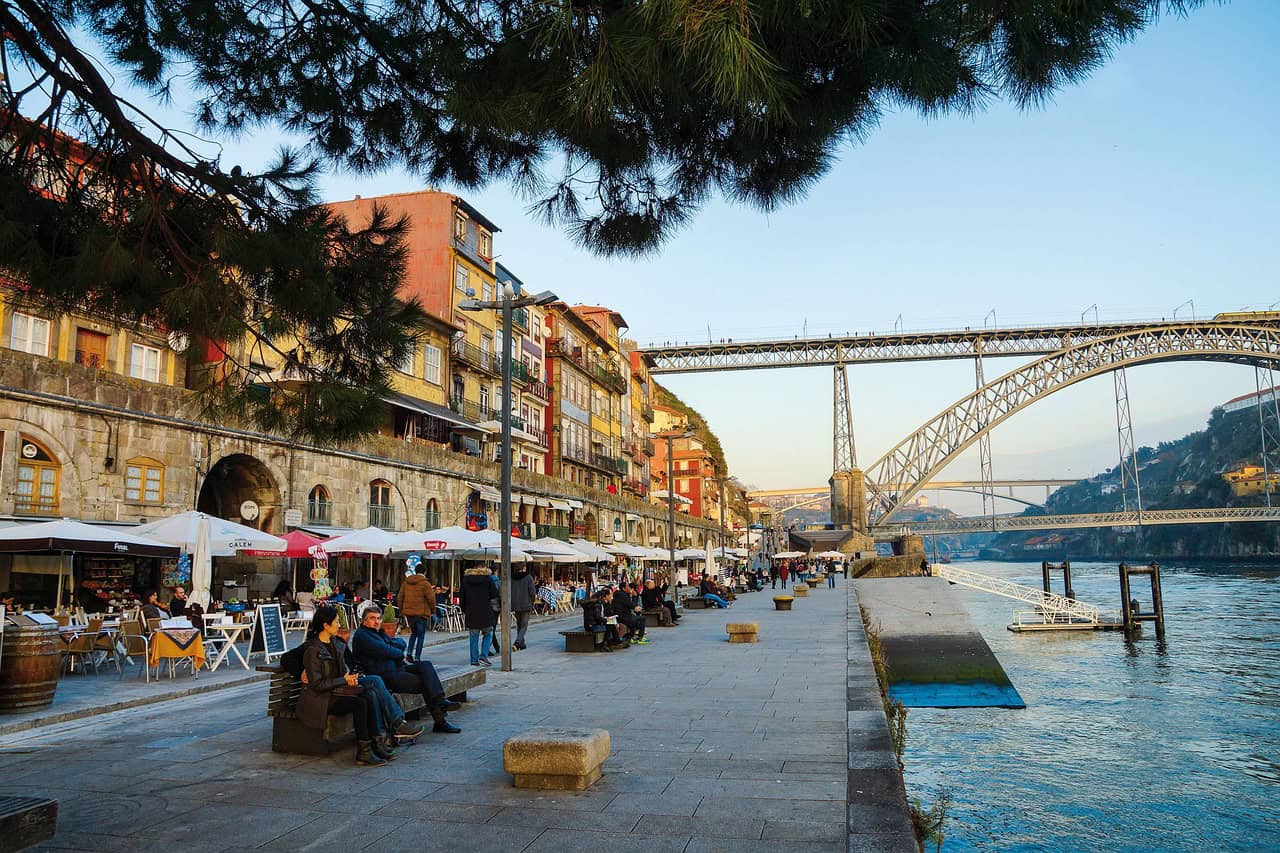
Michelin’s guide added a wave of new stars across Portugal over the last several years, part of a broader and genuinely measurable shift in which countries traditionally overlooked in global fine dining conversations have produced significant, sustained improvements in their food scenes. Lisbon alone went from having a small handful of starred restaurants a decade ago to a meaningfully larger cluster today, alongside a broader casual dining renaissance built on modernized takes on Portuguese staples like bacalhau and regional pork dishes.
The pattern isn’t limited to Portugal by any means. Food and travel writers have pointed to similar trajectories in places like Georgia the country, parts of Mexico beyond the already-established Mexico City and Oaxaca scenes, and Peru, which built one of the most internationally celebrated food movements of the last fifteen years around chefs like Virgilio Martinez and restaurants such as Central, consistently ranked among the World’s 50 Best Restaurants list published annually.
What Actually Drove the Change in Places Like Portugal

A generation of chefs who trained abroad, often in Spain, France, or at globally influential kitchens elsewhere in Europe, returned home and applied high-level technique to overlooked local ingredients and traditions, a pattern that repeats across nearly every country that has seen this kind of rapid culinary rise in recent memory. In Portugal specifically, chefs returning from stints in Spain’s Basque Country, itself a food revolution success story a generation earlier, brought back techniques applied to Portuguese seafood, wine, and pork traditions that had genuinely never been presented at that level of technical execution before.
Tourism growth created both the customer base and the investment capital needed to support ambitious restaurant projects that wouldn’t have been financially viable a generation earlier. Lisbon’s surge in foreign visitors and property investment through the 2010s coincided almost exactly with its restaurant scene’s rise, and the two trends are widely understood by industry observers to be directly connected rather than merely coincidental developments happening side by side.
Georgia’s Wine and Food Revival
The country of Georgia has pushed its 8,000-year-old winemaking tradition, centered on qvevri clay vessel fermentation, into genuine international recognition over the past decade, with natural wine movements in cities like New York and London specifically citing Georgian wine as foundational to their entire aesthetic and approach. Tbilisi’s restaurant scene has grown alongside this wine revival, with a new generation of restaurants presenting Georgian staples like khachapuri and khinkali with more refined technique while carefully maintaining the intensely flavorful, generous style that defines Georgian hospitality traditions at their core.
Georgian wine exports to the United States and Western Europe have grown substantially as sommeliers and natural wine bars sought out qvevri-fermented amber wines as a genuinely distinct category, giving Georgian winemakers a export market and price premium that simply didn’t exist for most producers a decade earlier.
Peru’s Head Start and What Followed It
Peru’s culinary rise began earlier than Portugal’s or Georgia’s, driven substantially by chef Gaston Acurio’s decades-long campaign to elevate Peruvian ingredients and street food traditions into fine dining settings starting in the 1990s, well before international food media caught on to what was happening in Lima’s kitchens. That head start let Peru build deeper institutional infrastructure, culinary schools, ingredient supply chains connecting Amazonian and Andean producers directly to Lima restaurants, that newer food scenes in Portugal and Georgia are still in the process of developing.
Peru’s example has become something of a template other countries now explicitly study and reference: elevate indigenous and regional ingredients rather than importing a foreign fine-dining template wholesale, train chefs domestically as well as abroad, and use food specifically as a tool for national branding and tourism promotion in a deliberate, coordinated way.
What Ties These Food Scenes Together
A generation of chefs trained abroad who returned home specifically to apply advanced technique to local, often previously undervalued ingredients sits at the center of nearly every one of these success stories, regardless of which specific country is being discussed. International food media platforms and awards like the World’s 50 Best list have amplified these scenes far beyond what national tourism boards could have achieved through advertising spending alone, creating a level of global attention that previously required decades to accumulate through more traditional promotional channels.
A conscious embrace of previously undervalued local and peasant food traditions, rather than an attempt to simply import a French or Spanish fine-dining template wholesale, appears to be the common thread across every one of these otherwise very different national food scenes.
Travelers who visited these destinations a decade ago and return today consistently describe the food scene as the single most noticeable change across the whole trip, more so than any new building, transit system, or hotel opening, a testament to how directly a country’s culinary reputation can shift within the span of a single generation of chefs.
Food-focused travel itself has grown into a distinct and increasingly organized category of tourism in response to these shifts, with dedicated culinary tour operators, cooking classes, and market-to-table experiences now built specifically around destinations that a decade ago would have been marketed almost entirely on scenery or history rather than on what visitors could actually eat while they were there.
Real estate and hospitality investment has followed the same trajectory in each of these countries almost exactly one step behind the food scene’s rise, with boutique hotels and short-term rental demand climbing fastest in the same neighborhoods where the most talked-about new restaurants have opened, a pattern local economists in Lisbon and Tbilisi alike now track as a leading indicator of which up-and-coming districts are likely to see property values rise next.
- A generation of chefs trained abroad who returned home to apply technique to local ingredients
- Tourism and foreign investment growth that created capital for ambitious restaurant projects
- International food media and platforms like World’s 50 Best drawing global attention to previously overlooked scenes
- A conscious embrace of previously undervalued local and peasant food traditions rather than importing foreign fine-dining templates wholesale