Sonoma County Has 425 Wineries and One-Third of Napa’s Tourist Traffic—What That Means for Your Next Wine Trip
We may earn money or products from the companies mentioned in this post. This means if you click on the link and purchase the item, I will receive a small commission at no extra cost to you ... you're just helping re-supply our family's travel fund.
Sonoma County has outgrown its longtime reputation as Napa’s more laid-back neighbor, expanding to roughly 425 bonded wineries spread across a county nearly three times the physical size of Napa Valley, with growing regions ranging from the cool, fog-influenced Russian River Valley to the warmer, more Mediterranean climate around Alexander Valley. Visitor numbers have climbed steadily over the past several years as travelers increasingly seek the same caliber of wine with less crowding, lower average tasting fees, and a noticeably more relaxed, agricultural feel than Highway 29’s now-famous tasting room gridlock.
The county’s sheer geographic range means a single day trip can move between dramatically different landscapes, redwood forest along the Russian River, rolling oak-studded hills near Glen Ellen, and rugged Pacific coastline near Bodega Bay, all within roughly an hour’s drive of each other, a diversity of scenery Napa’s narrower valley simply cannot match regardless of how good its wine happens to be.
Why the Comparison to Napa Keeps Coming Up
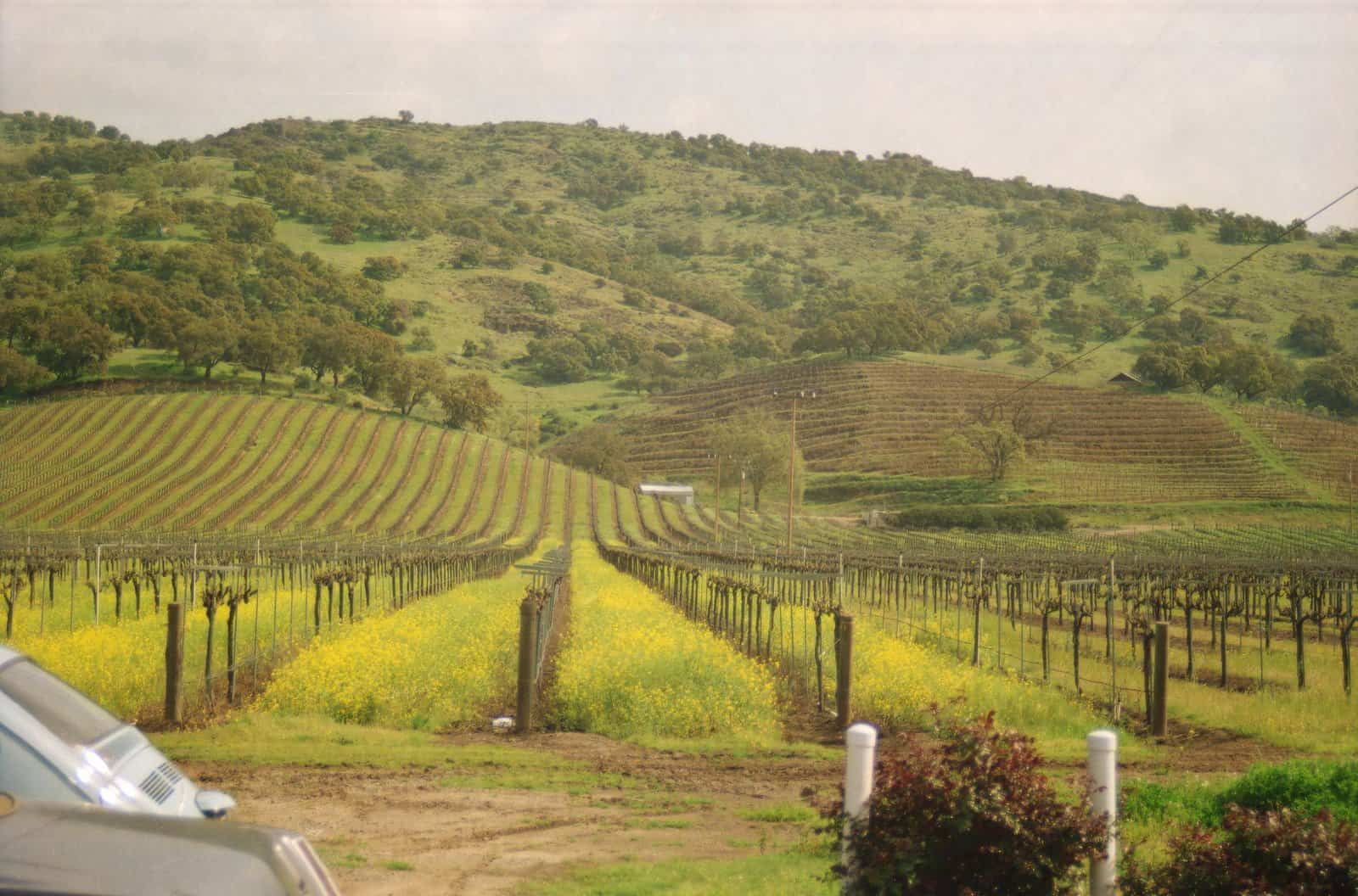
Average tasting fees in Sonoma County have historically run noticeably lower than Napa’s, though both regions have raised prices substantially in recent years as demand for premium wine tourism experiences has grown nationally. The bigger structural difference is appointment culture: many of Napa’s most prestigious wineries now require advance reservations for even a basic tasting, while a meaningful share of Sonoma wineries still welcome walk-in visitors, particularly among smaller, family-owned operations that make up a larger share of the county’s total winery count.
Sonoma’s identity has also stayed more explicitly agricultural, with dairy farms, apple orchards, and vegetable operations woven directly into the same valleys as the vineyards, giving the county a working-farm character that Napa largely traded away decades ago as land values climbed and vineyard acreage displaced most other agriculture.
The Towns Doing the Most to Absorb New Visitors
Healdsburg has emerged as Sonoma County’s most polished small-town hub, with a town square now surrounded by tasting rooms, chef-driven restaurants, and boutique hotels that didn’t exist twenty years ago, a transformation locals describe with a mix of pride and concern about rising costs pricing out longtime residents. Sebastopol and Santa Rosa have absorbed a different kind of growth, functioning more as affordable home bases for visitors exploring the entire county rather than standalone destinations themselves.
Coastal towns like Bodega Bay and Jenner see a much more seasonal visitor pattern tied to summer weather windows, since coastal Sonoma stays foggy and cool for much of the year in a way that surprises visitors expecting California sunshine at the coast rather than the wine country’s warmer inland valleys.
What the Growth Has Meant for Local Housing
Sonoma County’s median home price has climbed sharply over the past decade, a trend county officials and housing advocates link directly to the same wine tourism boom that has been so good for the local hospitality economy, since short-term rental conversions and second-home purchases by wealthy visitors have both put upward pressure on a housing stock that was already constrained by geography and agricultural land protections.
Local wineries and hospitality businesses increasingly cite worker housing as their single biggest operational challenge, with several larger wine producers now building or subsidizing employee housing directly, an unusual step that reflects just how disconnected local wages have become from local housing costs in the tourist-heavy parts of the county.
Where the County Is Headed Next
County tourism officials have deliberately promoted the region’s less-visited northern reaches, including Alexander Valley and Knights Valley, as a release valve for crowding in the more established southern wine country closer to Sonoma Plaza, betting that spreading visitors across a wider footprint will ease pressure on any single town’s infrastructure.
Climate change has already started reshaping which grape varieties thrive where within the county, with some growers in warmer inland areas experimenting with heat-tolerant varieties more associated with Spain or southern Italy, a shift that will likely change what Sonoma is known for producing within the next generation of winemaking.
- Roughly 425 bonded wineries spread across a county nearly three times Napa’s size
- Lower average tasting fees and more walk-in-friendly culture than Napa Valley
- Distinct microclimates ranging from foggy coastline to warm inland valleys
- Rising home prices and worker housing shortages tied directly to tourism growth
What a First-Time Visitor Should Actually Prioritize
Visitors trying to cover both Sonoma and Napa in a single trip often make the mistake of treating them as a single combined day trip, when the driving distance and sheer number of worthwhile stops in each region reward dedicating at least a full day to Sonoma on its own rather than squeezing it into a rushed afternoon between Napa appointments.
Farm-to-table dining has become as central to Sonoma’s identity as the wine itself, with several of the county’s most celebrated restaurants sourcing directly from nearby dairies, orchards, and vegetable farms, a culinary identity that reinforces the county’s broader agricultural character in a way that distinguishes it from Napa’s more wine-centric dining scene.
The Role of Agritourism Beyond Wine Tasting
Beyond wineries, Sonoma County has built a genuine agritourism economy around cheese producers, olive oil makers, and lavender farms that welcome visitors for tours and tastings, giving travelers a reason to structure an entire day around the county’s broader agricultural identity rather than wine tasting alone. Several of these smaller producers have become destinations in their own right, drawing visitors specifically seeking a slower, more hands-on farm experience than a typical winery visit offers.
Farmers markets in towns like Healdsburg and Sebastopol have also grown into weekly community events that double as tourist attractions, connecting visitors directly with the same small producers supplying many of the county’s celebrated restaurants, a farm-to-table connection that has become central to how Sonoma markets itself against Napa’s more purely wine-focused identity.