Why Cruise Lines Skip Some Potential Ports—Ships Need Enough Depth, Fuel Range, and a Town Ready for Thousands of Visitors
We may earn money or products from the companies mentioned in this post. This means if you click on the link and purchase the item, I will receive a small commission at no extra cost to you ... you're just helping re-supply our family's travel fund.
Adding a new port of call is a multi-year process for major cruise lines, involving detailed infrastructure assessments, lengthy contract negotiations, and increasingly, direct pushback from destination communities that have started saying no outright. The image of a cruise line simply deciding a pretty coastal town looks good on a brochure and adding it to next season’s itinerary badly understates how much has to align first before a single ship ever docks there.
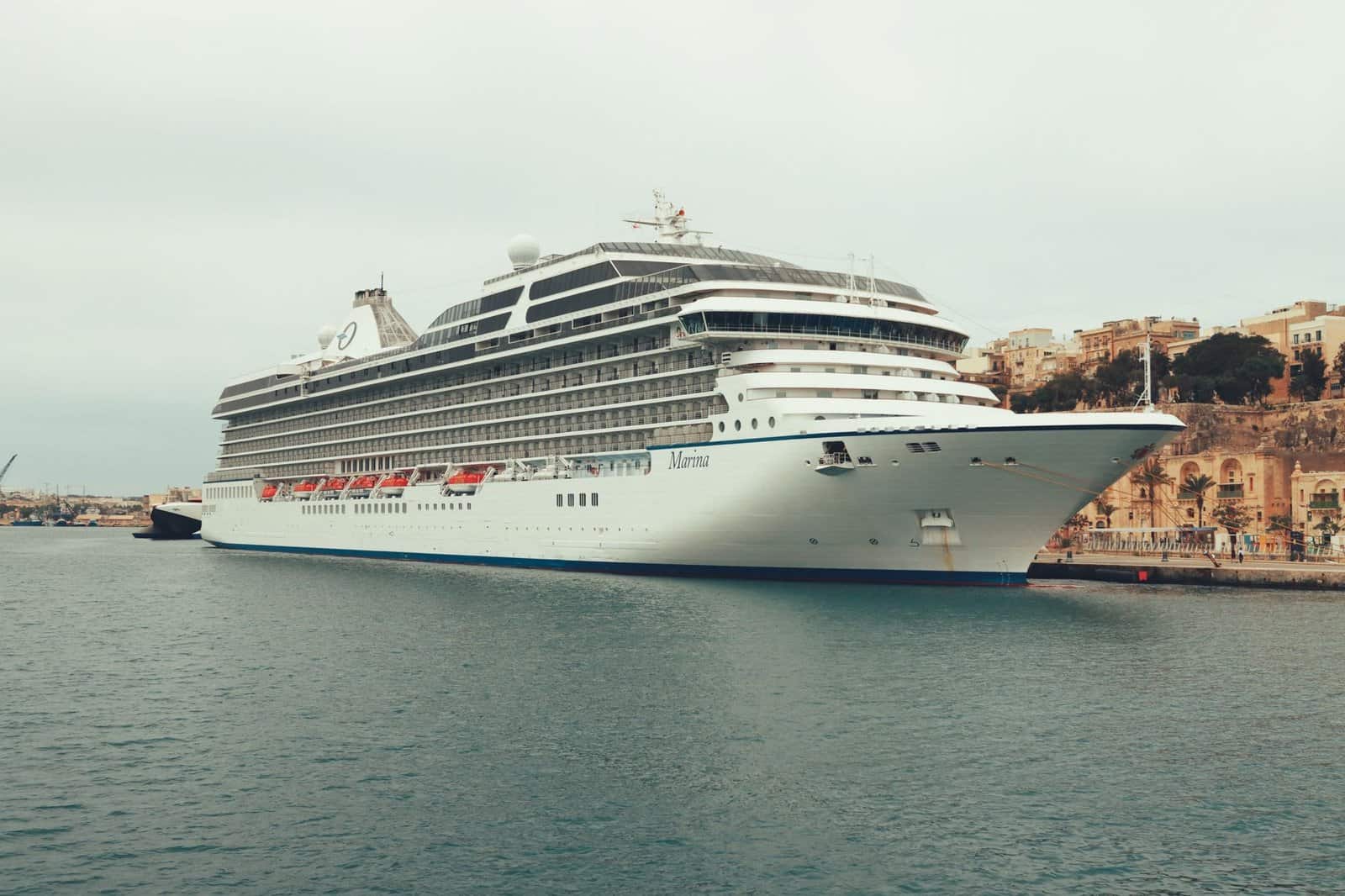
The most basic constraint is physical: a port needs sufficient water depth to accommodate a given ship’s draft, which for the largest modern cruise ships can require channels dredged to 35 feet or more, along with a dock long enough and structurally rated to handle a vessel that can weigh over 200,000 gross tons fully loaded. Many otherwise scenic coastal towns simply cannot physically accommodate the largest ships without infrastructure investment that neither the town nor the cruise line is ultimately willing to fund.
The Business Side Cruise Lines Actually Weigh
Cruise lines negotiate per-passenger port fees directly with local governments and port authorities, and those fees, multiplied by the passenger capacity of ships calling regularly throughout a season, represent a serious revenue line for destination governments, which is part of why some towns compete aggressively for cruise calls while others have started resisting them outright in recent years. Itinerary planners also weigh how a new port fits into existing route logistics: fuel range between ports, the sequence of sea days versus port days that cruise research consistently shows passengers prefer, and whether adding one new port requires expensive repositioning of a ship’s overall seasonal deployment across an entire region.
Shore excursion revenue is a major factor rarely discussed publicly by the industry. Cruise lines earn substantial commission on excursions they sell to passengers before or during a cruise, so a prospective port becomes considerably more attractive if it offers excursion products, tours, adventure activities, cultural sites, that can be packaged and sold at a healthy markup, rather than simply a pretty walkable town with nothing readily bookable for passengers.
Why Some Towns Are Now Saying No
Venice effectively banned large cruise ships from its historic center in 2021 after years of sustained protest over wake damage to the city’s foundations and overcrowding in a city with a permanent population far smaller than its daily tourist influx during peak season. Key West voters approved ballot measures in 2020 to limit cruise ship size and daily passenger numbers, though the measures faced significant legal and legislative pushback from the state of Florida in the years that followed. Bar Harbor, Maine capped daily cruise disembarkations after residents in a town of about 5,500 people organized against the disruption caused by ships bringing thousands of day-trippers into a downtown built for a fraction of that traffic.
These fights follow a remarkably consistent pattern across very different destinations: locals in small, historic, or ecologically sensitive towns organize against cruise traffic once the ratio of daily visitors to residents crosses a threshold that visibly changes daily life, traffic, noise, strain on water and sewer systems built decades earlier for a much smaller population, and a gradual shift in local retail toward souvenir shops serving day-trippers rather than businesses serving residents.
What Determines Whether a Port Sticks Around Long-Term
Ports that maintain long-term relationships with cruise lines tend to have either purpose-built cruise terminals separate from historic centers, as many Caribbean destinations have deliberately built, or governments that actively manage passenger caps and traffic flow to keep resident quality of life intact, a middle path cities like Charleston, South Carolina have pursued with explicit limits on the size and frequency of ships calling on the historic downtown port area.
Some destinations have negotiated revenue-sharing agreements that fund specific infrastructure upgrades directly tied to cruise traffic, road repairs, water treatment capacity, public restroom facilities, giving residents a more direct and visible benefit from the arrangement rather than feeling like the costs of tourism land on the town while the profits flow mostly to the cruise line itself.
How Itinerary Planning Actually Works Behind the Scenes
Cruise lines typically plan itineraries eighteen months to two years in advance, coordinating port agreements, fuel logistics, and marketing campaigns well before a single ticket goes on sale to the public. A new port added to a route usually appears first as a trial addition on a limited number of sailings before a line commits to it as a standard year-round or seasonal stop, giving both the cruise line and the destination a chance to evaluate whether the arrangement is actually working for both sides.
Weather patterns, hurricane season timing in the Caribbean and Gulf, and seasonal wildlife considerations in places like Alaska all factor into which ports appear on which specific sailings throughout the year, meaning the same cruise line might serve a completely different rotation of ports depending on the month a passenger books.
Passenger feedback surveys collected at the end of nearly every cruise feed directly back into future itinerary decisions, giving cruise lines a continuous stream of data about which ports passengers rated highest for value, safety, and overall experience, data that often carries more weight in renewal decisions than the initial infrastructure and fee negotiations that got a port added to the rotation in the first place.
What Travelers Can Learn From Watching This Process
Passengers curious about how sustainable a given port’s cruise relationship is likely to be over the long run can often find real clues in local news coverage from the destination itself, where residents and officials openly discuss passenger caps, infrastructure strain, and revenue negotiations well before any of it becomes visible to someone simply booking a cruise online.
Booking a cruise on a newer, less established port can sometimes mean a fresher, less crowded experience precisely because the destination hasn’t yet appeared on enough itineraries to draw the same volume of ships that a long-established Caribbean or Mediterranean port might see on a given day.