Nashville’s Biggest Costs Don’t Rise Together — Here’s How to Build Your 2026 Trip Budget
We may earn money or products from the companies mentioned in this post. This means if you click on the link and purchase the item, I will receive a small commission at no extra cost to you ... you're just helping re-supply our family's travel fund.
Nashville is one of those cities where two travelers can spend wildly different amounts on the same weekend. One books a downtown tower on a big event night and pays several hundred dollars for a room. The other stays a few miles out, eats hot chicken, listens to free music on Broadway, and spends a fraction of that. Your Nashville trip budget in 2026 depends on a handful of costs that move independently, so planning each one separately pays off.
The ranges below are typical, not guaranteed. Prices shift with events, season, and demand, so check current rates before you book. What stays reliable is the structure: lodging first, food and music second, and transport and parking as the add-ons that surprise people.
Your Nashville Trip Budget for 2026, Category by Category
Think of a Nashville trip as five buckets: lodging, food, music and entertainment, getting around, and extras. Lodging is the biggest and most flexible. Food is the easiest to control. Music can be free or cost a night’s hotel rate. Transport and parking are the small leaks that add up. Because each bucket responds to different forces, a high price in one does not mean the others will be high too.
The sections below take each bucket in turn with typical dollar ranges, and then three sample budgets show how it all adds up.
Lodging: The Cost That Swings Most
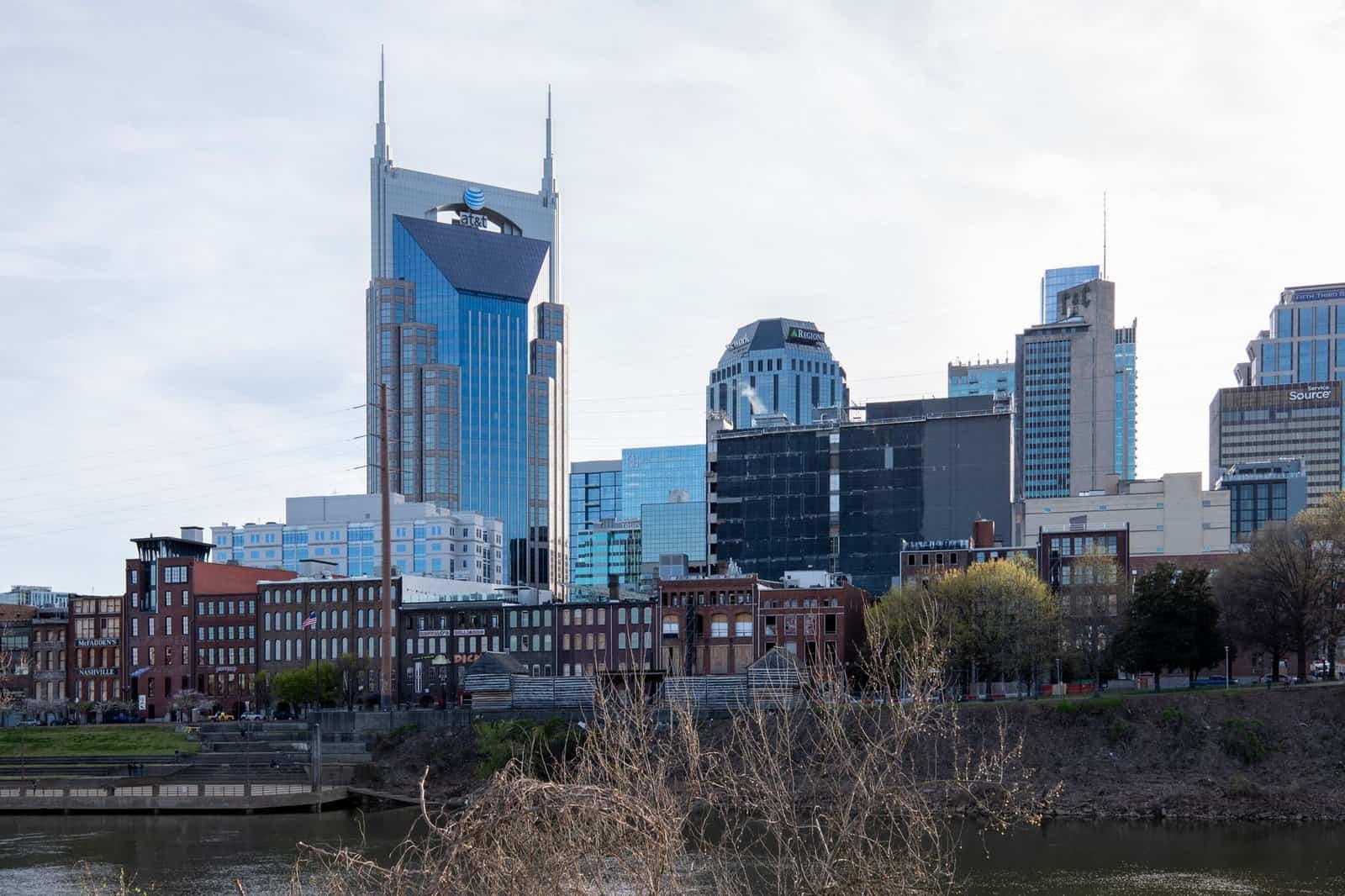
Downtown and the Gulch carry the highest prices. On an ordinary weeknight, a mid-range downtown hotel often runs roughly $200 to $300, while weekends and big-event dates can push the same room to $350 or more. Midtown, Music Row, and East Nashville tend to cost less. Airport-area and suburban hotels, often 10 to 20 minutes from downtown, commonly list in the $100 to $180 range.
Timing matters more than location. Weekday stays, winter weekends, and the hot-and-humid heart of summer are usually cheaper than spring and fall weekends, when conferences, festivals, and bachelorette parties fill rooms. CMA Fest in June and big concert and game weekends are among the most expensive. Resort fees and nightly parking charges, sometimes $30 to $50 at downtown hotels, can add to the real price, so read the fine print.
- Budget pick: airport-area or suburban chain hotels, about $100 to $180 a night.
- Mid-range pick: Midtown, East Nashville, or a downtown-edge hotel, about $180 to $300.
- Splurge: downtown or Gulch hotels, about $300 and up on busy dates.
- Rental houses and apartments can help for groups, but check cleaning fees and local rules.
Food: Easy to Control
Nashville’s food scene covers a lot of price points. Hot chicken, the city’s signature dish, runs about $12 to $20 for a plate at popular spots like Hattie B’s or Prince’s, while meat-and-three plates at local lunch counters often cost $12 to $18. Barbecue plates sit in a similar range. Breakfast biscuits and coffee can come in under $12.
Sit-down dinners in neighborhoods such as 12 South, The Gulch, and Germantown commonly cost $25 to $50 per person before drinks, and tasting-menu restaurants go well above that. Broadway tourist restaurants carry a premium for location, with cocktails often $12 to $16 and beers $7 to $10 in honky-tonks and bars.
A frugal eater can do $40 to $60 per day on food. A typical visitor who mixes casual meals and a nice dinner will land closer to $80 to $120. A foodie weekend with reservations and cocktails can pass $150 a day.
Music: Free to Pricey, Your Call
Part of what makes Nashville unusual is that the headline attraction can be free. The honky-tonks on Lower Broadway, including Tootsie’s, Robert’s Western World, and others, typically have no cover charge, and musicians play from late morning to late night. You are expected to tip the band and buy a drink, and a few dollars in the tip jar goes a long way.
Ticketed shows run a different range. The Ryman Auditorium often lists tickets from about $40 to well over $100 depending on the artist, and the Grand Ole Opry commonly runs from roughly $40 to $100 or more. The Bluebird Cafe, famous for songwriter nights, has small-room shows with modest ticket prices, but reservations can be competitive. Museums such as the Country Music Hall of Fame typically charge around $30 to $40 for adult admission.
- Free: Broadway honky-tonks, public songwriter nights at smaller venues, and some neighborhood live music.
- Moderate: club shows and smaller venues, roughly $15 to $40.
- Premium: Ryman, Opry, and arena or stadium shows, roughly $40 to $200 depending on the headliner.
Getting Around: Parking and Rides
Nashville’s attractions are spread out, and the public transit system is limited compared with big coastal cities. Many visitors rely on rideshare, which for a trip between the airport and downtown commonly costs about $25 to $40 each way, with surge pricing at peak times. A few short rides each day can add $30 to $60.
If you rent a car, factor in parking. Downtown garages and lots charge by the hour or event, and weekend or game-night rates can reach $20 to $40. Hotel parking adds nightly charges. A good compromise is to stay near the area you plan to explore, walk Broadway and the riverfront, and use rideshare for farther trips.
Extras That Add Up
Tipping is part of the Nashville music economy, and musicians on Broadway work for tips. Plan a few dollars per song request or per set. Add sales tax and tourism fees to your hotel and restaurant bills. Day trips, such as to Franklin or the Jack Daniel’s distillery in Lynchburg, bring admission and fuel costs. If you plan tours, such as a Ryman backstage tour or a Music Row tour, budget $20 to $50 per person.
Three Sample Nashville Budgets
Putting those pieces together, here is how a three-night trip for two adults might look in 2026. These are estimates meant to help you plan, not quotes.
- Value weekend: roughly $900 to $1,300. Stay outside downtown, eat casual, spend most evenings on free Broadway music, and use rideshare sparingly.
- Mid-range weekend: roughly $1,600 to $2,400. Stay in Midtown or East Nashville, mix casual meals with one nice dinner, and book one ticketed show.
- Splurge weekend: roughly $3,000 and up. Stay downtown, book several shows, and dine at higher-end restaurants and rooftop bars.
Flights and gas are extra. If you fly, add airfare, and if you drive, add fuel and parking. Even in the value version, lodging often accounts for about a third to half of the total.
Where Costs Don’t Move Together
This is the part that makes Nashville budgeting tricky and rewarding. A hotel price can jump on a convention weekend while hot chicken stays the same price. A big concert can raise parking and rideshare surge, while the honky-tonks remain free. A cold weekday in January can lower lodging by half but leave restaurant prices flat. Because the buckets respond to different forces, you can often swap a high cost for a low one.
That means a smart planner makes choices bucket by bucket. If the hotel is pricey, spend less on dinners and lean on free music. If you want a big concert, pick a cheaper hotel. If you must stay downtown, skip the rental car. Separating the costs gives you levers instead of a single scary total.
Best Times to Visit for Value
Prices follow demand. Weeknights in late winter, from January through early March, tend to be the cheapest, and humid midsummer weeks are slower than peak festival weekends. Spring and fall bring the best weather and also the highest prices on weekends. If you want good weather and lower rates, aim for mid-week visits in April, May, September, or October, and avoid dates with big conventions or games. Check the calendar of events at Nissan Stadium, Bridgestone Arena, and the Nashville Convention Center before you choose dates.
Ways to Save Without Missing the Point
- Book a weekday stay and skip Saturday night if you can.
- Choose a hotel just outside downtown and use rideshare for a short hop in the evening.
- Eat your biggest meal at lunch, when many restaurants offer cheaper menus.
- Spend your music budget on one ticketed show and fill the rest with free honky-tonk sets.
- Look for free attractions, such as the Parthenon in Centennial Park, which has a small admission fee, and the Bicentennial Capitol Mall State Park, which is free to walk.
- Ask your hotel about parking, resort fees, and any bundled packages before you book.
The Bottom Line
A Nashville trip in 2026 is as expensive or as affordable as you decide. Lodging is the big swing, food and music are the places where you control the spending, and parking and rideshare are the small costs that add up if you ignore them. Plan the buckets one at a time, check prices for your exact dates, and you will end up with a trip that fits the budget you set rather than the one the weekend demanded.