Medicine Park Has Been Oklahoma’s Cobblestone Resort Town Since 1908. Here’s Why Late Fall Is the Time to Go
We may earn money or products from the companies mentioned in this post. This means if you click on the link and purchase the item, I will receive a small commission at no extra cost to you ... you're just helping re-supply our family's travel fund.
Medicine Park Oklahoma opened for business on July 4, 1908, when a young lawyer named Elmer Thomas, later a longtime U.S. senator, launched it as the state’s first resort town. More than a century later, the town’s buildings are still made of round red granite cobblestones hauled out of the creek beds and hills around it. Most visitors come in summer to swim. Late fall is better.
Here is why. From late October through November, the Wichita Mountains next door cool down to hiking weather, the bison and elk on the wildlife refuge are easy to spot, the oaks along Medicine Creek turn bronze and gold, and the summer crowds at the swimming holes are gone. You get the cobblestone streets, the mountain views, and the wildlife without fighting for parking.
The town sits about 15 miles northwest of Lawton in southwest Oklahoma, at the eastern gate of the Wichita Mountains Wildlife Refuge, which covers about 59,000 acres of mixed-grass prairie and ancient granite peaks. It is small, with a population of a few hundred people, and its cobblestone look makes it unlike anywhere else in the state.
Here’s Why Late Fall Is the Time to Go
Medicine Park’s summer reputation is all about water. Medicine Creek runs through the middle of town, and a dam forms Bath Lake, a historic swimming hole that has drawn crowds since the resort’s early years. On hot weekends, the creek banks fill with families, and parking gets tight.
By late October that scene is over, and the town’s other strengths come forward.
- Weather: average highs in southwest Oklahoma in November usually sit in the 60s, with cool nights. That is ideal for hiking granite trails that bake in summer.
- Wildlife: bison, Texas longhorn cattle, elk, white-tailed deer, and prairie dogs are all active on the refuge. Elk breeding season, the rut, peaks in early fall, and bulls can still be heard bugling into October.
- Color: post oaks and blackjack oaks on the hillsides and the cottonwoods along the creek take on fall tones in late October and November.
- Crowds: the swimming season is done, so weekends are calmer and restaurants are easier to get into.
- Prices: cabins and inns that book solid in summer often have more availability and lower rates.
Late fall also brings clear, dry air on many days, which makes the views from the mountaintops sharper than in hazy summer.
The Cobblestone Story of Medicine Park Oklahoma
Elmer Thomas picked the spot because of Medicine Creek, whose spring-fed water he believed had healing qualities. He promoted the town as a resort, and early visitors came by rail, wagon, and later automobile to stay in hotels, cottages, and tent camps. The town billed itself as the “Jewel of the Southwest.”
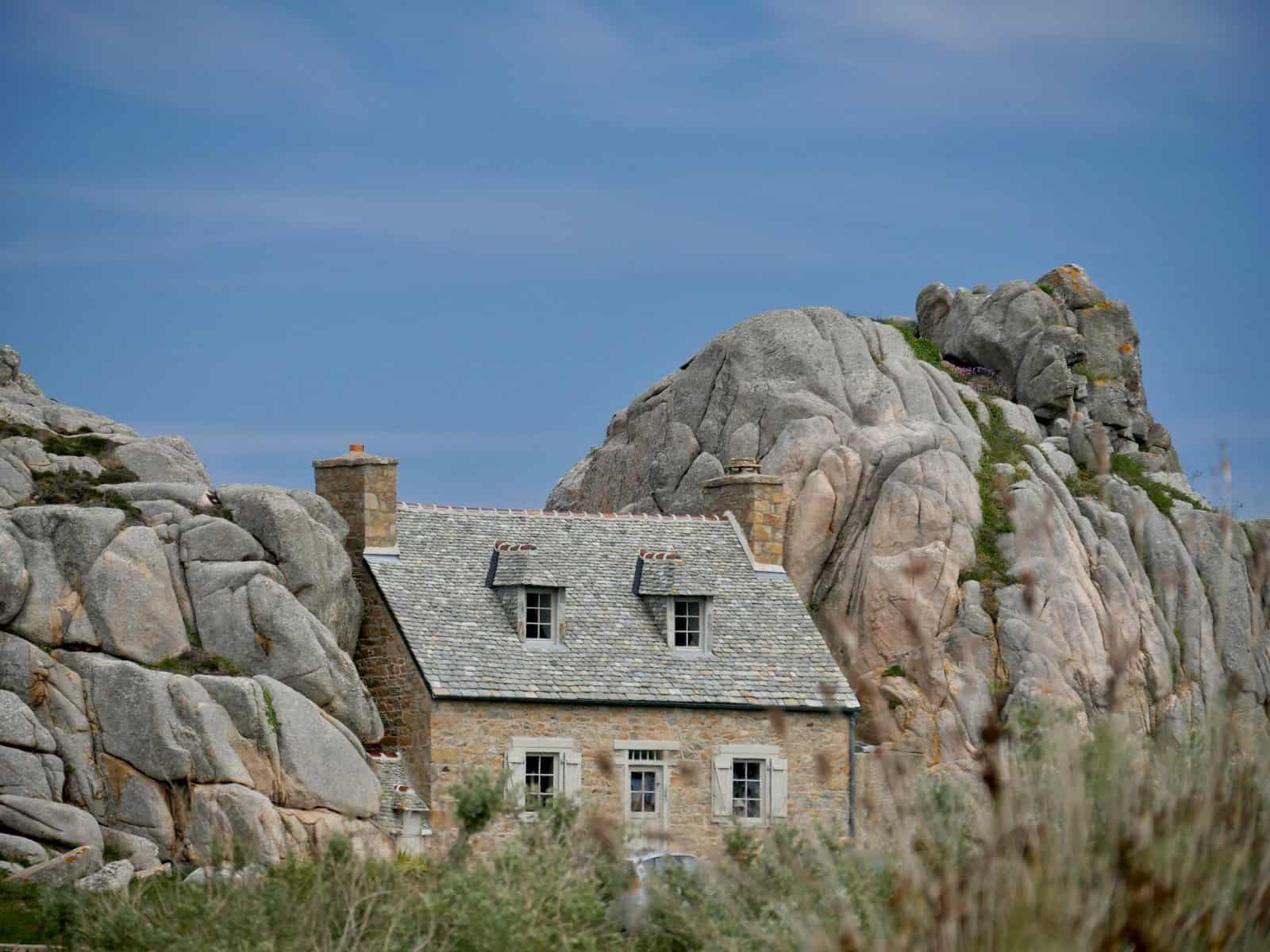
Builders used the local stone. Round, rust-red granite cobbles, worn smooth by water and weather, went into walls, cottages, bridges, and storefronts. That is why the town looks the way it does. Many of the buildings standing today date to the town’s early decades, and newer construction often follows the same style.
The resort’s fortunes rose and fell over the 20th century. After a long decline, residents and new businesses revived the town starting in the 1990s and 2000s, restoring cobblestone buildings and opening galleries, restaurants, and lodging. The Oklahoma Historical Society notes the town’s role as the state’s first planned resort.
The Wichita Mountains Wildlife Refuge Next Door
The real reason to come in late fall is the refuge. The Wichita Mountains Wildlife Refuge is one of the oldest managed wildlife areas in the federal system, set aside as a forest reserve in 1901 and designated a game preserve in 1905. In 1907, the American Bison Society and the New York Zoological Society shipped 15 bison by rail from the Bronx Zoo to the refuge to help restore a species that had been driven close to extinction. Their descendants still roam the prairie.
What to look for:
- Bison herds grazing near the roads, especially in the open grassland west of the refuge headquarters.
- Texas longhorns, managed here as a historic breed.
- Elk in the mornings and evenings near wooded draws.
- Prairie dog towns along the main road, where the animals pop up and bark at passing cars.
- Wild turkeys and many raptors in the colder months.
Stay in your vehicle near bison and give them plenty of room. They are wild animals that weigh up to about 2,000 pounds and can run far faster than you.
Mount Scott and the Best Views
Mount Scott, about 2,464 feet high, has a paved road that climbs to the summit. On a clear late-fall day you can look out over the Wichitas, Lake Lawtonka, and the plains stretching toward Texas. The road is narrow and winding, with tight curves, and it closes at certain times, so check refuge conditions. Bicyclists also ride it, so drive carefully.
Sunset from Mount Scott is one of the most photographed views in southwest Oklahoma. Arrive early on weekends.
Hiking Trails Worth Your Time
The refuge has a network of trails that are far more pleasant in fall than in July.
- Elk Mountain Trail: a moderate climb to a summit with wide views, about 2 miles round trip.
- Charon’s Garden Wilderness: rugged boulder fields and granite formations, with routes that require scrambling.
- Forty Foot Hole and the Lost Lake area: trails along creeks and pools tucked among granite outcrops.
- Bison Trail and other longer routes: good for full-day hikes across prairie and woodland.
Trails can be rocky, and route-finding gets tricky in the wilderness areas. Carry water, wear sturdy shoes, and download maps before you go, since cell signal varies.
The Holy City of the Wichitas
Inside the refuge stands the Holy City of the Wichitas, a set of stone buildings built in the 1930s as a setting for an Easter passion play that began in 1926. The play remains one of the longest-running Easter pageants in the United States. Even outside Easter season, the site’s stone chapel and buildings are open for visitors and make an interesting stop on a refuge drive.
What to Do in Town
Medicine Park is small enough to see on foot in an hour, but it rewards a slower pace.
- Walk the creekside paths and cross the cobblestone bridges over Medicine Creek.
- Visit the Medicine Park Aquarium and Natural Sciences Center, which focuses on Oklahoma’s native fish, reptiles, and animals.
- Browse the galleries and shops in the cobblestone buildings.
- Eat at local restaurants that serve everything from barbecue to steaks to burgers.
- Look for live music and events on weekends, which continue into fall.
In the evenings, the town is quiet. Bring a jacket and enjoy a walk along the creek under the stars.
Where to Stay
Lodging in Medicine Park is mostly small and independent: cobblestone cottages, cabins, bed-and-breakfasts, and vacation rentals. Many are within walking distance of the creek and restaurants. Lawton, about 20 minutes away, has chain hotels if you prefer.
Rates vary widely, but in late fall many cabins and cottages run roughly $100 to $250 a night, often lower than summer weekends. Book ahead for holiday weekends, including Thanksgiving.
The refuge also has a campground at Doris Campground, which offers tent and RV sites. Check the U.S. Fish and Wildlife Service website for availability and rules.
How to Get There
Medicine Park is about 90 minutes southwest of Oklahoma City via Interstate 44, and roughly two and a half hours north of the Dallas-Fort Worth area. Take the exit for Highway 49 and head west toward the refuge.
From Lawton, it is a short drive north. Fort Sill, one of the Army’s historic posts, sits between Lawton and the town.
What to Pack for a Late-Fall Trip
Southwest Oklahoma weather swings fast in November. A sunny 70-degree afternoon can give way to a windy, 35-degree night when a cold front blows through, and fronts can arrive with little warning.
- A warm jacket and a wind layer, since the plains wind is constant.
- Hiking shoes with good grip for granite slabs.
- Binoculars for bison, elk, and raptors.
- A refillable water bottle and snacks for the refuge, which has few services.
- A flashlight or headlamp for creekside walks after dark.
A Late-Fall Weekend Plan
- Friday evening: arrive, check into a cobblestone cottage, and walk Medicine Creek.
- Saturday morning: drive into the refuge early for bison and prairie dogs, then hike Elk Mountain.
- Saturday afternoon: visit the Holy City and drive up Mount Scott for sunset.
- Sunday: aquarium, coffee in town, and a final walk before heading home.
Why Medicine Park Works in Late Fall
Oklahoma is not usually the first state Americans think of for mountain getaways, and Medicine Park is part of the reason that is a mistake. The granite peaks, the bison, and the stone town together make a place that feels far older and wilder than its location near Lawton suggests. In summer, it is a swimming town. In late fall, it is a hiking and wildlife town with fewer people and better weather. That is the time to go.