Most New Orleans Visitors See the French Quarter and Never Cross Claiborne Avenue. Treme, Gentilly, and Lakeview Are Where the City Actually Lives
We may earn money or products from the companies mentioned in this post. This means if you click on the link and purchase the item, I will receive a small commission at no extra cost to you ... you're just helping re-supply our family's travel fund.
Millions of visitors come to New Orleans every year and experience a version of the city that covers roughly a square mile: the French Quarter, maybe the Garden District, maybe a streetcar ride down St. Charles Avenue. What almost none of them see is the New Orleans that residents actually live in, a set of neighborhoods spread across the rest of the city that rarely appear in a standard three-day itinerary and that tell a far more complete story about how the city works, who lives where, and what actually happened after Hurricane Katrina in different pockets of town.
Treme: The Oldest Black Neighborhood in America
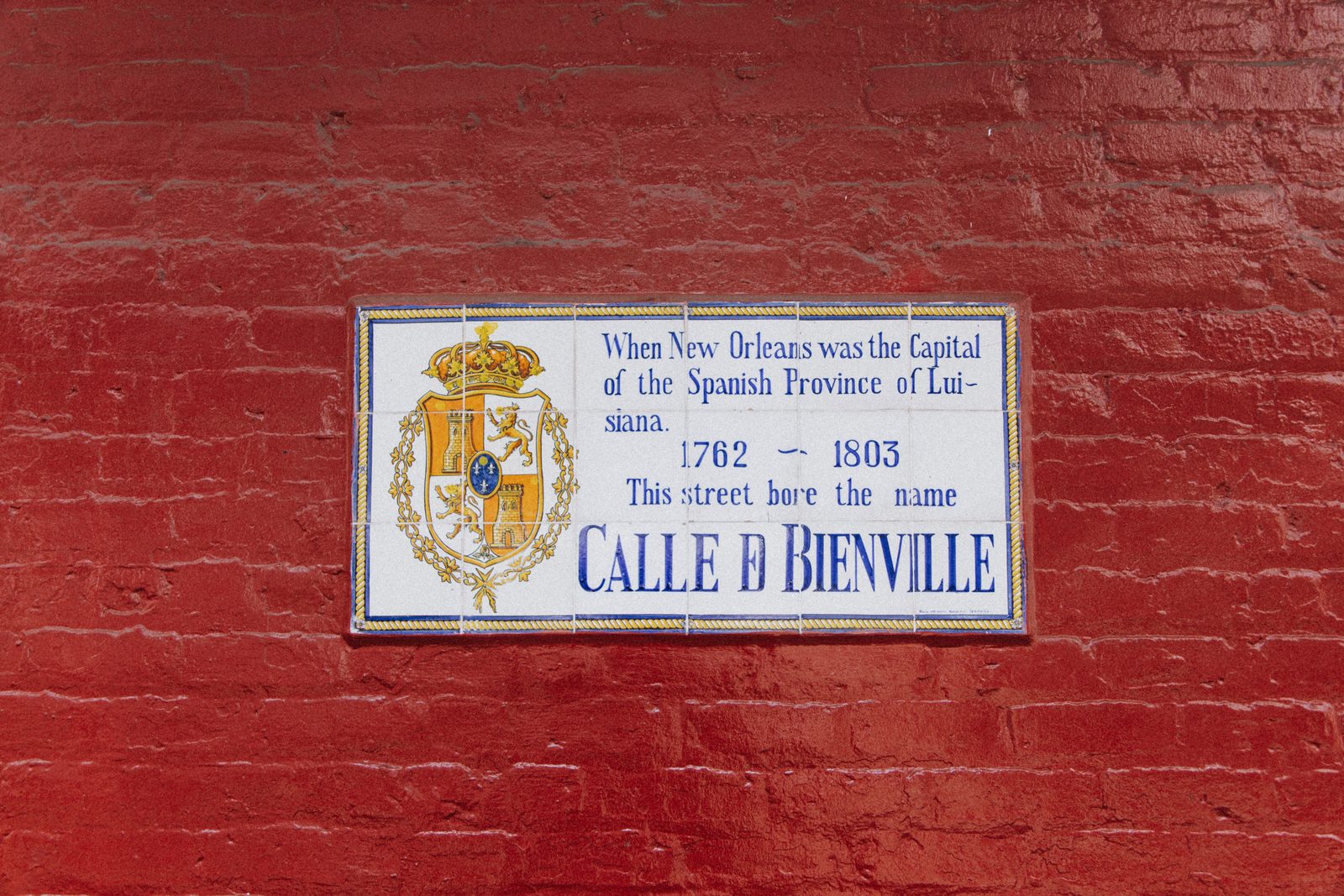
Treme sits immediately north of the French Quarter, separated by little more than a wide street, and is widely recognized as the oldest historically Black neighborhood in the United States, a place where free people of color built a community, churches, and cultural institutions well before the Civil War. Congo Square, on Treme’s edge, is where enslaved and free Black residents gathered on Sundays in the 18th and 19th centuries to play music, dance, and trade, a tradition that historians trace as a direct root of jazz itself. The neighborhood gave its name to the HBO series that dramatized its post-Katrina recovery, and it remains a working-class residential area with second-line parade routes and brass band culture that predates and, in a real sense, produced the tourist-facing music scene that visitors pay to hear on Frenchmen Street.
Most Quarter-only visitors never walk the few blocks north to see any of this, which means they experience jazz as a French Quarter product, played in clubs built for tourists, without ever encountering the neighborhood and the specific historical conditions that produced the music in the first place.
Gentilly and Lakeview: Two Very Different Katrina Recoveries
Gentilly and Lakeview sit on opposite sides of a comparison that reveals a lot about how New Orleans rebuilt after 2005. Both neighborhoods flooded severely when the levees failed, and both spent years afterward as case studies in how differently a city can recover depending on the income and racial composition of the people who lived there before the storm. Lakeview, historically whiter and wealthier, rebuilt relatively quickly and today is consistently ranked among the safest neighborhoods in New Orleans proper, alongside West End, the Garden District, and Lakewood/Lake Vista, according to a safety analysis from Coastal Moving Services. Gentilly, a more racially and economically mixed area with a large Vietnamese-American community concentrated in its eastern section, has had a slower, more uneven recovery, with entire blocks that still show the scars of 2005 next to blocks that have fully rebuilt, as documented in the Wikivoyage entry on Gentilly.
- Treme is widely regarded as the oldest historically Black neighborhood in the United States
- Congo Square, on Treme’s border, is a documented root of jazz’s origins
- Lakeview ranks among the safest neighborhoods in New Orleans proper post-Katrina
- Gentilly includes a significant Vietnamese-American community and a slower, patchier post-storm recovery
What Skipping These Neighborhoods Costs a Visitor
None of these neighborhoods are set up the way the French Quarter is, with a dense concentration of restaurants, bars, and attractions built for walk-in tourism. Visiting them requires a car or a rideshare, some advance research, and often a specific reason to go, a second-line parade schedule, a particular restaurant, a museum exhibit. That friction is exactly why most visitors never bother, and it is also exactly why these neighborhoods have remained more legible as actual living communities rather than as tourism product. A brass band second-line parade through Treme on a Sunday afternoon is not staged for visitors. It is a community tradition that happens whether or not anyone is watching, which is precisely what makes it different from the French Quarter’s music scene.
Why the Tourist Map Stops Where It Does
The concentration of visitors in the French Quarter and Garden District is not accidental. Those neighborhoods have the highest density of hotels, the historic architecture most heavily marketed in tourism campaigns, and decades of infrastructure investment specifically oriented around visitor spending, while neighborhoods like Tremé, Gentilly, and Lakeview were rebuilt after Katrina largely by and for residents rather than tourists, with far less hotel capacity and far less incentive for tour companies to route visitors there. The financial logic of the tourism industry naturally concentrates activity in the neighborhoods that already have the infrastructure to support it, which reinforces the divide rather than closing it over time.
That divide has real consequences for how outsiders understand the city. A visitor who only sees the French Quarter’s tourist-oriented version of jazz and Creole cuisine misses the working brass bands, second-line parades, and neighborhood restaurants of Tremé that most local musicians would argue represent the more authentic version of the same traditions being sold a few blocks away at a markup. Getting to those neighborhoods requires deliberately leaving the tourist core, which most visitors, on a short trip with a packed itinerary, simply never do.
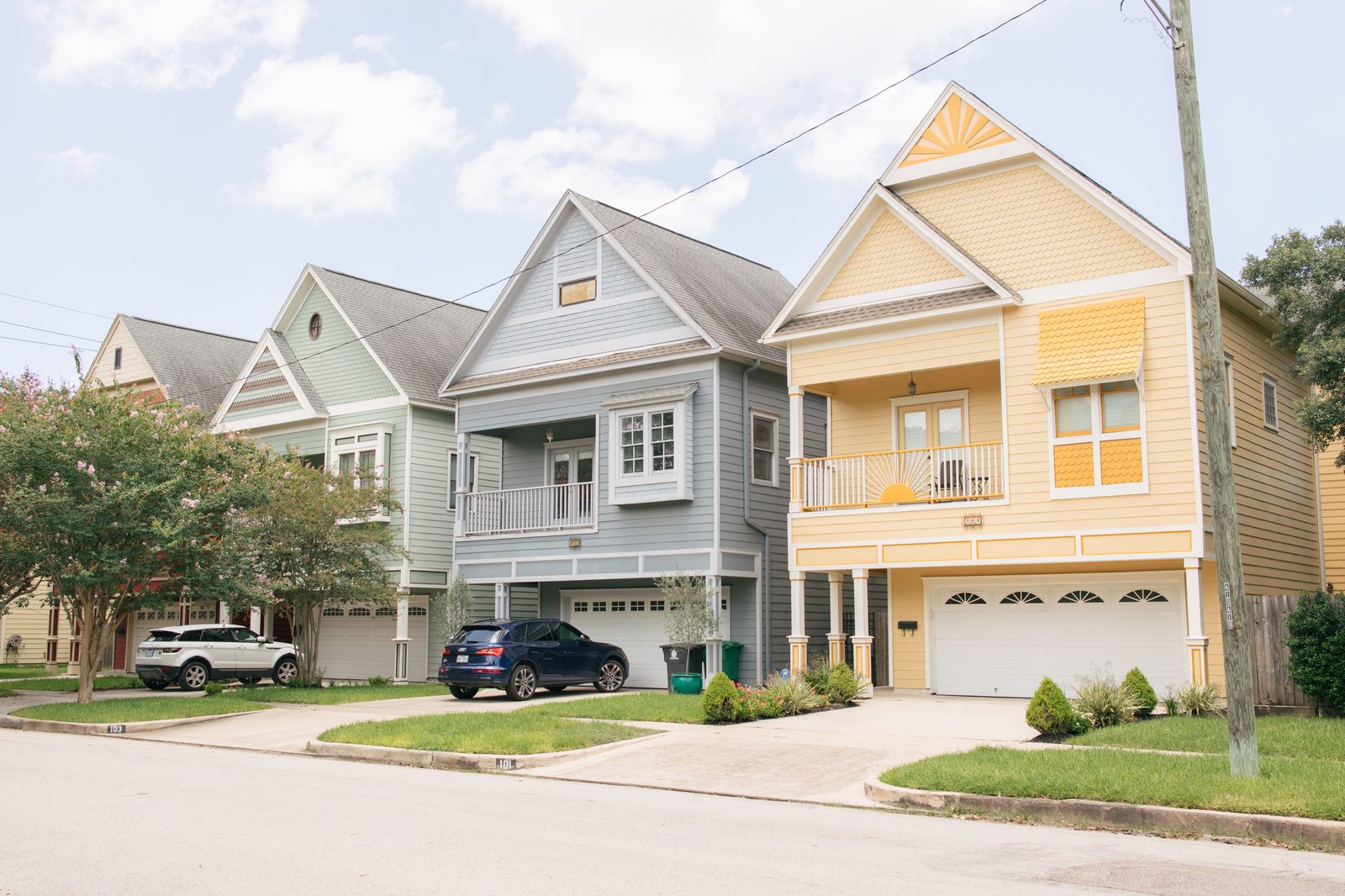
Lakeview presents a different version of the same disconnect. Rebuilt largely as a middle-class, single-family neighborhood after catastrophic Katrina flooding, it has almost no restaurants or attractions oriented toward visitors and functions as a genuinely residential part of the city, closer in character to a suburb than to the New Orleans of tourist marketing. Gentilly, similarly residential and similarly rebuilt house by house since 2005, includes Dillard University and a mix of historic and newly constructed homes that tell the real story of how New Orleans recovered from the storm, block by block, largely without tourist dollars or attention, a recovery story that gets almost no coverage compared to the well-documented rebuilding of the French Quarter and the Garden District.
The official New Orleans tourism guide does list these neighborhoods among its broader neighborhood guide, evidence that the city’s tourism apparatus knows there is more to see beyond Bourbon Street even if the average itinerary never gets there. For a visitor willing to rent a car for half a day, the payoff is a version of New Orleans that explains, rather than just performs, the culture that draws people to the city in the first place.