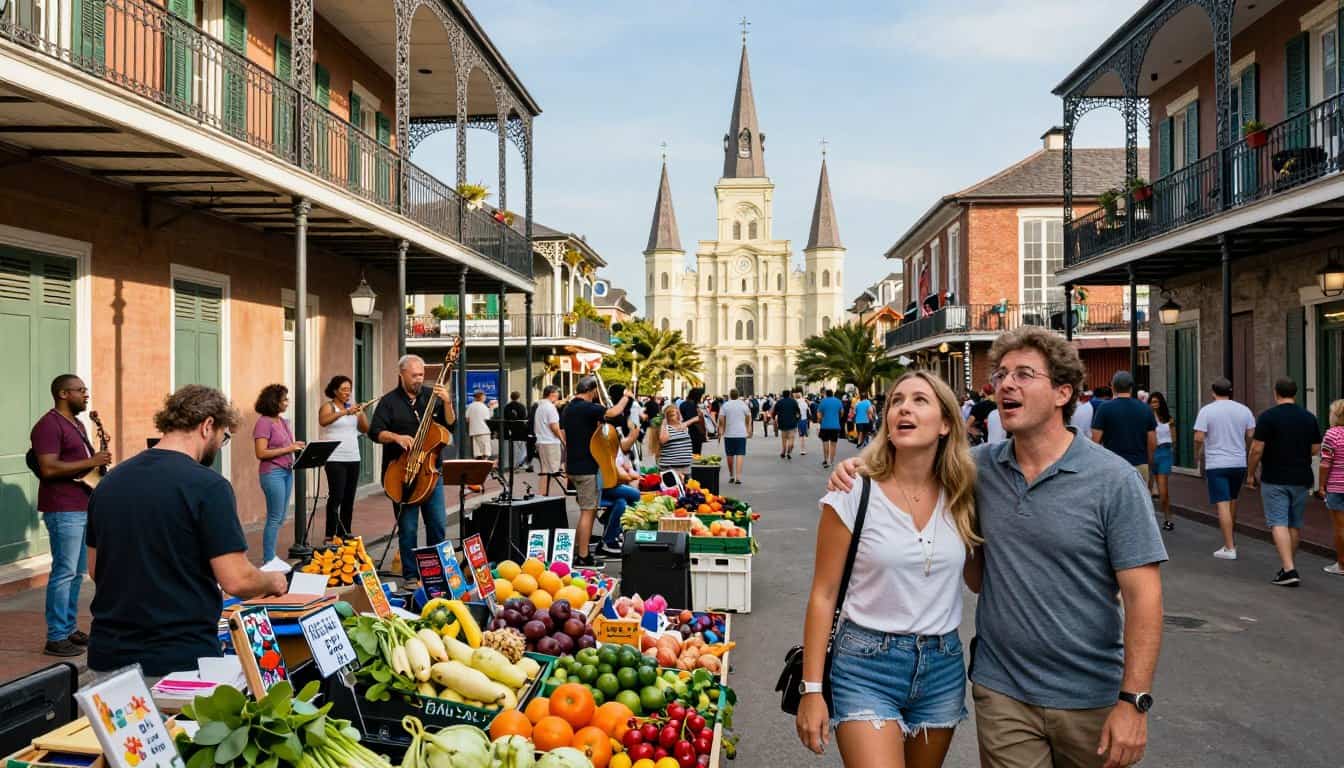
Some Hotel Rooms Feel Like Home the Second You Walk In. Designers Say It Comes Down to Five Specific Choices.
We may earn money or products from the companies mentioned in this post. This means if you click on the link and purchase the item, I will receive a small commission at no extra cost to you ... you're just helping re-supply our family's travel fund.
Hospitality designers who consult for major hotel brands describe a consistent set of variables that separate a room that feels immediately comfortable from one that feels sterile regardless of price point, and surprisingly little of it has to do with luxury materials or square footage. Lighting temperature, scent, and the presence of a small number of tactile, non-corporate objects account for a disproportionate share of the emotional first impression, according to designers who have studied guest feedback across thousands of properties.
The Science of the First Ninety Seconds
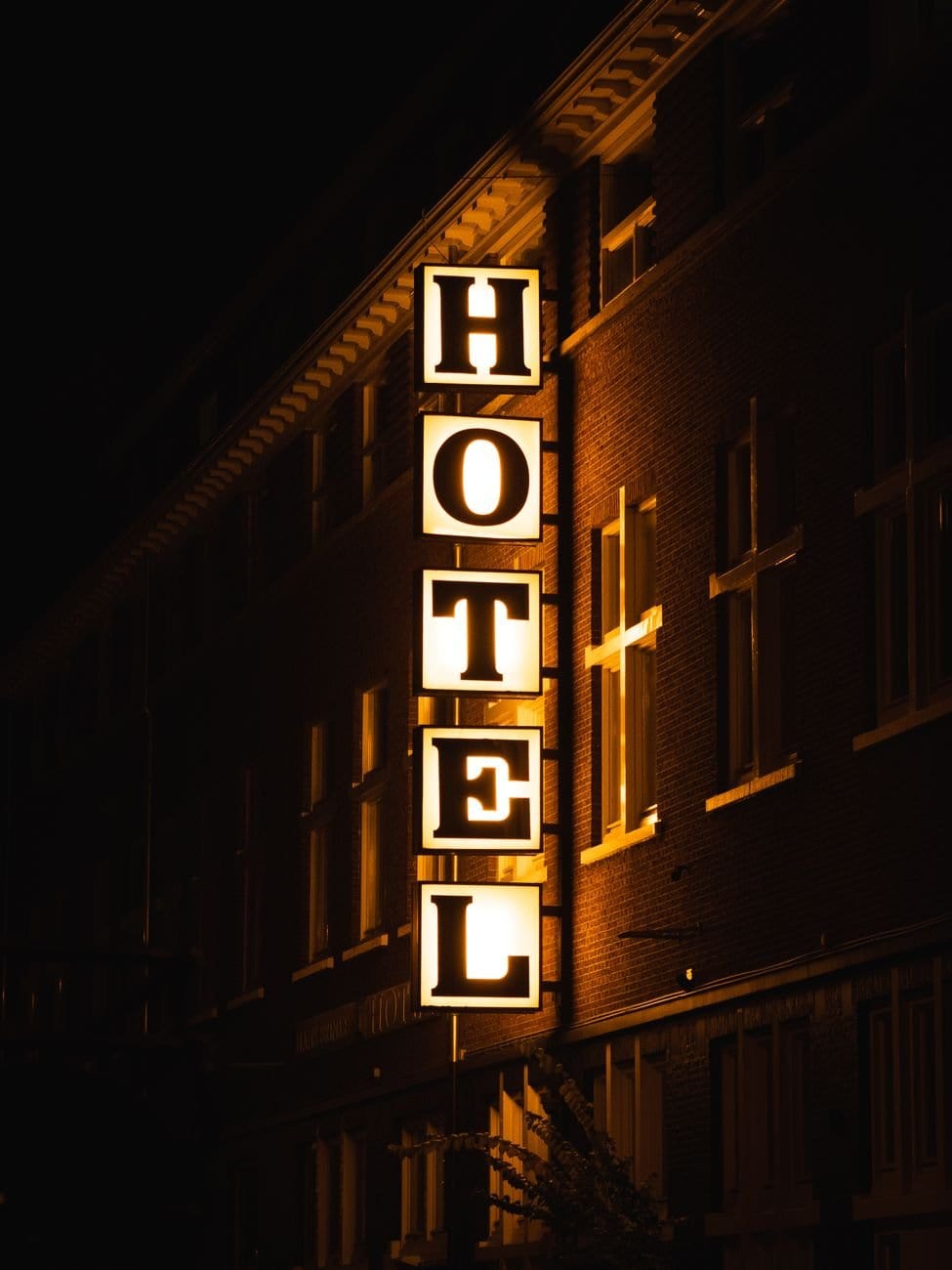
Color temperature turns out to matter enormously. Hotels using warm-toned lighting, generally in the 2700 to 3000 Kelvin range, consistently score higher on guest comfort surveys than properties using cooler, bluer lighting more common in budget chains trying to maximize perceived cleanliness, a tradeoff between feeling clean and feeling welcoming that most travelers never consciously notice but reliably respond to.
Signature scent programs, now used by most major hotel chains including Westin and Marriott’s various brands, exist specifically because scent bypasses conscious evaluation and connects directly to memory and emotion in ways visual design can’t replicate as reliably, which is why hotel lobbies increasingly smell distinctly different from one brand to the next, a deliberate branding choice rather than an accident of the cleaning products used.
What Budget Hotels Get Wrong
The Small Choices That Compound
- Overhead fluorescent lighting reads as institutional even in an otherwise nice room
- Bolted-down furniture, common in budget chains, subconsciously signals distrust of the guest
- A total absence of texture, all hard surfaces, reads as cold even when spotlessly clean
- Blackout curtains that actually work matter more to guest satisfaction than most amenities combined
Independent boutique hotels and higher-end chains have increasingly moved away from bolted furniture and generic corporate art in favor of locally sourced textiles and furniture that looks like it could exist in an actual home, a shift that research on hospitality psychology suggests directly improves perceived value even when the actual cost of the room hasn’t changed.
What all of this suggests is that the gap between a forgettable hotel stay and a memorable one often has less to do with thread count or amenity lists than with a handful of sensory decisions that cost relatively little to implement but require design teams to think about guest psychology rather than simply guest logistics, a distinction that increasingly separates hotel brands competing for the same traveler dollar in a crowded market.
Hotel review platforms have started to reflect this shift indirectly, with guest comments increasingly using language like ‘felt like a home’ or ‘felt sterile’ rather than simply rating cleanliness or amenities, suggesting travelers themselves have become more attuned to these design decisions even without knowing the specific psychological research behind why a room feels one way or the other.
What Hotel Brands Are Doing About It
Several major chains have begun explicitly training design and operations staff around these psychological findings, treating scent, lighting temperature, and tactile texture as measurable levers for guest satisfaction scores rather than aesthetic afterthoughts left entirely to individual property managers.
The properties that have invested most heavily in this approach, largely in the boutique and upper-midscale segments, have reported measurably higher repeat booking rates, suggesting the psychological research isn’t just academically interesting but genuinely affects the bottom line in a competitive lodging market.
Why Design Teams Are Paying Closer Attention Now
Online review platforms have made these psychological factors newly visible to hotel operators, since guests increasingly describe rooms in emotional terms, cozy, cold, welcoming, sterile, that map directly onto the specific lighting, scent, and texture variables designers have studied for years but rarely had this much direct guest feedback to validate against real booking behavior.
That feedback loop has accelerated adoption of design psychology principles across mid-tier hotel brands that previously left these decisions to generic corporate standards, a shift that suggests the boutique hotel aesthetic once reserved for luxury properties is gradually filtering down into more accessible price tiers as the underlying research becomes better understood industry-wide.
The Bottom Line for Hotel Guests
Travelers looking to predict whether a hotel room will feel welcoming before booking can look for specific cues in listing photos: warm lighting rather than harsh overhead lighting, visible textiles like throw pillows or woven rugs, and design language that feels locally specific rather than generic corporate modern, all signals that correlate strongly with the guest satisfaction research described above and that cost hotels relatively little to implement.
That gap between low implementation cost and high guest impact raises a real question about why so many mid-tier properties still default to the colder look, an answer that mostly comes down to institutional inertia and outdated corporate design standards passed down through decades of franchise agreements rather than any genuine budget constraint preventing a warmer approach from being adopted more broadly across the industry.