Missoula and Bozeman Are Both in Montana and Couldn’t Be More Different. Here’s What the Home Prices Reveal
We may earn money or products from the companies mentioned in this post. This means if you click on the link and purchase the item, I will receive a small commission at no extra cost to you ... you're just helping re-supply our family's travel fund.
Missoula and Bozeman get lumped together constantly as Montana’s two liberal-leaning college towns, but the resemblance mostly stops at both having a university at their center. Missoula, home to the University of Montana and about 75,000 people in its metro area, sits at the confluence of five valleys along the Clark Fork River, with a downtown built dense enough to genuinely walk end to end. Bozeman, home to Montana State University and a population that’s grown past 55,000 after being closer to 27,000 in 2000, sits an hour from Yellowstone’s northern entrances and has become the fastest-growing micropolitan area in the entire country at various points over the last decade.
That growth differential is essentially the whole story separating the two towns today. Bozeman’s proximity to Yellowstone, Big Sky Resort, and a wave of wealthy transplants, including a well-documented influx of California and Texas buyers during the pandemic, pushed home prices up faster than almost anywhere else in the Mountain West, with median prices roughly doubling in the years immediately surrounding the pandemic’s peak relocation years.
Housing Tells the Clearest Story
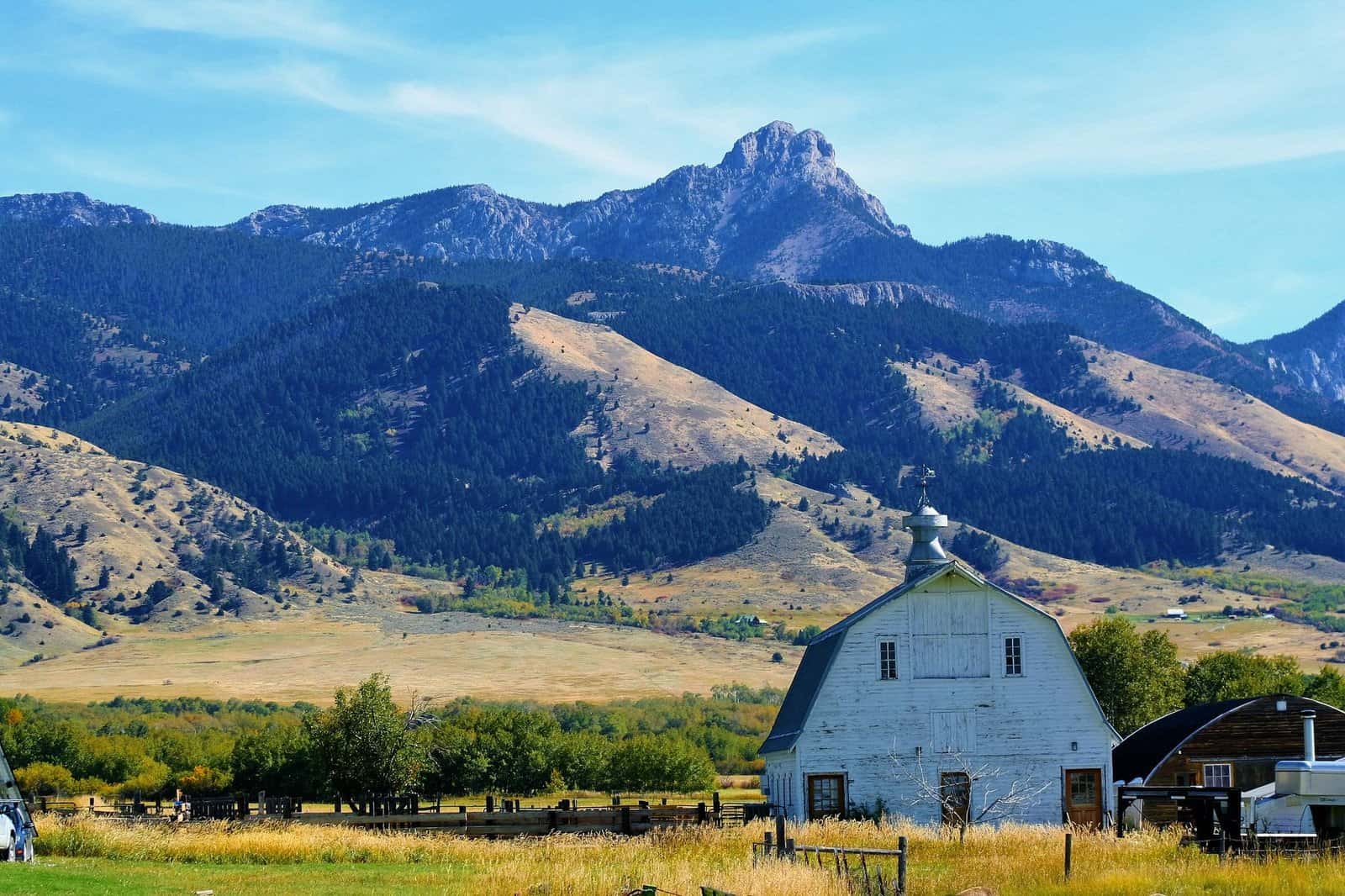
Bozeman’s median home price climbed into territory that made it, on some cost-to-income measures, less affordable relative to local wages than Los Angeles, a genuinely startling fact for a city of its size, driven by second-home buyers, Big Sky Resort’s ongoing expansion, and the ultra-wealthy membership base of the nearby Yellowstone Club in the Gallatin Valley. Missoula has also seen sharp price increases over the same period, but from a considerably lower base and without the same concentration of ultra-high-net-worth buyers actively competing for the same limited inventory.
The practical result shows up in daily life for working residents of both cities: Missoula still functions, barely, as a place where a university employee or a service worker can find housing within city limits, while Bozeman increasingly pushes its own workforce out to Belgrade, Manhattan, and other surrounding towns, creating commute patterns that simply didn’t exist in the region fifteen years ago.
The University Cultures Diverge Too
University of Montana leans toward humanities, journalism, and law, and Missoula’s broader identity, home to the headquarters of several wilderness and conservation organizations, a strong independent bookstore and brewery scene, and a downtown arts walk that’s run monthly for decades, reflects that academic orientation directly. Montana State leans engineering, agriculture, and increasingly a fast-growing tech and biotech sector, giving Bozeman’s economy a distinctly different character: more startups, more outdoor gear companies headquartered locally, and a downtown that has seen far more new construction over the last decade than Missoula’s has.
Both universities draw a significant number of out-of-state students specifically for the outdoor recreation access each town offers, but the career pipelines that follow graduation increasingly diverge, with Bozeman graduates more likely to stay and join the area’s growing technology and outdoor industry employers, while Missoula graduates spread more broadly across public interest law, journalism, and conservation nonprofit work nationally.
Politics Reflect the Growth Patterns
Missoula County has voted reliably Democratic for decades and functions as the left-leaning anchor of western Montana politics, with a city government that has pursued policies, including a $15 minimum wage push and tenant protection measures, well to the left of the state legislature sitting in Helena. Gallatin County, home to Bozeman, has trended more competitive and more rapidly shifting politically, as an influx of wealthy transplants and a large working-class service and construction workforce needed to support the ongoing growth create a more genuinely mixed electorate than Missoula’s more settled base.
Both cities remain liberal islands in a state that votes reliably Republican in statewide elections, but Missoula’s politics feel settled and predictable from cycle to cycle, while Bozeman’s politics feel like they are still actively being determined by whoever happens to move in next and how quickly the surrounding valley keeps growing.
What Visitors Actually Notice on the Ground
Missoula’s downtown feels lived-in and slightly worn in the way college towns with real history often do, with the Clark Fork River accessible by a network of pedestrian bridges and a riverside park system that residents use daily rather than only on weekends. Bozeman’s downtown, by contrast, feels newer and more polished, with a wave of high-end outdoor retail and restaurants that cater as much to second-home owners and wealthy visitors passing through en route to Big Sky or Yellowstone as to year-round residents.
Both towns share the same core appeal that drew people to Montana in the first place: genuine mountain access minutes from downtown, a strong beer and coffee culture, and a scale small enough that running into people you know at the grocery store remains a near-daily occurrence, even as both cities work through what rapid growth has done to that same small-town feeling.
What Each City’s Airport Growth Reveals
Bozeman Yellowstone International Airport has become one of the busiest airports in Montana, adding direct flights to major coastal hubs at a pace that tracks almost exactly with the second-home buying boom in the surrounding valley, while Missoula’s smaller airport has grown more modestly, reflecting a visitor base weighted more toward regional drive-in tourism and university-related travel than wealthy out-of-state second-home owners flying in for a weekend at a time.
Both airports have struggled with the same construction and staffing bottlenecks affecting mountain-region infrastructure generally, but Bozeman’s growth curve has forced a more urgent expansion timeline, with terminal construction becoming a near-constant feature of the airport experience there in recent years as passenger numbers keep outpacing projections made just a few years earlier.
Which Town Actually Fits a Given Visitor Better
Visitors drawn to a slightly grittier, more affordable college-town atmosphere with easy river access and a strong live music and brewery scene tend to gravitate toward Missoula, while visitors chasing proximity to Yellowstone, Big Sky’s ski terrain, and a more polished, resort-adjacent feel tend to prefer Bozeman despite its noticeably higher price tag for lodging, dining, and everyday goods across the board.
Neither comparison is really about which town is objectively better, longtime Montanans are quick to point out, so much as which set of tradeoffs, cost against access, grit against polish, a visitor or prospective resident actually prefers, a framing that has become something of a standard disclaimer anytime the two towns come up in the same conversation among people who actually live in either one.