Instagram Turned a Handful of Places Into Must-See Destinations Overnight. What Happened to Those Places After Is the Part Nobody Talks About
We may earn money or products from the companies mentioned in this post. This means if you click on the link and purchase the item, I will receive a small commission at no extra cost to you ... you're just helping re-supply our family's travel fund.
A specific wave of destinations became globally famous not through traditional tourism marketing but through Instagram virality in the mid-to-late 2010s: Iceland’s Diamond Beach and Skógafoss waterfall, Bali’s Tegallalang rice terraces, the Wave Rock formations of the American Southwest, and countless smaller spots that appeared repeatedly in travel influencer feeds until they became bucket-list items for people who had never previously considered visiting. What happened to those places after the algorithm moved on is a less-told but arguably more important story than how they became famous in the first place.
Iceland Is the Clearest Case Study
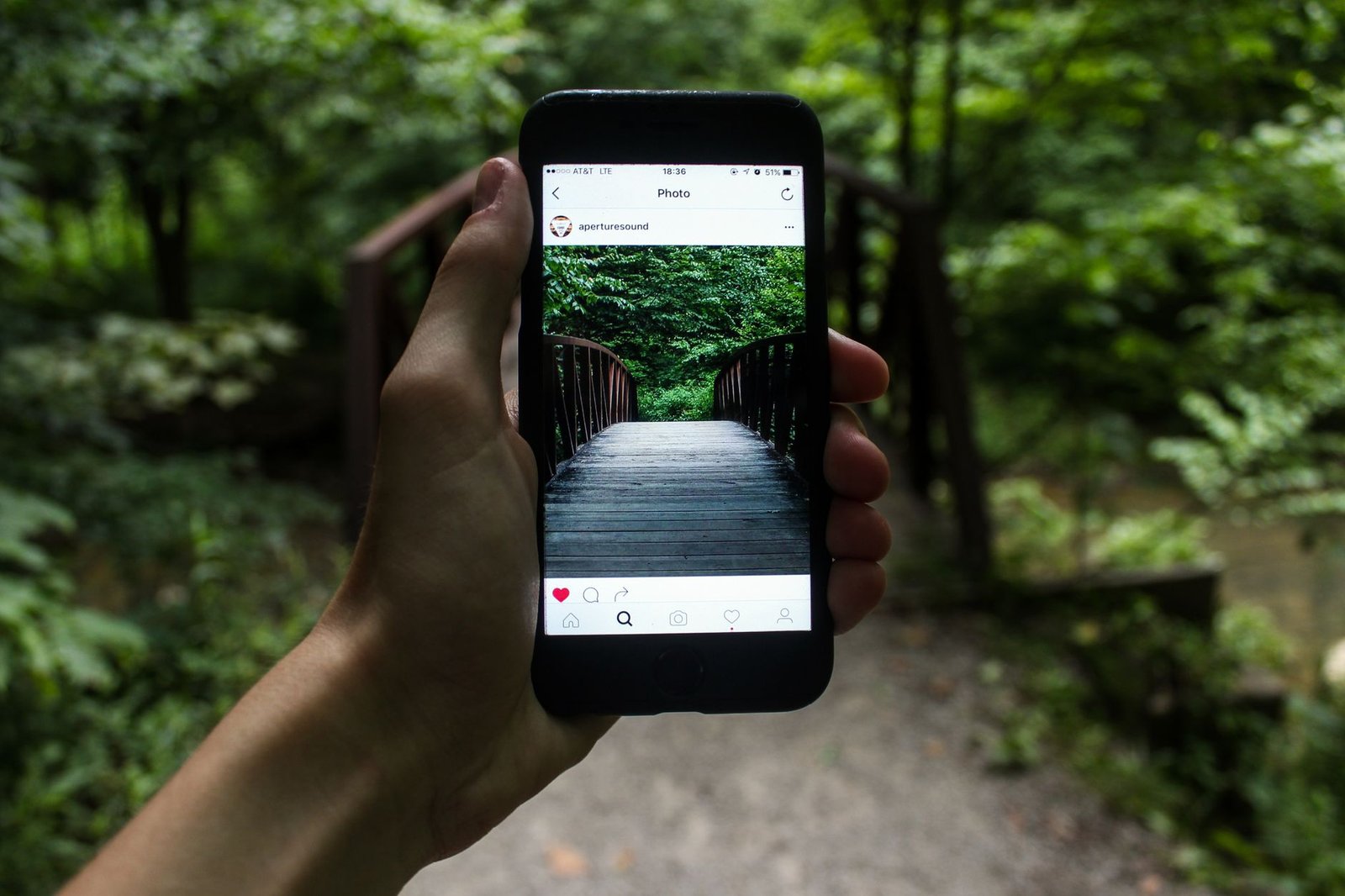
Iceland’s tourism numbers tell the story bluntly: annual visitor arrivals grew from around half a million in 2010 to over 2 million by 2018, a roughly fourfold increase concentrated heavily around the exact period Instagram became the dominant platform for travel discovery. Specific sites that had previously seen light, mostly local traffic — certain waterfalls, black sand beaches, ice caves — became so heavily visited that Iceland’s government and tourism board had to build formal infrastructure, parking lots, boardwalks, ticketing systems, that simply hadn’t existed before, in some cases installing barriers specifically to stop visitors from standing in dangerous spots purely to replicate a photo they’d seen online.
The Places That Went Viral First Aged Differently
Places that experienced the earliest wave of Instagram fame, roughly 2014 to 2017, have generally had more time to adapt infrastructure and manage crowds, even if imperfectly, than places that go viral more suddenly today. Bali’s Tegallalang rice terraces, for instance, evolved a whole secondary economy of entrance fees, swing installations built explicitly for photos, and vendor stalls that didn’t exist before the location’s fame, essentially retrofitting the site into a purpose-built photo attraction that only loosely resembles the working agricultural landscape that originally made it interesting. This kind of adaptation — turning an organically discovered, authentic place into an intentionally engineered photo backdrop — has become such a common pattern that some destinations now design new attractions specifically to be Instagram-optimized from the start, skipping the organic discovery phase entirely.
Local Communities Bore Most of the Adjustment Cost
The communities living near sites that went viral rarely had any say in the process and often bore the practical costs of managing a sudden, unplanned surge in visitors: overwhelmed local roads, strain on water and waste infrastructure never designed for the volume, and in several documented cases, actual environmental damage to the natural features that made the location attractive in the first place, from trampled vegetation to erosion at unofficial trails formed purely to get a specific camera angle. Some destinations have responded by capping visitor numbers, charging entrance fees specifically targeted at day-trippers, or in a few cases actively removing geotagging information and discouraging location tagging in an attempt to slow the next viral wave before it overwhelms a still-recovering site.
- Iceland’s visitor numbers roughly quadrupled between 2010 and 2018, concentrated in the Instagram era
- Sites that went viral earliest generally had more time to build formal infrastructure
- Some locations, like Bali’s rice terraces, evolved secondary photo-driven economies around the original attraction
- Environmental damage from off-trail photo-seeking is now a documented pattern at multiple viral natural sites
The Pattern Has Repeated Enough to Predict
Enough destinations have now gone through this specific arc — organic discovery, viral spread, infrastructure scramble, and eventual either successful adaptation or degraded overexposure — that tourism researchers can describe it as a predictable lifecycle rather than a series of isolated incidents. What’s changed since the earliest cases is that some destinations have gotten proactive, building capacity and management systems in anticipation of virality rather than reacting to it after the fact, having watched what happened to Iceland and Bali closely enough to want a different outcome for themselves.
TikTok Accelerated Everything Instagram Started
TikTok’s rise since 2020 has compressed the viral discovery-to-overtourism timeline even further than Instagram originally did, with some locations going from relatively unknown to overwhelmed within weeks rather than the years-long buildup that characterized earlier Instagram-driven destinations. The platform’s algorithm-driven, short-form video format spreads specific locations faster and to larger audiences than Instagram’s more follower-based model ever did, giving destinations even less time to prepare infrastructure or manage crowds before a surge arrives, a dynamic tourism boards in several countries have specifically cited as a growing management challenge distinct from the earlier Instagram era.
Some Places Are Now Actively Refusing the Attention
A small but growing number of destinations, having watched other locations get overwhelmed, have taken the unusual step of actively discouraging viral attention rather than welcoming it, asking visitors not to geotag specific locations or declining to participate in influencer marketing partnerships that previously would have been an easy win for a tourism board. This represents a genuine shift in how some destinations think about visibility, treating viral fame less as an unambiguous economic opportunity and more as a resource that needs to be managed carefully, with real limits, rather than maximized without regard for what happens to the actual place once the attention arrives.
The next viral destination is likely already accumulating views somewhere on a For You page right now, and whether it ends up looking more like Iceland’s well-managed adaptation or a smaller, less-resourced community overwhelmed too quickly will depend heavily on lessons the tourism industry is still in the middle of learning.
Academic researchers studying overtourism have begun publishing specific carrying-capacity guidelines for natural sites, translating anecdotal observations about trail erosion and infrastructure strain into concrete visitor-per-day thresholds that a growing number of destinations have started adopting as formal policy rather than treating visitor volume as an unlimited good worth maximizing regardless of environmental cost.
Researchers tracking geotagged social media posts against subsequent visitor volume increases have found a measurable, fairly consistent lag time between a location’s first viral post and its peak visitor surge, typically somewhere between six months and two years depending on the platform and the destination’s existing profile, giving well-resourced tourism boards at least a narrow planning window if they’re paying close enough attention to catch the early signal.