Green Bay Has the Most Dedicated NFL Fan Base in America. Here’s What It’s Like to Actually Visit on Game Day
We may earn money or products from the companies mentioned in this post. This means if you click on the link and purchase the item, I will receive a small commission at no extra cost to you ... you're just helping re-supply our family's travel fund.
Green Bay, Wisconsin is the smallest city with a major professional sports franchise in the United States — population 108,000, and the Green Bay Packers are community-owned, which means the team cannot be relocated and the city’s identity is permanently bound to football in a way that no other NFL city quite replicates. On a Packers home game day, the experience of being in Green Bay is unlike anything else in American sports travel.
What a Lambeau Field Game Day Visit Actually Looks Like
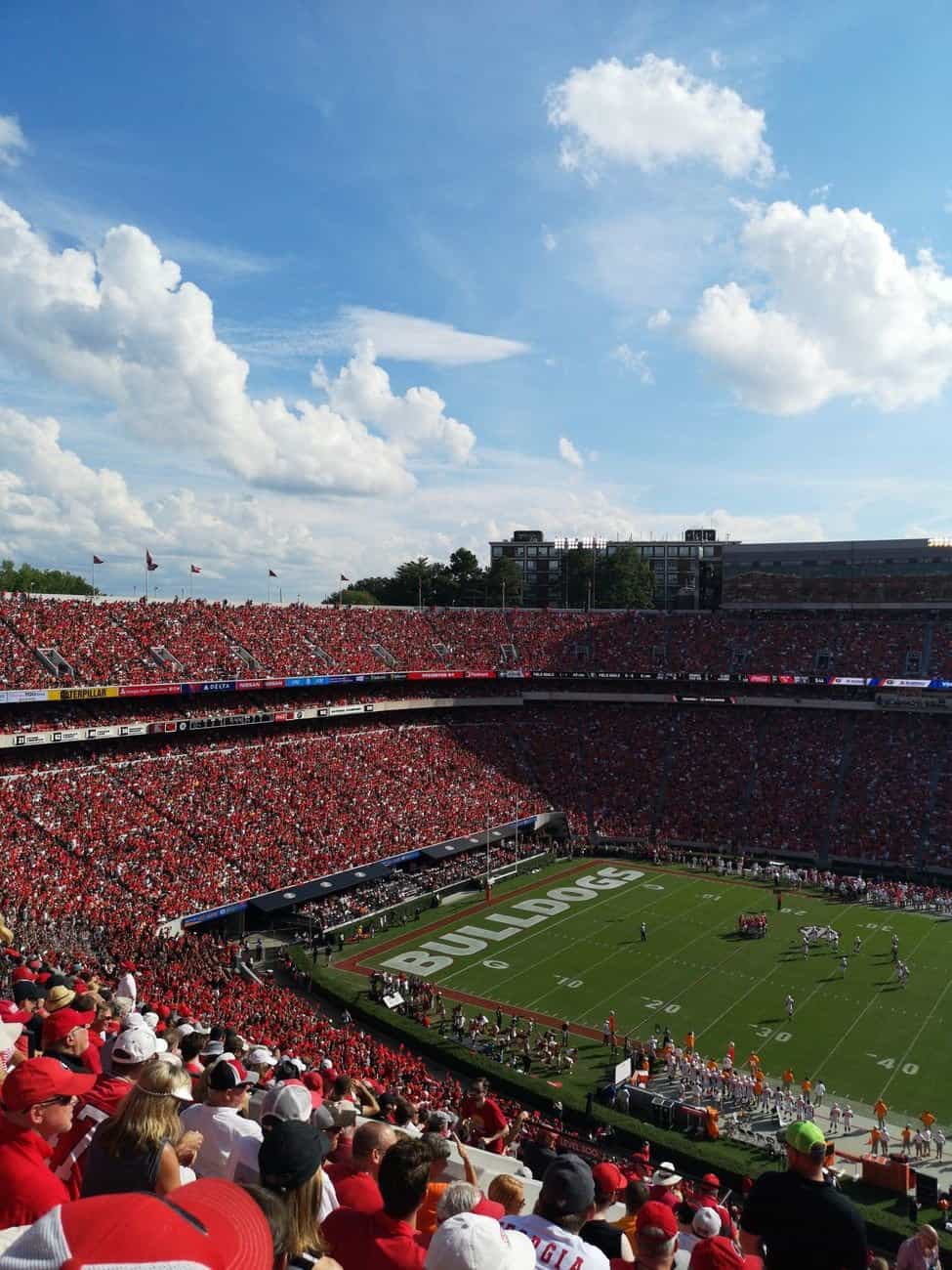
Tickets to Packers games are almost exclusively available on the secondary market — the wait list for season tickets has over 80,000 names on it and new applicants wait decades. Secondary market tickets for a typical home game run $150–$400 for upper deck seats, $400–$800 for lower level, and significantly more for premium games. This is important logistical information: you’re not walking up to a box office on game day. Plan your ticket purchase weeks in advance from StubHub, SeatGeek, or Packers official resale.
The Tailgate Culture
The Lambeau Field parking lots open 4 hours before kickoff and fill with one of the most genuine tailgate cultures in the NFL. What’s distinctive about Green Bay is the scale relative to the city: when 73,000 people gather in a city of 108,000, the entire community is affected in visible ways. Restaurants and bars on Holmgren Way and surrounding streets are packed. The neighborhoods immediately around the stadium have residents who open their yards for parking and tailgating — some of these have been operating for generations. The community ownership model means the money generated by those tailgate interactions stays in Green Bay in ways it doesn’t in markets where teams are owned by distant investment groups.
The Lambeau Field Atrium
Lambeau Field’s Atrium is open year-round as a museum, restaurant, and gift shop complex. The Packers Hall of Fame inside is one of the better sports museums in the country — the history of the franchise, from Curly Lambeau to Vince Lombardi to Brett Favre to Aaron Rodgers, is told well and comprehensively. Stadium tours run daily when the team isn’t playing. For football history enthusiasts, visiting Lambeau on a non-game day provides access and atmosphere that a game day’s crowds and ticket prices don’t always improve upon.
Green Bay Beyond Football Season
Green Bay sits on the bay of Green Bay on Lake Michigan’s western shore, and the waterfront provides summer access to one of the Great Lakes that most people don’t associate with Wisconsin. The National Railroad Museum has the most significant collection of 20th-century American locomotives in the country. The Neville Public Museum covers the natural and human history of the region competently. And Door County — the peninsula north of Green Bay that extends into Lake Michigan — is one of the most scenically beautiful shoreline areas in the Midwest, with cherry orchards, small harbors, and a waterfront character that attracts visitors from throughout the upper Midwest specifically for summer and fall visits.
A Packers home game is one of the genuinely authentic American sports experiences — not manufactured, not corporate in the way most NFL stadiums have become, but rooted in a community’s ownership of something they actually own and actually care about. Plan it in advance, buy tickets early, arrive 4 hours before kickoff, and eat a brat from a parking lot grill on Holmgren Way. That’s the experience.