Ozark Riverways Has 134 Miles of River—The Current and Springs Are What Make This Trip Cost More Than Gas
We may earn money or products from the companies mentioned in this post. This means if you click on the link and purchase the item, I will receive a small commission at no extra cost to you ... you're just helping re-supply our family's travel fund.
Ozark National Scenic Riverways protects 134 miles of the Current and Jacks Fork rivers in southern Missouri, along with some of the largest springs in the country. Entry is free, so many first-timers assume the trip costs little more than gas. It rarely does. The current, the springs and the remoteness of the area are what make the experience, and they are also what add the shuttle fees, rentals and lodging costs.
Plan on roughly $150 to $400 per person for a long weekend, depending on how you sleep and how you float. The sections below break down what you pay for and why, and how to keep the total reasonable.
What an Ozark National Scenic Riverways Trip Really Costs
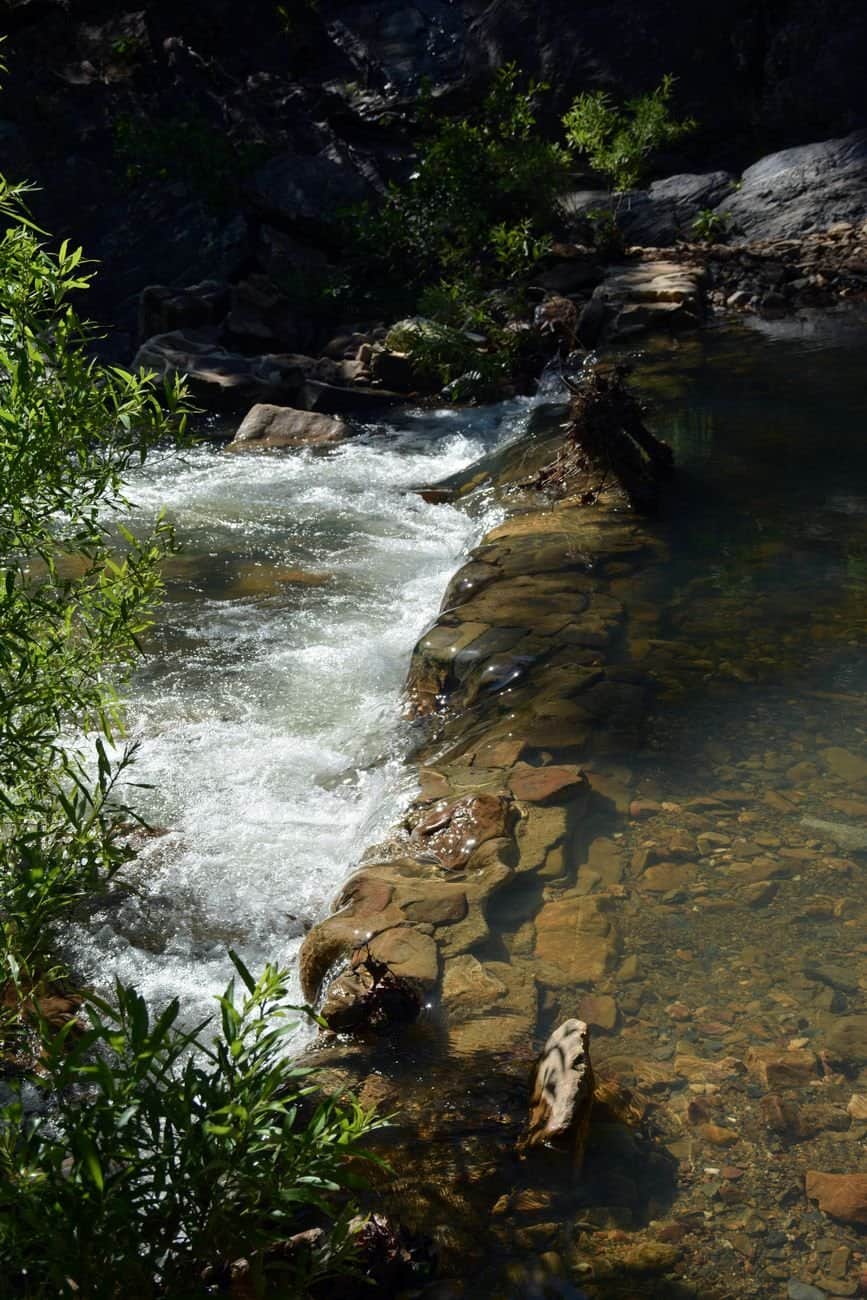
The Riverways were established in 1964 as the first national park unit to protect a river system, and they stretch through several counties in the southeastern Missouri Ozarks. The Current River is the larger of the two, running clear and cold from springs, and the Jacks Fork is narrower and more intimate, with bluffs and quicker water in spring.
Because the park has no entry fee, the cost sits in everything that makes the float possible:
- Canoe, kayak or raft rental: Typically about $30 to $60 per person for a day trip, or $60 to $100 per canoe, with price varying by outfitter and trip length.
- Shuttle: Included in most rentals, but private shuttles and self-guided trips can cost $20 to $40 per vehicle.
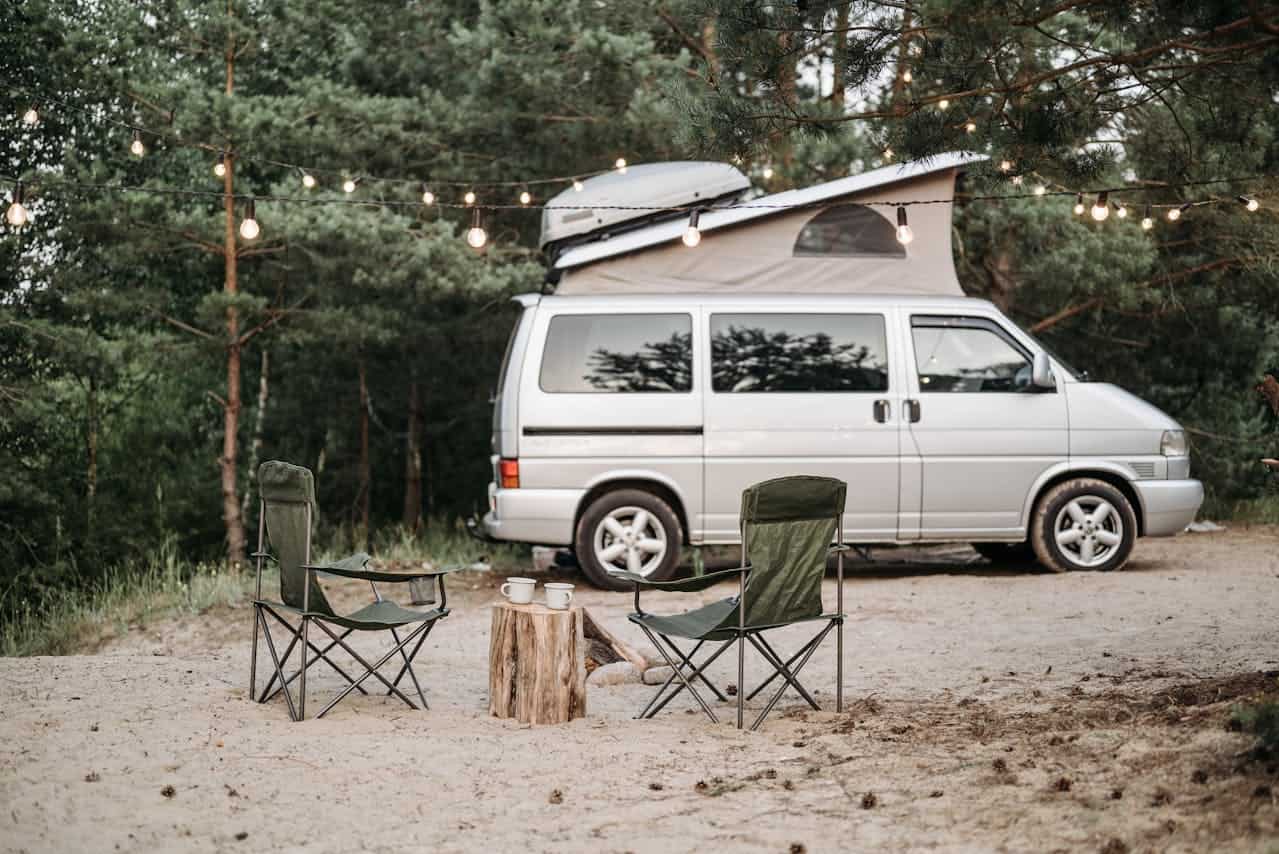
- Camping: National park campgrounds commonly run about $20 to $30 a night for standard sites, with private campgrounds costing more for hookups or riverfront spots.
- Cabins and lodging: Basic cabins near Eminence, Van Buren and Round Spring often cost $100 to $200 a night, with higher rates on summer weekends.
- Food and supplies: Ice, firewood, groceries and a restaurant meal or two typically add $40 to $80 per person per day.
Why the shuttle matters
Floating a river in one direction means you need a ride back to your car. That is the hidden cost: outfitters run shuttles to put-in points and pick you up at takeouts, and that service is included in most rental prices. If you bring your own boat, you will pay for a shuttle or arrange to leave one vehicle at the end. Distances on a river are long, so what looks like a quick float on a map can mean a 20-mile drive to the put-in.
The Current and the Springs
The reason people pay is the water. The Current River is fed by large springs, including Big Spring, one of the largest in North America, which pours out hundreds of millions of gallons a day at a steady temperature of about 58 degrees. Alley Spring, with its red mill, is among the most photographed spots in the state, and Round Spring and Blue Spring each offer their own deep, colored pools.
The cold water keeps the river clear and flowing in summer, when many Midwestern rivers get warm and murky. It also makes the float more demanding than it looks. A tube or canoe ride takes four to eight hours, depending on the stretch, and cold water means that an unexpected swim is a shock. Wear a life jacket, bring a dry bag and follow outfitters’ advice about water levels.
Choosing a stretch
The Current River is often floated in sections from Cedar Grove to Akers, Akers to Pulltite, and Pulltite to Round Spring, each running about 8 to 14 miles. Longer sections to Two Rivers and Van Buren are better for overnight trips. The Jacks Fork is often floated from Alley Spring to Eminence, with tighter turns and more bluffs, and it can be too shallow in late summer.
Ask your outfitter about the current river level. In spring, higher water makes floats faster and sometimes dangerous, and in late summer low water means dragging a canoe over gravel. Rates usually do not change with water levels, so choose the time of year with that in mind.
Camping vs. Cabins vs. Day Trips
Camping is the cheapest way to see the river. National park campgrounds at Round Spring, Alley Spring, Pulltite and Big Spring offer sites for about $20 to $30 a night, and gravel bars and backcountry areas allow primitive camping at little or no cost, subject to park rules. Bring everything you need, including water, because services are scarce.
Cabins and motels add comfort and cost. Eminence, the gateway town for the Jacks Fork and the upper Current, has a courthouse square, a few restaurants and a cluster of lodging options. Van Buren, farther south, has more services. Expect to pay more on summer weekends and holiday weekends, and book well ahead.
Day trips from Springfield or St. Louis can save lodging, but the drives are long. Eminence is about three hours from St. Louis and a bit over two hours from Springfield. If you do not want to camp, one night in a cabin makes the logistics easier.
Other Costs Worth Planning For
A few extras can surprise first-timers:
- Cell coverage is limited, so download maps and bring cash for small shops and outfitters.
- Fuel is not available in the park, and towns like Eminence and Van Buren are the main refueling points.
- Cave tours at Round Spring and other sites run about $10 to $25 per person, with seasonal hours.
- Ice and firewood are sold at campgrounds and stores, and local rules may limit bringing in firewood from outside the area.
- Tube rentals are cheaper than canoes, but they require a longer shuttle for the same stretch.
When to Go
Late spring through early fall is the main float season. May and June bring good water levels, warm days and fewer crowds than July and August. Summer weekends are busy, especially near Fourth of July, when put-ins and campgrounds fill. September is a favorite for locals, with clear water, thinner crowds and cooler nights. Winter is quiet and many outfitters close.
If you are on a budget, go midweek in June or September, when rental prices are the same but crowds and lodging costs are lower. Weekday floats also feel more like the park the name promises.
Floating Safely and Respectfully
A float on a clear river looks easy, and that is when people get into trouble. Cold water can sap strength quickly, and a river with logjams, called strainers, can trap boats. Wear a life jacket, stay out of fast water you cannot read and keep your boat pointed downstream. Alcohol is a common factor in accidents, and the park enforces rules about glass containers, so bring cans and pack a trash bag.
Park rules also protect the river itself. Pack out all trash, avoid cutting live trees for fires and stay off private land along the banks unless it is a marked public access. Local outfitters know the river well, so ask them about the current conditions before you launch.
Caves and other detours
The Ozarks’ limestone has more to offer than water. Round Spring Cave offers lantern-lit ranger tours in some seasons, and nearby Devils Well, a collapsed cave with an underground lake, is among the area’s more unusual sites. Johnson’s Shut-Ins State Park, though not part of the Riverways, is an hour and a half east and offers natural water slides through volcanic rock.
Making the Trip Cheaper
The lowest-cost version of this trip is simple: camp, cook your own food and float in a group. Splitting a canoe between two or three people cuts the per-person rental cost, and a group campsite spreads the fee. A cooler of groceries bought in a regional town such as Salem or Rolla costs far less than restaurant meals, and it avoids long drives in search of dinner.
Another saving is travel timing. Tube rentals cost less in the shoulder seasons, when many outfitters run discounts or weekday specials. If you are camping, reserve in advance in summer, because national park sites can fill up on weekends. Ask each outfitter for the full price, including the shuttle and any equipment, so you can compare options fairly.
Where to Base Yourself
Eminence is the most convenient base for most visitors because it sits near both rivers, has outfitters, groceries and a few restaurants, and lies within 20 minutes of Alley Spring, Round Spring and several campgrounds. Van Buren works better if you want the lower Current River, Big Spring and a little more variety in motels and restaurants. Salem is the larger gateway on the northern side, with more shopping and chain hotels, but it is farther from the water.
If you are bringing children, choose a base with a swimming spot nearby. Alley Spring and Blue Spring offer short walks to the water, and the rivers have gravel bars where kids can wade. Check for posted warnings and current levels at park visitor centers, which also sell maps and offer ranger advice for first-timers.
Planning the Money
For a couple doing a three-day camping trip with one float, a realistic budget looks like this: $120 for canoe rental and shuttle, $60 for camping, $150 for groceries, ice and a restaurant meal, and $60 for gas from St. Louis or Springfield, or about $390 total, or roughly $195 each. A cabin version of the same trip typically costs $600 to $900 for two.
The Riverways are a good value for what they offer, which is clear water, caves and springs in a part of the country where public access is rare. The trick is to count the full cost before you go, so the trip stays enjoyable instead of becoming a surprise at the checkout.