Boise Says It Invented the Finger Steak. Here’s the Real Story Behind Idaho’s Favorite Bar Food
We may earn money or products from the companies mentioned in this post. This means if you click on the link and purchase the item, I will receive a small commission at no extra cost to you ... you're just helping re-supply our family's travel fund.
Order Idaho finger steaks at a Boise bar or drive-in and you get strips of beef, battered and deep-fried until crisp, usually with fries and a dipping sauce. Boise likes to call them a local invention. The real story is that they are most often traced to a cook named Milo Bybee and a Boise bar called the Torch Lounge, but nobody can prove who made them first.
Here is the short version. Bybee claimed he came up with the idea while working as a butcher for the U.S. Forest Service in McCall, Idaho, trying to use up leftover tenderloin scraps. He went to work as a chef at the Torch in Boise in 1946, and finger steaks are said to have been on the menu there by 1957. Other accounts credit the Torch’s original owners, or point to log drives near Lewiston.
That uncertainty has not stopped Idaho from claiming the dish. Here is what we actually know.
The real story behind Idaho finger steaks
The most widely repeated origin story centers on Milo Bybee. According to the Wikipedia summary of the dish’s history and reporting from the Idaho Statesman, Bybee said he invented finger steaks while working as a butcher for the U.S. Forest Service in McCall, a mountain town north of Boise. Faced with tenderloin scraps that were too good to waste, he cut them into strips, battered them, and fried them.
Bybee later became a chef at the Torch Lounge in Boise, starting in 1946. The Torch is commonly cited as the first restaurant to serve finger steaks, with the dish appearing there by 1957. From there, the idea spread to other bars, drive-ins, and diners around the Treasure Valley.
Why the claim is disputed
Even the local paper has hedged. In 2013, when the Idaho Statesman named finger steaks one of its “150 Boise Icons” to mark the city’s sesquicentennial, it called them “Boise originals” but also said the truth about whether they were invented in Boise “is one of those things that can never be proved.”
There are at least two competing stories. One says the recipe came from the Torch’s original owners, Floyd and Elnora “Shorty” Johnson, rather than Bybee. Another credits log drives near Lewiston in northern Idaho, where cooks are said to have battered and fried beef that might have been on its way to spoiling, making it safe and palatable.
What every version shares is Idaho. No credible competing claim puts the origin outside the state.
The quarter that almost was
Finger steaks are so tied to Idaho identity that when the state was gathering ideas for its 50 State Quarters design in the early 2000s, one suggestion, reportedly written on a napkin and sent to the state arts commission, proposed doing “something with the fact that Idaho is the home of finger steaks.” The final quarter featured a peregrine falcon and the state outline instead, but the story shows how far the dish has worked its way into local pride.
What finger steaks actually are
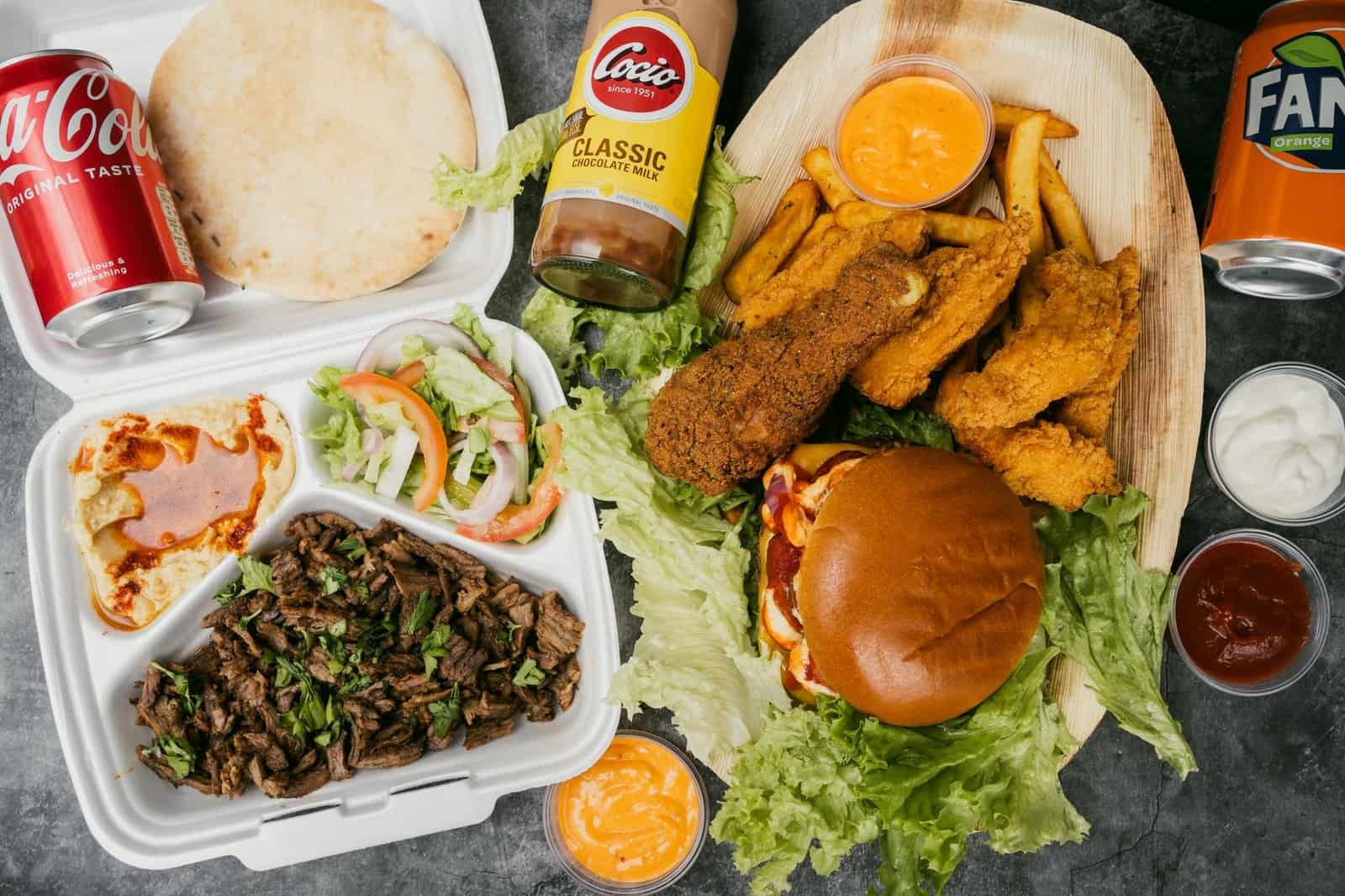
If you have never had one, a finger steak is not chicken-fried steak cut small, and it is not a beef nugget. It is a strip of real steak, often sirloin or another tender cut, about the size of a finger. The beef is dipped in batter, sometimes a tempura-style batter and sometimes a breading closer to what you would find on fried chicken, and then deep-fried until golden.
A good finger steak is crisp outside and tender inside. The beef should still taste like beef. A bad one is chewy, greasy, or more breading than meat. The quality depends heavily on the cut and the cook.
They usually arrive in a basket or on a plate with:
- French fries or tater tots, which makes sense in a potato state.
- Cocktail sauce, the classic pairing, with horseradish and ketchup.
- Fry sauce, the pink mix of ketchup and mayonnaise popular across Idaho and Utah.
- Sometimes ranch dressing or a side of coleslaw.
Where you find Idaho finger steaks
Finger steaks are most at home in the places they grew up: neighborhood bars, old-school drive-ins, and family diners around Boise, Meridian, Nampa, and the rest of the Treasure Valley. They also show up on menus across southern Idaho and in parts of eastern Oregon and Utah.
You will rarely find them in upscale restaurants, though some modern spots in Boise have put their own spin on the dish. The best way to find a good one is to ask a local which bar or drive-in they grew up going to. Everybody has a favorite, and the arguments can get spirited.
How to order like a local
A few tips help when you order:
- Ask whether the finger steaks are made in-house from fresh beef or come frozen. House-made versions are usually better.
- Try them with both cocktail sauce and fry sauce if the kitchen offers both.
- Eat them quickly. Like most fried food, they lose their crunch as they cool.
- Pair them with a local beer or a milkshake, depending on whether you are at a bar or a drive-in.
Why finger steaks matter to Idaho
Idaho’s food reputation tends to start and end with potatoes. Finger steaks give the state another dish it can call its own, and they reflect the ranching and working-class history of the region. Idaho has a large cattle industry, and a dish built around frying up good beef scraps fits that history.
Finger steaks also represent a style of mid-century American dining that has disappeared in many places: the neighborhood bar with a full menu, the drive-in with a carhop window, and the family diner where the cook knows regulars by name. In Boise, many of those places still exist, and finger steaks are often one of the reasons people keep coming back.
How to make finger steaks at home
If you want to try making them yourself, the basic method is simple. Cut a tender steak into finger-size strips. Season the beef, dip it in a batter made from flour, milk or beer, egg, and spices, and fry it in hot oil until golden brown and cooked through. Drain on a rack or paper towels and serve immediately with your sauce of choice.
Home cooks argue over details: whether to marinate first, what kind of batter to use, and which cut gives the best texture. Many Idaho families have their own version. The Idaho Statesman has even reported on recipes circulating online that claim to be the original Torch formula, with no way to confirm them.
Finger steaks and Idaho’s other bar foods
Finger steaks sit alongside other regional favorites in Idaho’s bar-and-drive-in culture. Fry sauce, the pink condiment of ketchup and mayonnaise, is equally popular across the state line in Utah. Idaho’s potato pride shows up in everything from loaded baked potatoes to finger steaks served with a mountain of fries.
If you are visiting Boise, a finger steak basket makes a good first meal. It is cheap, filling, and tells you something real about the place. You might not settle the question of who invented them, but you will understand why Idaho keeps claiming them anyway.
Finger steaks vs. similar fried beef dishes
Visitors sometimes confuse finger steaks with dishes they already know. Here is how they compare:
- Chicken-fried steak: A whole cutlet of tenderized beef, breaded and pan-fried, usually smothered in white gravy. Finger steaks are strips, not a cutlet, and they are rarely served with gravy.
- Steak fingers: A Texas and Southern school-cafeteria item, often made from ground or processed beef shaped into strips. Idaho finger steaks are usually made from whole-muscle steak.
- Beef tempura: Japanese tempura batter is light and lacy. Some Idaho kitchens use a tempura-style batter, which is one reason people sometimes compare the two.
- Chicken strips: The closest cousin in shape and serving style, but finger steaks are made with beef and have a richer, meatier flavor.
That distinction matters to Idahoans. Calling a finger steak a steak finger is a quick way to get corrected.
What to expect on the bill
Finger steaks are bar and diner food, so they are usually priced like a casual entree rather than a steak dinner. A basket with fries is commonly in the range of a burger platter to a little more, depending on the restaurant and the portion. Upscale versions made with premium cuts cost more. Either way, it is one of the more affordable ways to eat beef in a state known for its cattle.
The bottom line
The documented story goes like this: a former Forest Service butcher from McCall said he invented finger steaks to use tenderloin scraps, he cooked at Boise’s Torch Lounge starting in 1946, and the dish is said to have been served there by 1957. Competing stories credit the Torch’s founders or Lewiston log drives. All of them point to Idaho, and that is what Boise is really claiming when it calls finger steaks its own.