Why Carbondale Feels So Far From St. Louis Even Though It’s Only 100 Miles Away
We may earn money or products from the companies mentioned in this post. This means if you click on the link and purchase the item, I will receive a small commission at no extra cost to you ... you're just helping re-supply our family's travel fund.
Carbondale sits in southern Illinois, roughly 100 miles southeast of St. Louis and far from the Chicago-centered image that dominates the state. It is the home of Southern Illinois University Carbondale and one of the best entry points to a region long called Little Egypt. The nickname has competing origin stories, but its cultural function is clear: it signals that the bottom of Illinois has a distinct landscape, history, and pace.
The southern edge of Illinois has its own center
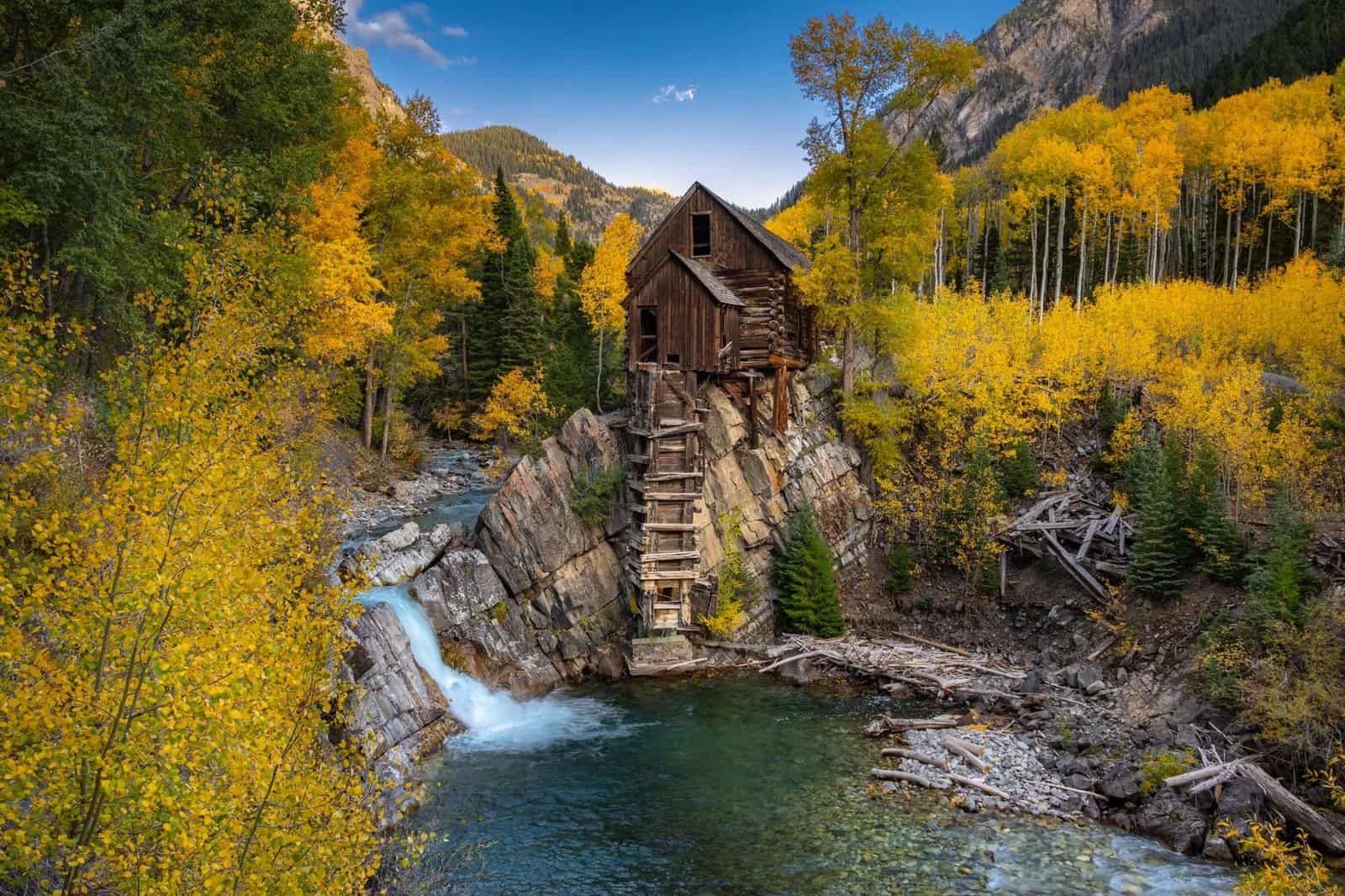
Carbondale’s population is around 22,000, though the university changes the city’s scale during the academic year. The Shawnee National Forest, Giant City State Park, and the Cache River wetlands create a geography more associated with bluffs, forests, and wetlands than cornfield shorthand. Amtrak’s City of New Orleans stops in town, a small but important connection in a region where distance and road access shape choices.
SIU gives a small city a wider orbit
The university brings lectures, arts events, sports, students, and the service economy that follows them. Downtown and the Strip carry traces of different eras of campus life, while neighborhoods beyond them include faculty homes, rentals, longtime residents, and commercial corridors built for driving. The best way to understand Carbondale is to alternate town and landscape: breakfast near campus, an afternoon among sandstone bluffs or cypress wetlands, then a return to a place where the college calendar still sets the volume.
A university town beyond the interstate image
The region’s isolation is specific. Bigger-city hospitals, airports, and retail choices are not around the corner, and the population base can make businesses vulnerable to university enrollment changes. Yet the same distance preserves a kind of scale that crowded destination regions cannot offer. Trails can be accessible without an arrival ritual, and local conversations are rarely abstracted from the surrounding counties.
Isolation is a condition, not a flaw
Carbondale is not for travelers demanding a polished downtown at every turn. It is for people willing to see why a public university and a large national forest matter to each other. Spend enough time to reach the parks, support independent businesses, and avoid treating Little Egypt as a slogan. Its strongest appeal is that southern Illinois does not have to resemble the rest of the state to be worth a trip.
- Use Carbondale as a base for Giant City and Shawnee National Forest outings.
- Check trail conditions after storms; sandstone and wetlands change quickly.
- Look at the SIU calendar for performances and events.
- Do not underestimate drive times between natural areas.
- Ride or visit the Amtrak stop if rail access fits the itinerary.
What an attentive visit changes
The most useful way to approach this subject is to separate a memorable image from the system that produces it. The southern edge of Illinois has its own center is not an abstract theme; it is visible in schedules, property choices, staffing, roads, and the small decisions that residents make every week. A traveler does not need expert credentials to notice those connections. They do need enough time to look past the quickest version of the story and enough humility to avoid mistaking a short stay for total knowledge.
That distinction changes the itinerary. Instead of trying to collect every landmark, leave room for a normal block, a local meal at an ordinary hour, a bus or walk that follows daily movement, and a conversation in which the visitor listens more than they perform expertise. The point is not to claim an insider identity after a weekend. It is to come away with a better question about how place, work, culture, and money fit together.
Pay attention to the operating details
Operating details often explain more than promotional language. Look at when a street is busy, how long the drive actually takes, what people carry out of shops, where public space ends, and whether an attraction depends on a fragile landscape or a workforce with limited housing. These observations make travel more interesting because they restore cause and effect. A beautiful view can remain beautiful while becoming less anonymous.
There is also a practical benefit. Travelers who plan with context are less likely to arrive at the wrong hour, overbook a day, ignore seasonal constraints, or spend all their money inside the most expensive corridor. They can make choices that are kinder to their own energy and more useful to the places hosting them. The result is not a perfect trip. It is a trip that has a chance to be both enjoyable and proportionate.
This approach also leaves room for disagreement and change. Local conditions evolve: a storefront closes, a route gains service, a storm alters access, a new employer shifts demand, or a community decides that an old arrangement no longer works. Treating a destination as fixed makes every update look like a disappointment. Treating it as a living place makes updates part of the reason to return. The traveler’s job is not to preserve a preferred image of somewhere else. It is to arrive prepared, observe carefully, and accept that the people who live there have a longer relationship with its future. That is why a return visit can be more valuable than a larger checklist: familiarity makes the changes visible, and it makes a guest less likely to confuse novelty with importance. It can also make a traveler more patient with an imperfect day, more considerate about capacity, and more willing to find value outside the single attraction that originally prompted the trip. Over time, this habit produces a more durable travel memory: not just a record of where someone went, but a more grounded account of how the place worked while they were there. The added context makes recommendations more useful because it explains who benefits, what is fragile, and why a detail that seems minor may shape a local day.
Little Egypt rewards the longer drive
Carbondale explains southern Illinois by making the distance visible. It is a small university city with forests, bluffs, wetlands, and a regional identity that is not borrowed from Chicago or St. Louis. Little Egypt may sound like a nickname, but the cultural and geographic separation it describes is felt the moment the interstate turns into local roads.