Moab Homes Hit Seven Figures — The Vacation-Rental Boom Left Locals Paying the Price
We may earn money or products from the companies mentioned in this post. This means if you click on the link and purchase the item, I will receive a small commission at no extra cost to you ... you're just helping re-supply our family's travel fund.
Moab has fewer than 6,000 residents and an international name because Arches and Canyonlands national parks sit at its edges. That imbalance explains much of the housing story. A town built around tourism, recreation, government work, and service businesses has had to absorb demand from second-home owners, remote workers, and short-term rental investors. In recent years, typical home values and sale prices have repeatedly entered seven-figure territory for portions of the market, a startling figure for a small desert community.
A desert town with global demand
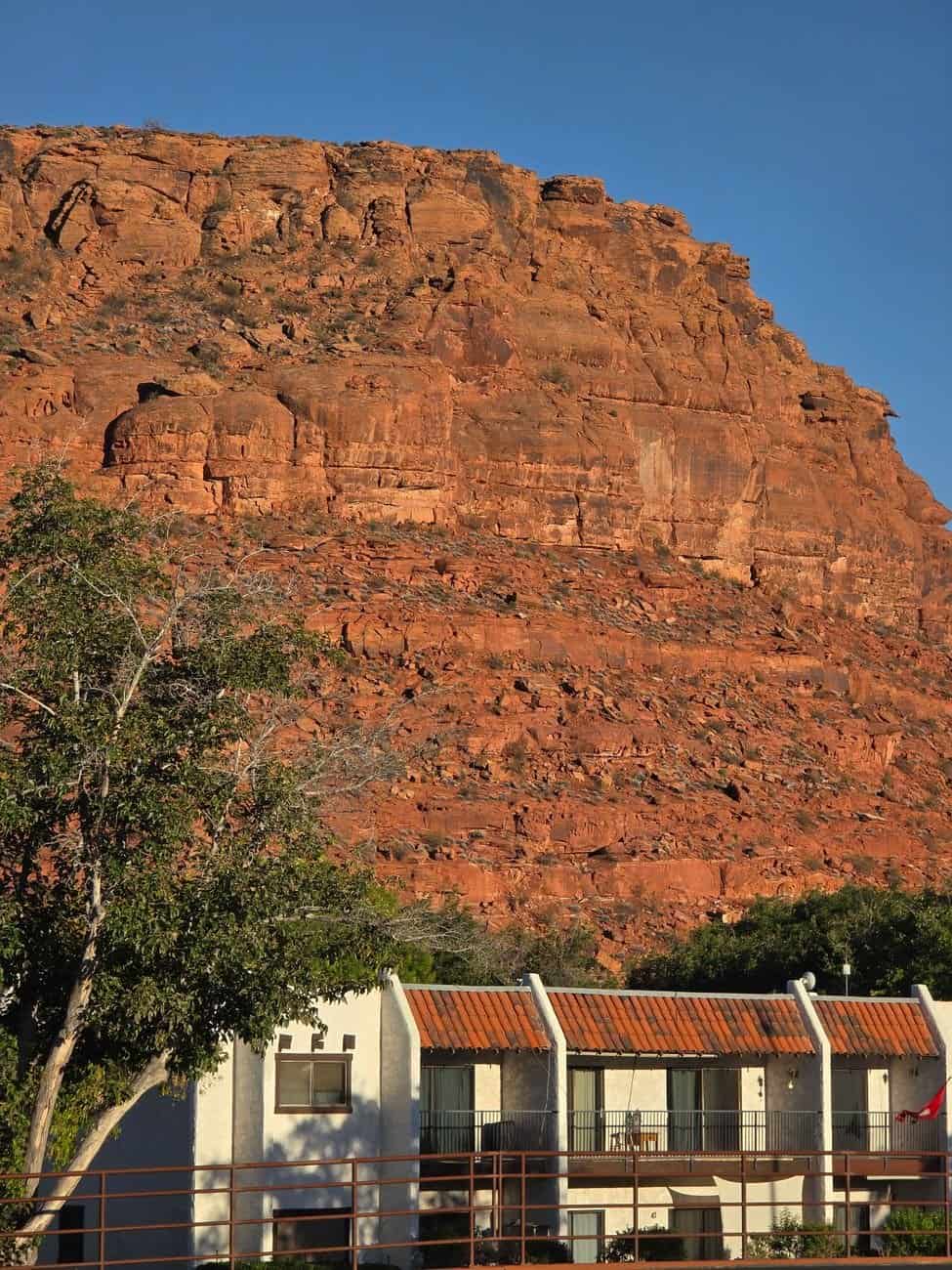
The red-rock setting is finite, and much surrounding land is public, protected, or constrained by terrain and infrastructure. Main Street carries the visitor economy in plain sight: hotels, gear shops, restaurants, jeep tours, and seasonal traffic. Behind it are the ordinary needs that tourism cannot replace: daycare, health care, teachers, restaurant workers, tradespeople, and leases stable enough to plan around. The supply of a rentable home affects all of those systems.
Visitor beds compete with worker homes
Year-round residents experience a Moab that early visitors often do not see. Summer heat changes schedules. Spring and fall bring crowds that strain parking, trails, and restaurant staffing. Winter can be comparatively calm, though it is not empty. Families organize school pickups around a small-town road network; workers juggle multiple jobs; outdoor access sits alongside water limits and the cost of being far from a large metro. The scenery is permanent, but the market has made staying less certain.
Two national parks do not explain every price
Short-term rentals are not the only force on prices, and they are not inherently the sole villain. Construction costs, limited land, investor demand, and regional wages all matter. But converting homes from long-term leases into visitor inventory can intensify scarcity in a place with few alternatives. That is why local debates over permits and zoning carry so much weight. They are debates over the housing needed to keep the town’s restaurants, schools, and public services functioning.
The year-round economy needs year-round leases
Visitors cannot solve the housing market with one booking decision, but they can avoid pretending their choice is neutral. Stay in regulated lodging, visit outside peak weeks when possible, and spend beyond the park entrance. More importantly, recognize that Moab’s image of unrestricted escape depends on a community with very restricted room to house itself.
- Book permitted lodging and do not assume every online listing follows local rules.
- Visit Arches and Canyonlands with timed-entry or reservation requirements checked in advance.
- Avoid peak heat for hikes and carry far more water than a city walk requires.
- Spend in town on rest days, not only at national-park concession points.
- Respect trail closures, cryptobiotic soil, and parking limits as part of the landscape’s capacity.
What an attentive visit changes
The most useful way to approach this subject is to separate a memorable image from the system that produces it. A desert town with global demand is not an abstract theme; it is visible in schedules, property choices, staffing, roads, and the small decisions that residents make every week. A traveler does not need expert credentials to notice those connections. They do need enough time to look past the quickest version of the story and enough humility to avoid mistaking a short stay for total knowledge.
That distinction changes the itinerary. Instead of trying to collect every landmark, leave room for a normal block, a local meal at an ordinary hour, a bus or walk that follows daily movement, and a conversation in which the visitor listens more than they perform expertise. The point is not to claim an insider identity after a weekend. It is to come away with a better question about how place, work, culture, and money fit together.
Pay attention to the operating details
Operating details often explain more than promotional language. Look at when a street is busy, how long the drive actually takes, what people carry out of shops, where public space ends, and whether an attraction depends on a fragile landscape or a workforce with limited housing. These observations make travel more interesting because they restore cause and effect. A beautiful view can remain beautiful while becoming less anonymous.
There is also a practical benefit. Travelers who plan with context are less likely to arrive at the wrong hour, overbook a day, ignore seasonal constraints, or spend all their money inside the most expensive corridor. They can make choices that are kinder to their own energy and more useful to the places hosting them. The result is not a perfect trip. It is a trip that has a chance to be both enjoyable and proportionate.
This approach also leaves room for disagreement and change. Local conditions evolve: a storefront closes, a route gains service, a storm alters access, a new employer shifts demand, or a community decides that an old arrangement no longer works. Treating a destination as fixed makes every update look like a disappointment. Treating it as a living place makes updates part of the reason to return. The traveler’s job is not to preserve a preferred image of somewhere else. It is to arrive prepared, observe carefully, and accept that the people who live there have a longer relationship with its future. That is why a return visit can be more valuable than a larger checklist: familiarity makes the changes visible, and it makes a guest less likely to confuse novelty with importance. It can also make a traveler more patient with an imperfect day, more considerate about capacity, and more willing to find value outside the single attraction that originally prompted the trip. Over time, this habit produces a more durable travel memory: not just a record of where someone went, but a more grounded account of how the place worked while they were there. The added context makes recommendations more useful because it explains who benefits, what is fragile, and why a detail that seems minor may shape a local day.
Moab is more than a park gateway
Moab remains extraordinary because the desert around it is extraordinary. Its difficult question is whether a town of working residents can remain inside the success of that landscape. A seven-figure housing headline does not capture every block, but it makes the tension impossible to dismiss: the place people come to experience is also the place other people must be able to live.