A Tucson Hot Dog Stand Won a James Beard Award in 2018. 7 Things That Make the Sonoran Dog Different
We may earn money or products from the companies mentioned in this post. This means if you click on the link and purchase the item, I will receive a small commission at no extra cost to you ... you're just helping re-supply our family's travel fund.
In 2018, the James Beard Foundation gave one of its America’s Classics awards to El Güero Canelo, a Tucson restaurant built on the Tucson Sonoran hot dog. The award honors restaurants with “timeless appeal” that serve food reflecting the character of their community. For a hot dog stand to land on that list says a lot about how seriously Tucson takes this dish.
El Güero Canelo’s owner, Daniel Contreras, opened his first Sonoran hot dog stand in 1993 at age 33. The Beard Foundation’s announcement called him the leading “hotdoguero” in Tucson and described the city as the “American epicenter” of Sonoran hot dogs, according to Tucson Foodie’s report on the award. The dish itself originated across the border in Hermosillo, the capital of the Mexican state of Sonora.
If you have only eaten ballpark franks or Chicago dogs, the Sonoran version will surprise you. Here are seven things that make it different.
What makes the Tucson Sonoran hot dog different
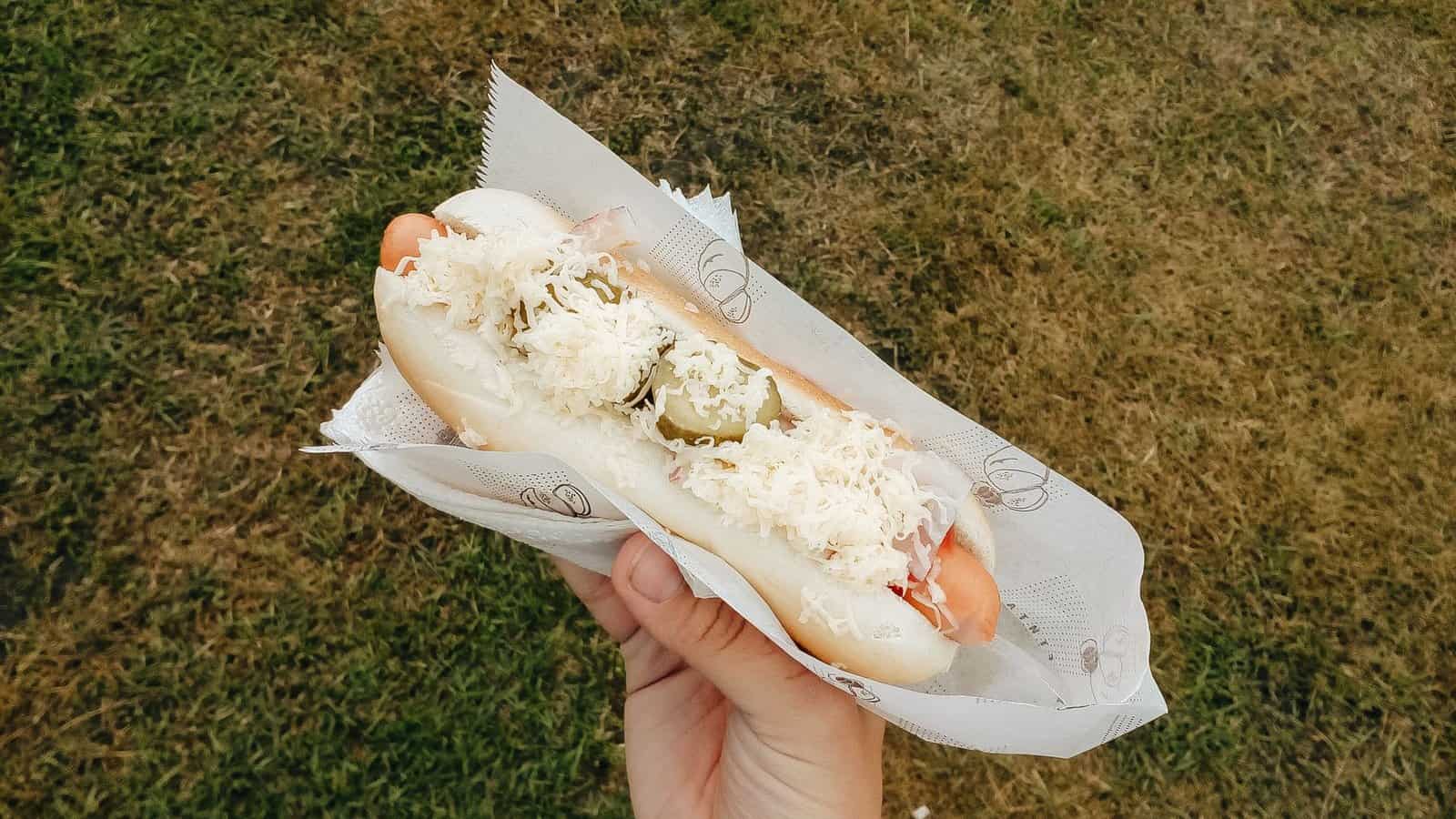
At first glance, a Sonoran dog looks like an overloaded hot dog. But each element has a purpose, and the way they come together is what makes it distinct. It is closer to a full meal than a snack, and it is one of the clearest examples of how Tucson’s food culture blends influences from both sides of the border.
1. The hot dog is wrapped in bacon
The foundation of a Sonoran dog is a hot dog wrapped tightly in bacon and cooked on a griddle or flat-top grill. As it cooks, the bacon crisps and renders, basting the hot dog in smoky fat. The result is a salty, crunchy outer layer around a juicy center.
This bacon wrap is the first thing that separates the Sonoran dog from most American regional styles. Cooks often wrap the dogs ahead of time and line them up on the grill in rows, turning them until the bacon is evenly browned.
2. The bun is soft, split on top, and built like a pocket
Sonoran dogs are served in a soft, slightly sweet roll often described as a bolillo-style bun. Unlike a standard American hot dog bun split along the side, this one is typically split from the top, creating a pocket that holds the hot dog and all the toppings. The roll is usually warmed on the grill so it is soft and pliable.
Many Tucson stands buy their buns from local bakeries that specialize in this style. The bun’s structure matters: it has to hold a heavy load of toppings without falling apart.
3. Pinto beans go inside
Most hot dogs never meet a bean. A Sonoran dog almost always includes whole pinto beans spooned into the bun alongside the bacon-wrapped dog. The beans add creaminess and a mild, earthy flavor that balances the salty bacon.
Beans are one of the clearest signs of the dish’s Mexican roots. They also make the hot dog more filling, which is part of why many people treat one or two Sonoran dogs as a full meal.
4. The toppings are layered, and mayo is standard
After the beans come the toppings, which typically include:
- Diced fresh tomatoes.
- Chopped raw onions and grilled onions.
- Mustard.
- Mayonnaise, usually squeezed in a zigzag across the top.
- Jalapeño salsa or another green salsa.
Some stands also offer shredded cheese, avocado sauce, or other extras. The combination of hot and cold, crunchy and soft, rich and acidic is what gives the Sonoran dog its signature taste. Mayo on a hot dog sounds strange to many Americans, but here it ties the toppings together.
5. A roasted chile comes on the side
Many Tucson stands serve a Sonoran dog with a whole roasted or grilled chile on the side, often a yellow chile güero. The chile is usually mild to medium in heat and adds a smoky, slightly sweet note. Some people eat it between bites of the hot dog, while others chop it up and add it to the top.
At some stands, you will also find a salsa bar with grilled onions, pickled vegetables, radishes, cucumbers, and different salsas, letting you customize your plate.
6. It grew up at stands and carts
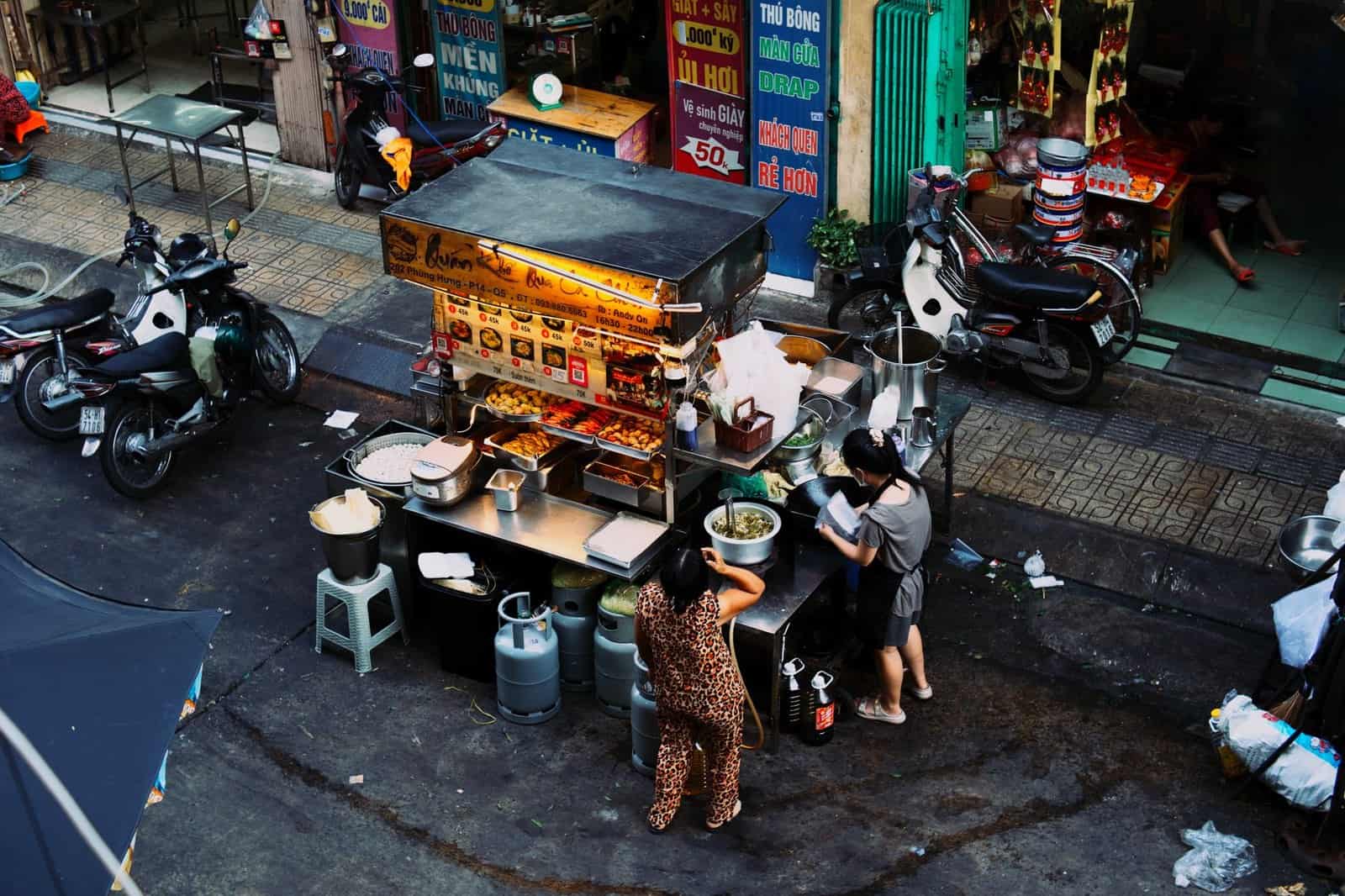
The Sonoran dog is street food at heart. In Hermosillo and in Tucson, it has long been sold from carts and small stands, often late into the evening. Many of Tucson’s most popular spots began as a single cart or parking-lot stand before growing into full restaurants.
El Güero Canelo is the best-known example. What started as one stand in 1993 grew to several Tucson locations, a meat market, and a restaurant in Phoenix, according to Tucson Foodie. Plenty of smaller stands still operate around Tucson’s south side and beyond, each with its own loyal following.
7. It is rooted in Hermosillo and Sonora
The Sonoran dog originated in Hermosillo, the capital of Sonora, Mexico, roughly 175 miles south of the border crossing at Nogales. It traveled north with families and vendors who brought the style to Arizona. Tucson’s location just over an hour from the border, and its long history as part of the Sonoran Desert region, made it a natural home.
That cross-border identity is part of why the dish matters. In Tucson, the Sonoran dog is not a novelty. It is part of daily life, eaten by construction crews at lunch, families on weekend nights, and students after class.
Why Tucson takes its food so seriously
Tucson’s food scene got international recognition in 2015 when UNESCO named it a City of Gastronomy, the first city in the United States to receive that designation. The honor recognized the region’s long agricultural history, including some of the oldest continuously farmed land in North America, and its blend of Indigenous, Mexican, and Western ranching food traditions.
The Sonoran dog fits that story. It mixes Mexican street food traditions with American ingredients like hot dogs and bacon, and it reflects how food moves back and forth across the border. Alongside dishes like carne asada, flour tortillas the size of a hubcap, and the chimichanga, which more than one Arizona restaurant claims to have invented, the Sonoran dog is one of the city’s signature foods.
How to order one in Tucson
If you are trying your first Sonoran dog, a few tips help:
- Order it the standard way first, with everything. You can customize later.
- Ask whether the stand offers a salsa bar or grilled chiles on the side.
- Get extra napkins. This is not a tidy food.
- Pair it with a Mexican soda, horchata, or agua fresca.
- Order two if you are hungry. Many people do.
Prices are generally modest, in line with street food rather than restaurant meals. Cash used to be the norm at small stands, and while many now take cards, it does not hurt to carry some cash.
Where to look
El Güero Canelo, the James Beard honoree, is the most famous name, and it is a good first stop. But Tucson has many stands and restaurants making excellent Sonoran dogs, especially on the city’s south side and along major roads like South 12th Avenue, where El Güero Canelo’s award-winning location sits.
The best approach is to try more than one and pick your own favorite. Locals often have strong opinions about which stand has the best bun, the crispiest bacon, or the hottest salsa, and debates about Tucson’s best Sonoran dog can be as passionate as arguments about pizza in New York or barbecue in Texas.
Sonoran dogs beyond Tucson
Phoenix has a growing number of Sonoran dog stands, and you will find versions in Southern California, New Mexico, and other parts of the Southwest. Some chains and restaurants outside the region have added Sonoran-style dogs to their menus.
But Tucson remains the place most associated with the dish in the United States. The James Beard Foundation called it the American epicenter for a reason. If you are visiting Southern Arizona, eating one is close to a requirement.
How to make one at home
If you want to try a Sonoran dog at home, the basic method is straightforward. Wrap a hot dog in a strip of bacon, securing the ends with a toothpick if needed. Cook it on a griddle or skillet over medium heat, turning until the bacon is crisp on all sides.
Warm a soft roll, split it from the top, and tuck in the hot dog. Add warm pinto beans, diced tomatoes, chopped onions, mustard, mayonnaise, and jalapeño salsa. Serve with a grilled chile on the side.
Finding the right bun is the hardest part outside the Southwest. A soft, slightly sweet roll is the closest substitute. It will not be quite the same as eating one at a stand on a warm Tucson evening, but it will give you a sense of why the dish earned a national award.
The bottom line
The Sonoran dog stands apart from other American hot dogs because of its bacon wrap, top-split bun, pinto beans, layered toppings with mayo and salsa, roasted chile on the side, street-cart culture, and roots in Hermosillo. When the James Beard Foundation honored El Güero Canelo in 2018, it recognized more than one restaurant. It recognized a dish that tells the story of the borderlands in a single bite.