Flagstaff Is 7,000 Feet High and 30 Miles From the Grand Canyon. Here’s Why More People Aren’t Staying There Instead
We may earn money or products from the companies mentioned in this post. This means if you click on the link and purchase the item, I will receive a small commission at no extra cost to you ... you're just helping re-supply our family's travel fund.
Every summer, millions of people drive to the South Rim of the Grand Canyon, pay $35 to enter, fight for parking, walk 50 feet from their car to the rim, take a photo, and then face the prospect of sleeping in a lodge that costs $300–$500 per night or was booked out a year in advance. About 30 miles to the south, at 7,000 feet elevation in a town with genuine character, good restaurants, and easily available hotel rooms, is Flagstaff. And most of those Grand Canyon visitors drove through it without stopping.
Why Flagstaff Is the Smarter Grand Canyon Base Camp
The Grand Canyon’s South Rim is 30 miles north of Flagstaff on AZ-180, a drive that takes 45–55 minutes depending on traffic near the entrance. That 45 minutes is all that separates staying in a $120 hotel room in Flagstaff from paying $400 for the same night at a rim lodge — if you could even get a reservation.
What Flagstaff Offers Beyond Grand Canyon Access
- Elevation: At 6,910 feet, Flagstaff summers are 20–25°F cooler than Phoenix. While Phoenix bakes at 110°F in July, Flagstaff sits at a comfortable 80°F
- Lowell Observatory: Where Pluto was discovered in 1930 — still operational, public viewing nights available, genuinely extraordinary
- Humphreys Peak: The highest point in Arizona at 12,633 feet, with a day hike that requires no technical skill — just fitness
- Sedona proximity: 28 miles south on AZ-89A through Oak Creek Canyon, one of the most scenic drives in the Southwest
- Northern Arizona University: Gives the city energy, restaurants, and cultural programming that a pure tourist town lacks
The Downtown Flagstaff That People Blowing Through Miss
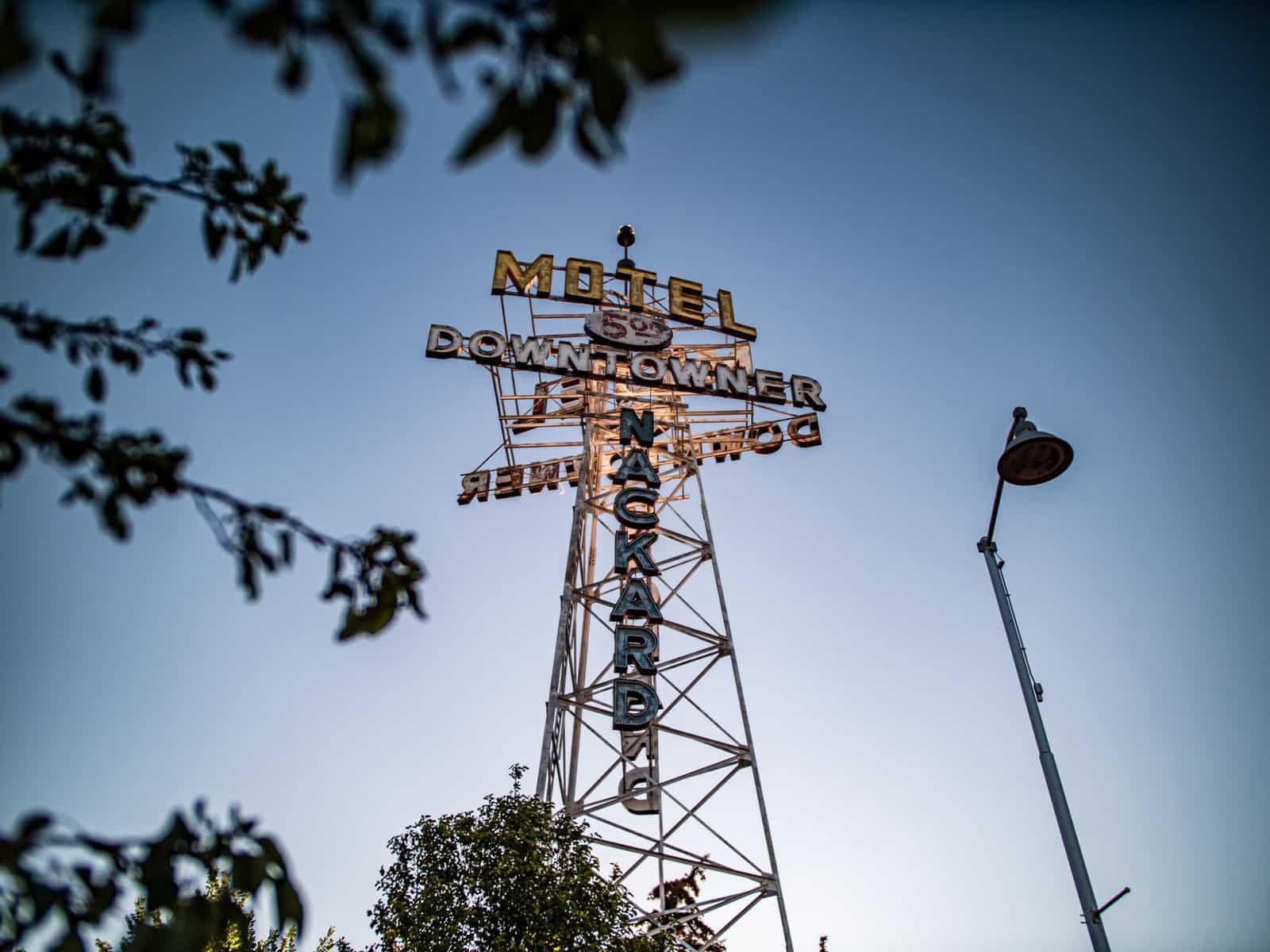
Historic Route 66 runs through downtown Flagstaff, and the downtown district — centered on Heritage Square and the stretch between the train station and San Francisco Street — is one of the more authentic small city downtowns in the Southwest. Independent breweries (Mother Road, Dark Sky), bookstores, art galleries, and restaurants that have nothing to do with Grand Canyon souvenirs. The Flagstaff Ale Trail has made it a legitimate beer destination.
The Honest Downsides of Flagstaff
- The train: Amtrak runs through downtown Flagstaff at 3 AM most nights, and the whistle is loud. Book hotels away from the tracks or accept earplugs as your travel companion
- Winter is real: Flagstaff averages over 100 inches of snow annually. The same elevation that makes summer glorious makes November–March require actual winter gear
- Traffic on 89A to Sedona can back up badly on weekends
How to Do the Grand Canyon from Flagstaff
Leave Flagstaff by 7 AM. You’ll arrive at the South Rim before the main parking crunch — entry gates back up after 9 AM in peak season. Do your hiking, rim walking, and photography through the morning. Leave the rim by early afternoon as crowds peak. You’re back in Flagstaff by 2 PM with the rest of the day free. Repeat this on day two with a different trail or viewpoint. The experience is dramatically better than spending two nights in a canyon rim hotel fighting for everything.
Flagstaff is one of those places that reveals itself only to people who slow down long enough to look. It’s not a destination in the way Sedona is, packaged and sold. It’s a mountain railroad town with a university and an observatory and a brewing scene and the Grand Canyon 45 minutes up the road. That combination is rare. Most people drive through it on the way to somewhere else.