Florida’s Nature Coast Looks Like a Manatee Paradise—But Its Local Economy Raises a Hard Question About Who Gets to Live There
We may earn money or products from the companies mentioned in this post. This means if you click on the link and purchase the item, I will receive a small commission at no extra cost to you ... you're just helping re-supply our family's travel fund.
The Florida Nature Coast looks like a manatee paradise, and in winter it is: clear spring-fed rivers in Citrus County fill with the slow, gentle animals, and visitors come from around the world to see them. But the hard question behind the postcards is about people, not manatees. In a region where wages are low, home insurance is climbing, hurricanes are getting closer, and the population skews old, who gets to live there year-round? Retirees and second-home buyers can afford the shoreline, while many of the workers who staff the boats, restaurants, and clinics are being priced to the edges.
What the Florida Nature Coast Actually Is
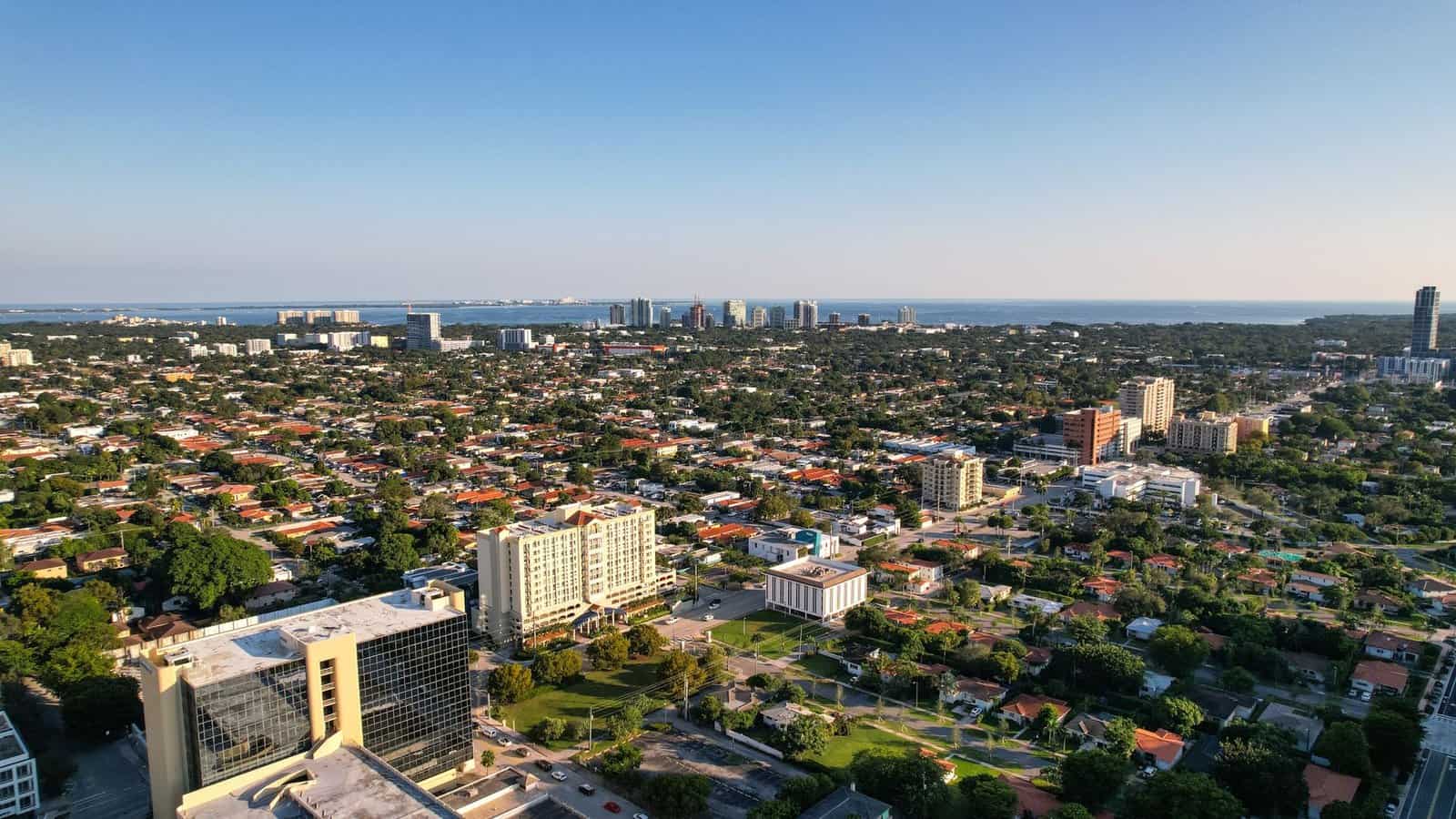
The Florida Nature Coast is a loosely defined stretch of the Gulf coast north of Tampa Bay, usually including Hernando, Citrus, Levy, and Dixie counties and sometimes Pasco and Taylor. It is a quieter Florida: marshes, springs, oak hammocks, and small fishing towns rather than high-rises. The coastline is shallow and gently sloped, with few barrier islands, so water spreads far inland when storms push it ashore.
Towns include Crystal River, Homosassa, Chassahowitzka, Weeki Wachee, Inglis, Yankeetown, Cedar Key, and Steinhatchee. Some have only a few hundred residents, and Crystal River, the best-known, has a little over 3,000. Citrus County as a whole has roughly 150,000 people, and its median age is among the highest in Florida, often in the high 50s, which gives you a sense of the retiree economy.
Tourism and retirement drive most of the local economy. Visitors come for manatees, springs, fishing, scalloping, kayaking, and the mermaid shows at Weeki Wachee Springs State Park. Retirees come for lower prices than the coasts to the south and for a slower pace. Service jobs in hospitality, health care, retail, and construction follow, and those pay modestly.
The Manatee Draw
Manatees are the headline. In cold weather, Florida manatees leave the open Gulf and gather in warm springs, because they cannot tolerate water below about 68 degrees for long. Kings Bay, in Crystal River, is fed by around 70 springs that stay at about 72 degrees year-round, which makes it one of the most reliable winter gathering places in the United States. The Crystal River National Wildlife Refuge was created in 1983 to protect them, and Three Sisters Springs, a short walk from downtown, is a popular spot to watch the animals from a boardwalk.
Citrus County is also known as the only place in the country where it is legal to swim with wild manatees, under strict rules that tour operators follow. Peak season runs roughly from November through March, when cold fronts push animals into the springs. The U.S. Fish and Wildlife Service downlisted the manatee from endangered to threatened in 2017, though recent years have brought heavy mortality in other parts of Florida, particularly on the Atlantic side, because of seagrass loss. Rules about touching, feeding, and approaching are strict and enforced, so go with a licensed guide and follow instructions.
Winter is when the town earns a large share of its tourism income. Dive shops, tour boats, motels, restaurants, and gift shops all depend on cold-weather crowds, and many local workers have seasonal hours. Summer brings scalloping in Homosassa and Steinhatchee, with season dates set each year by the state, but the winter manatee wave is the economic anchor.
The Local Economy Behind the Scenery
The scenery hides an economy with less depth than the brochures suggest. Several features stand out.
- Wages are low compared with housing costs. Many local jobs are in tourism, health care, and retail, and they pay far less than in Tampa or Orlando.
- The population is older. A large share of residents are retired and on fixed incomes, which supports health care and services but limits the working-age pool.
- Major employers have shifted. The Crystal River nuclear plant closed in 2013, and the site is in decommissioning, which eliminated a large base of high-paying jobs and local tax revenue. Coal units have also been scaled back.
- Fishing and aquaculture matter in places. Cedar Key is known for farmed clams, and small commercial fishing continues, but these are small employers.
- Public budgets are tight. Counties with large retired populations and low property values have fewer resources for schools, roads, and drainage.
None of this means the area is failing. Many people love its quiet, low prices, and natural setting. But it does mean that the next generation of workers has few paths to affording a home.
Housing, Insurance, and Storms
The hardest part of the question is housing. During and after the pandemic, home prices across Florida rose sharply, and the Nature Coast was no exception. Buyers priced out of Tampa, Orlando, and out-of-state markets moved north, drawn by lower prices, and they pushed values up. Wages did not keep pace. Rents rose too, and waterfront rentals became more profitable as short-term vacation stays than as long-term homes for workers.
Insurance adds another layer. Homeowners’ insurance in Florida has become costly and hard to obtain, with several carriers leaving or limiting coverage. For homes near the coast, flood insurance is often required with a mortgage and can be a large monthly expense. Older owners on fixed incomes and young families both feel it. The result is that some people sell, some go without coverage, and some leave the state.
Hurricanes sharpen the problem. Because the Nature Coast is low and shallow, even storms that do not make a direct hit can send surge into towns. Hurricane Idalia, in August 2023, made landfall in Taylor County and flooded places such as Cedar Key and Steinhatchee. In 2024, Hurricanes Debby, Helene, and Milton each caused flooding or damage along the Gulf coast, including parts of Citrus and Hernando counties. Rebuilding is expensive, and some owners decide not to return. Elevation requirements and rising costs make it hard for working households to rebuild or repair.
The Hard Question, Stated Plainly
So here is the question the region has to answer: can the Nature Coast stay a place where people who work there can afford to live there? It is not a matter of good or bad. A strong retiree and visitor economy supports local jobs, and protection of springs and wildlife is central to the area’s identity. At the same time, those same attractions raise land values, bring in second-home buyers, and make the shoreline expensive and risky.
Several tradeoffs are at the heart of it:
1. Growth versus springs. More homes and septic systems raise nutrient loads in springs, which can harm the clear water that attracts visitors. Limits on growth protect water but raise prices. 2. Visitors versus residents. Tourism pays wages, but it also brings traffic, short-term rentals, and seasonal crowding. 3. Storm risk versus affordability. Building higher and insuring against storms costs money that many families lack. 4. Retirees versus workers. Older residents need care and services, but the people who provide them need housing.
Local governments and nonprofits have tried various approaches, including workforce housing proposals, zoning changes, spring protection ordinances, and land purchases for conservation. Results vary, and each has its supporters and critics.
How to Visit Without Making It Harder
Visitors cannot solve housing, but a few choices matter.
- Book a licensed manatee tour. Responsible operators follow federal and state rules, and they employ local guides.
- Never touch or chase manatees. Passive observation is the rule. Harassing wildlife is illegal.
- Visit midweek or in shoulder months. The busiest days for manatee tours are winter weekends, and weekday visits are calmer.
- Stay in locally owned lodging. Small motels, cottages, and inns keep money in the community.
- Eat at local restaurants and buy seafood from local dockside markets.
- Use kayaks and boats carefully. Stay out of seagrass beds and observe speed zones.
- Check storm and tide conditions. Water levels can change quickly, and some roads flood at high tide.
Prices range widely. A manatee tour typically costs from roughly the cost of a casual dinner for two up to several times that, depending on the operator and season. Hotels and motels run from modest to higher rates in winter, particularly on holiday weekends. Always check current schedules, rules, and prices before you go, because wildlife areas can close temporarily and storms may affect services.
Why This Region Matters Beyond Florida
The Nature Coast is a preview of problems that other coastal communities face: an attractive natural setting, a fragile economy, and rising costs of insurance and storm recovery. How it responds, through housing policy, spring protection, and economic diversification, may offer lessons elsewhere. For the traveler, understanding the region adds depth to the experience. A manatee in a spring is a wonder, and so is the question of how a town can stay livable for people who work there.
The Takeaway
The Florida Nature Coast is a real manatee paradise, and its local economy raises a hard question: who gets to live there when wages are low, insurance is high, and storms keep arriving? Visit for the springs and wildlife, spend locally, follow wildlife rules, and notice how the community is trying to balance protection, tourism, and affordability.