Flagstaff Is a College Town Where the University and the City Compete for Land. Here’s Where Things Stand
We may earn money or products from the companies mentioned in this post. This means if you click on the link and purchase the item, I will receive a small commission at no extra cost to you ... you're just helping re-supply our family's travel fund.
Flagstaff is a college town where the university, the city, and the surrounding forest all compete for a limited supply of land, and here is where things stand: nobody has won, housing is still the pressure point, and each side has made real changes in recent years. Northern Arizona University has added student housing and campus buildings, the city has used housing bonds, zoning updates, and an urban growth boundary to guide growth, and the U.S. Forest Service owns most of the land around town. Prices for homes and rentals remain high relative to local wages, and that is the issue that colors nearly every local debate.
Why Flagstaff Is a College Town Short on Land
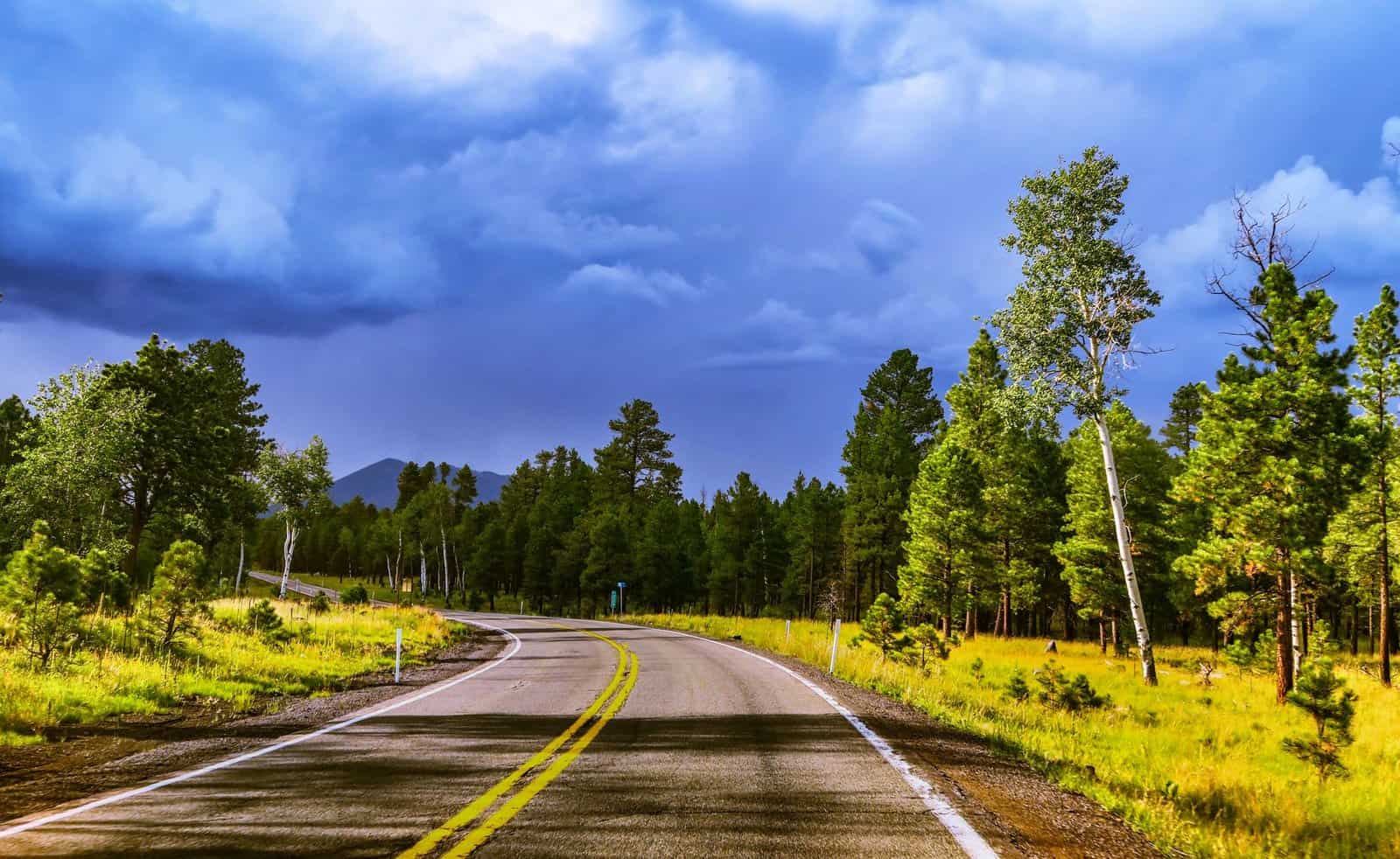
Flagstaff sits at about 7,000 feet at the base of the San Francisco Peaks, in northern Arizona, with a population of roughly 77,000. The town grew up around railroads, lumber, and ranching, and then around tourism along Route 66 and the Grand Canyon corridor. Northern Arizona University, which began as a teacher training school in the late 1890s, grew into a major institution with tens of thousands of students across its campuses and online programs, with a few thousand to many thousand on the main Flagstaff campus depending on the year.
Few western cities are so boxed in. The Coconino National Forest wraps around the city to the north, east, and south, and large parcels of public land limit where houses, shops, and campus buildings can be built. The Kachina Peaks Wilderness and the San Francisco Volcanic Field add steep terrain and protected areas. The result is that when demand for homes rises, there is very little place for new homes to go without squeezing existing neighborhoods or climbing into forest edges.
That is the root of the land conflict. The university needs space to teach, house, and employ people. The city needs space for residents, workers, and businesses. The forest and the dark-sky values that Flagstaff cherishes limit sprawl. In many other places, a growing college can annex or buy cheaper land on the fringe, but in Flagstaff, the fringe is national forest.
Add visitors and remote workers. The Grand Canyon, Sedona, Lowell Observatory, and the mountains draw millions of people through the region, and many of them stay in town or buy second homes. Short-term rentals took off, and Arizona state law limits how far cities can restrict them. That competes with year-round residents, students, and employees for the same housing stock.
The Housing Pressure Everyone Feels
Housing is where land limits become personal. Median home prices in Flagstaff have been among the highest in Arizona for years, often well above the state median, while many local jobs in health care, hospitality, education, and retail pay moderate wages. Rents rise during the school year as students compete with workers. Many residents commute from outlying communities such as Williams, Bellemont, Doney Park, Mountainaire, and Munds Park, and some from Winslow or Camp Verde.
The city has responded with a mix of tools. Voters have approved housing bonds in recent election cycles to fund affordable and workforce housing, and the city has pursued deed-restricted units, partnerships with developers, and zoning changes to allow more homes in appropriate areas. Flagstaff also has a higher local minimum wage than the state minimum, indexed to inflation, which reflects the cost of living. Specific amounts change annually, so check current figures if you rely on them.
NAU has built new residence halls and apartment-style housing in the last decade, bringing more students onto campus or into university-affiliated housing. That helps relieve some pressure on neighborhoods near campus, such as Southside and Sunnyside, where student rentals have long been a source of friction over parking, noise, and turnover. Residents in these neighborhoods and student renters have different goals, and the city works to balance them through code enforcement and planning.
How the University and City Interact Now
A cautious reading of recent years suggests the relationship is more cooperative than combative, even though disagreements continue.
- Student housing. NAU has added beds on and near campus, and private developers have built student-oriented apartment complexes. Whether supply keeps pace with enrollment is still debated.
- Campus growth and traffic. The university’s expansion affects downtown, Milton Road, and Route 66, and the city and university share transportation planning, including bus service through Mountain Line and bike infrastructure.
- Employment. NAU is one of the region’s largest employers, along with Flagstaff Medical Center, W. L. Gore and Associates, and the school district, so decisions at the university affect jobs across town.
- Land use. Both institutions consider how new buildings fit with neighborhoods, historic areas, and open space, and the city’s regional plan sets broad guidelines.
- Community partnerships. The two work together on events, sustainability, and research, including projects that draw on Flagstaff’s observatories, forests, and high-elevation climate.
It would be an overstatement to say the university and the city have reached peace. Debates over density, building heights, parking, and who pays for infrastructure recur. But the conflict looks more like a long negotiation than a fight, and both sides have an interest in keeping the town livable.
What Visitors Can See of These Tensions
You do not need to attend a city council meeting to notice the dynamics.
1. Historic downtown and Route 66. Flagstaff’s compact downtown has brick buildings, breweries, bookstores, and restaurants, and it is walkable. Student life and tourism overlap here, with prices a little higher than in many college towns. 2. The Southside neighborhood. Just south of the tracks, this older area has local restaurants and bars, and it shows the mix of long-time residents, students, and new development. 3. NAU campus. Walk the central campus for a sense of scale. The Lamport Observatory, student union, and the sports complexes show how the university shapes the east side of town. 4. Forest edges. Drive or bike to the Urban Trail System, Buffalo Park, and Fort Tuthill to see how quickly town gives way to forest. This explains the lack of space better than any map. 5. Lowell Observatory. On Mars Hill above downtown, it is a reminder that Flagstaff’s identity includes science and dark skies, which influence lighting rules and growth decisions.
Practical Tips for Visiting
Flagstaff is a four-season town. Summers are comfortable, with afternoon thunderstorms from July through September. Winter brings significant snow, and the Arizona Snowbowl ski area is nearby. Fall is popular for aspens, and spring can be windy.
Lodging prices vary widely. Expect moderate rates in winter weekdays and much higher rates on summer weekends, holidays, and graduation weekends at NAU. Book early for those dates. Parking downtown is limited, and the city encourages walking and transit.
Check before you go: road and weather conditions on I-17 and I-40, wildfire and monsoon alerts in summer, snow closures in winter, and current hours for museums and observatories. Rules for visiting the forest, including fire restrictions and trail closures, change often, so check the Coconino National Forest site.
What to Watch Over the Next Few Years
A few issues are likely to shape the next stage of Flagstaff’s story.
- Water. Northern Arizona has limited groundwater, and the city has long invested in conservation, reclaimed water, and new supplies. Growth depends on how well water is managed.
- Wildfire and flooding. After fires on the surrounding mountains, flooding in burn scar areas has affected neighborhoods, and mitigation remains costly.
- Affordable housing delivery. The pace of construction, the cost of materials, and the availability of land will determine whether workers can afford to stay.
- Short-term rentals. State law constrains local control, so any change will likely come from state-level debate.
- Enrollment and remote work. Shifts in enrollment and in how many people work remotely can change demand quickly.
A Short History of the Land Question
The tension is easier to understand with some history. Flagstaff’s earliest growth followed the railroad in the 1880s, and the lumber industry cleared and used the forests around the town. The normal school that became NAU opened in 1899 on a hill north of the tracks, which later became the campus core. As enrollment grew after World War II, the school expanded east and south, taking in homes and open ground. Over decades, the city drew planning boundaries to protect forest edges, and the Regional Plan set limits on where urban development could spread.
Those boundaries are popular because they protect views, wildlife, and watersheds. They also mean that new housing must be built on land already inside the city, usually through taller buildings, smaller lots, or conversion of older properties. That requires neighbors to accept change, and not everyone does. A proposed apartment building near a historic neighborhood can set off a long debate. The arguments are rarely about the university alone. They are about what kind of town Flagstaff wants to be, and who gets to live there.
Why the Debate Stays Alive
Because the stakes are so high, small decisions can feel large. A zoning change, a new parking structure, or a student housing complex can shift rents for blocks around. Residents who bought homes decades ago may see rising property values as a benefit, while younger workers and renters feel pushed out. Students may want more housing near campus, while neighbors want quiet streets. Each group has a fair point, and that is why the issue has not been settled.
The Takeaway
Flagstaff is a college town where the university, the city, and the forest are all hemmed in by the same limited land, and here is where things stand: both sides are building, both are negotiating, and housing remains expensive. For visitors, that means a charming, walkable mountain town with a high price tag and real local pressures. Support local businesses, respect neighborhoods and forest rules, and check current conditions before you go.