Beyond Taos, Northern New Mexico’s Beauty Comes With a Different Cost — Here’s What Española and Tierra Amarilla Reveal
We may earn money or products from the companies mentioned in this post. This means if you click on the link and purchase the item, I will receive a small commission at no extra cost to you ... you're just helping re-supply our family's travel fund.
Here is what Española and Tierra Amarilla reveal: Northern New Mexico is not only art galleries, adobe churches, and ski slopes. Its beauty comes with a cost that shows up in county poverty rates, commuter jobs, land lost across generations, and rural isolation, and these two places show it more plainly than Taos or Santa Fe do. Española is a working Rio Grande valley town of about 10,000 people where lowriders cruise on weekends and many residents drive to Los Alamos for work. Tierra Amarilla is a tiny county-seat village in the high Chama country, remembered for a famous 1967 courthouse raid over land rights. Both are worth a stop, and both repay a visitor who looks past the postcards.
Northern New Mexico: What the Postcards Skip
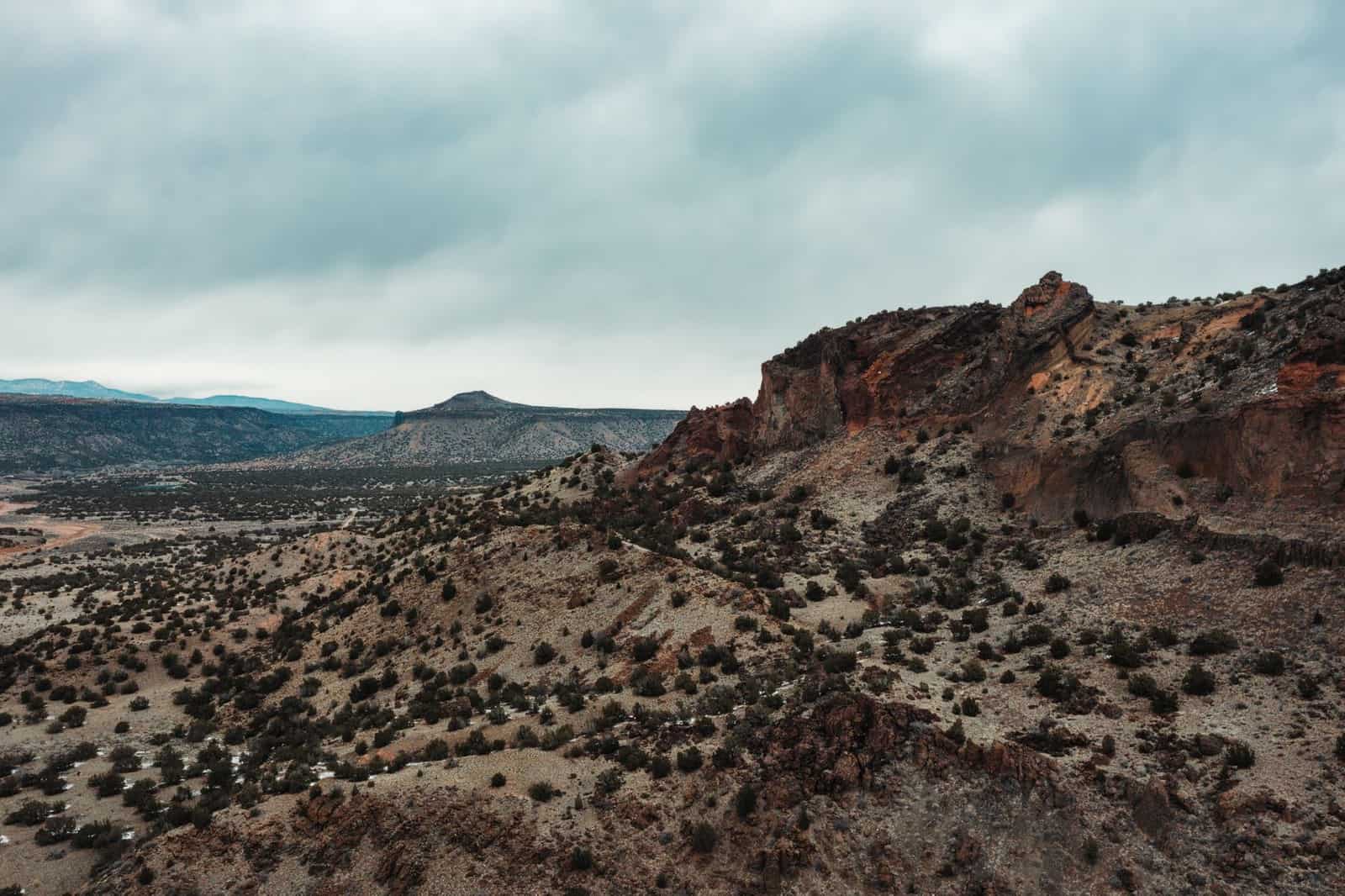
Northern New Mexico draws visitors for good reasons: high desert light, mountains over 12,000 feet, centuries-old villages, pueblos, chile fields, and a layered mix of Native American, Hispano, and Anglo cultures. Taos and Santa Fe get most of the attention, and they have the gallery districts and boutique hotels to match.
But the region also has some of the lowest household incomes in the state, and New Mexico itself ranks near the bottom nationally in poverty measures. Rio Arriba County, which contains both Española (partly) and Tierra Amarilla, has long faced high rates of poverty, limited job opportunities, and health challenges. Many families trace their roots in the area back for centuries, and they often hold land through inheritance rather than purchase. When prices rise because of outside buyers, those families can be pushed into hard choices.
That tension, between a landscape that attracts and a local economy that is thin, is the cost the title refers to. It is not a reason to avoid the region. It is context that helps you travel respectfully and notice what the postcards leave out.
Española: A Valley Town at the Center of Everything
Española sits where the Rio Chama joins the Rio Grande, about 25 miles north of Santa Fe, and it is the commercial hub for a wide area. It is surrounded by Native communities, including Ohkay Owingeh (San Juan Pueblo) and Santa Clara Pueblo, and by old Hispano villages along the river and on the road to Chimayó.
The town is best known for its car culture. Lowriders, with their hydraulic suspensions and custom paint, are a local art form and a family tradition, and Española has long claimed the title of lowrider capital. You will see them cruising on Saturday evenings and at events during the summer. The city has tried to celebrate the tradition, including with a public lowrider-themed attraction and festivals. If you see a car show, ask before taking close photos.
Food is a draw too. The valley is chile country, and local restaurants serve red and green chile on enchiladas, burritos, and sopaipillas. Small family-run places often outshine the chains along the highway. Nearby, the Santuario de Chimayó is a historic adobe chapel and pilgrimage site, drawing visitors especially during Holy Week, and Chimayó’s weaving shops and restaurants are worth a detour.
The economic picture is mixed. Los Alamos National Laboratory, about 20 to 30 miles away, is one of the largest employers in northern New Mexico, and many Española Valley residents commute there or work for contractors. The jobs are well paid compared with local averages, but they depend on federal budgets and can create a divide between those with lab jobs and those without. Retail, health care, and government fill much of the rest. The Española Valley has also been a center of the opioid and heroin crisis, with overdose death rates that have been among the highest in the country in some years, and harm-reduction programs there have attracted national attention. A respectful visitor can acknowledge this, as locals do, without turning it into a spectacle.
Tierra Amarilla: The County Seat That Time Left Behind
Tierra Amarilla is about 100 miles northwest of Española, in the high country near the Colorado border. It has fewer than a thousand people, yet it is the seat of Rio Arriba County, with a courthouse that anchors the village.
The area’s story is about land. In the 1800s, the Tierra Amarilla Land Grant was one of many Spanish and Mexican grants in the region. After the United States took control of the territory in 1848, many grant lands passed out of the hands of the families and communities who had used them for grazing, wood gathering, and farming, through legal disputes, taxes, and sales. Over decades, common lands became private ranches or federal forest, and many descendants felt that promises under the Treaty of Guadalupe Hidalgo were not honored.
In June 1967, a group led by Reies López Tijerina and the Alianza Federal de Mercedes raided the Tierra Amarilla courthouse, wounding two men and taking hostages, in an attempt to make a citizen’s arrest of the district attorney and to draw attention to the land grant issue. The event led to a large manhunt and national coverage, and it remains a symbol of the land rights movement in New Mexico. Historians still debate its legacy, and locals have varied views. Treat it as living history rather than a tourist anecdote.
Today, the village’s economy relies on ranching, government, schools, small businesses, and tourism that passes through toward Chama. The surrounding landscape is spectacular: red cliffs, the Brazos Cliffs, mountain meadows, and reservoirs such as El Vado Lake and Heron Lake State Park. The Cumbres and Toltec Scenic Railroad, which runs from Chama into Colorado, is a major attraction in summer and fall.
What These Two Places Reveal Together
Put the two stops side by side, and you can see several patterns that are common across Northern New Mexico.
- Jobs are scarce and often distant. In Española, many people commute to Los Alamos or Santa Fe. In Tierra Amarilla, many work for the county, schools, ranches, or seasonal tourism.
- Land is both identity and economics. Family land, acequias (community irrigation ditches), and grazing rights matter deeply, and disputes over ownership and access are not abstractions.
- Outside money shapes the market. Santa Fe commuters, second-home buyers, and retirees raise prices in some areas, which pushes locals to the edges.
- Public services stretch far. Clinics, grocery stores, and emergency services can be an hour or more away in rural parts.
- Culture is strong and visible. Language, food, religious traditions, and craft remain central, and many visitors find that the cultural depth is the reason they come.
- Resilience is real. Communities run cooperative irrigation systems, local festivals, farmers markets, and mutual aid networks that hold the place together.
How to Visit With Care
A trip through these towns is rewarding if you travel with humility.
1. Start in Española. Eat a chile-smothered meal at a family restaurant, see local lowriders if there is an event, and take the short drive to Chimayó. Visit the Santuario respectfully, without disturbing worshippers. 2. Detour to the pueblos only when invited. Some pueblos have visitor centers and events, but many are closed to the public most of the time. Check rules before visiting and follow photography bans. 3. Drive north on U.S. 84. The road passes Abiquiú, Ghost Ranch, and Georgia O’Keeffe country, with red and white cliffs and wide skies. 4. Overnight in Chama or nearby. Tierra Amarilla has few lodgings, so many travelers stay in Chama or in cabins near the lakes. 5. Ride or watch the train. The Cumbres and Toltec railroad usually runs from late spring through October, and tickets can sell out for fall color season. 6. Spend at local businesses. Buy from local shops, markets, and artisans, and tip service workers generously.
Costs are typically lower than in Santa Fe or Taos. A restaurant meal might run a modest amount per person, and lodging in small motels or cabins is often moderate, though it can climb during train season and holidays.
Check Before You Go
Services in rural Northern New Mexico can be limited. Winter weather can close mountain roads, and some seasonal businesses close from late fall to spring. Gas stations are spaced out, and cell coverage drops in canyons. Check road and weather conditions through New Mexico DOT, train schedules, and state park hours before you travel. Pueblo visitor policies and feast day closures vary, so confirm them directly. Always ask permission before photographing people, homes, or religious sites.
A Note on Respect
It is easy for visitors to treat a place with lowriders, chapels, and old courthouses as a stage set. Residents live with the real consequences of poverty, land loss, and addiction, and many have worked for decades to address them. You can honor that by listening, buying local, learning the history before you arrive, and avoiding the voyeurism that can turn hardship into entertainment.
The Takeaway
Española and Tierra Amarilla reveal that Northern New Mexico’s beauty comes with costs: thin job markets, land history that still stings, and rural distances. They also show deep culture, strong families, and places worth knowing. Visit with curiosity, spend locally, check conditions before you go, and leave room to understand more than the scenery.