A Tourist Season Ending 3 Weeks Early Can Wreck a Small Town’s Budget — Here’s What Visitors Need to Know
We may earn money or products from the companies mentioned in this post. This means if you click on the link and purchase the item, I will receive a small commission at no extra cost to you ... you're just helping re-supply our family's travel fund.
A tourist season ending early is not a small inconvenience in a town of 2,000 people. When the last three weeks of a season disappear, a seaside village, a mountain resort or a lake town can lose a meaningful slice of the year’s sales tax, lodging tax and paychecks in one stroke. Here is how that math works, why it lands harder on small towns than on cities, and what a visitor can do about it.
What Visitors Need to Know When a Tourist Season Ends Early
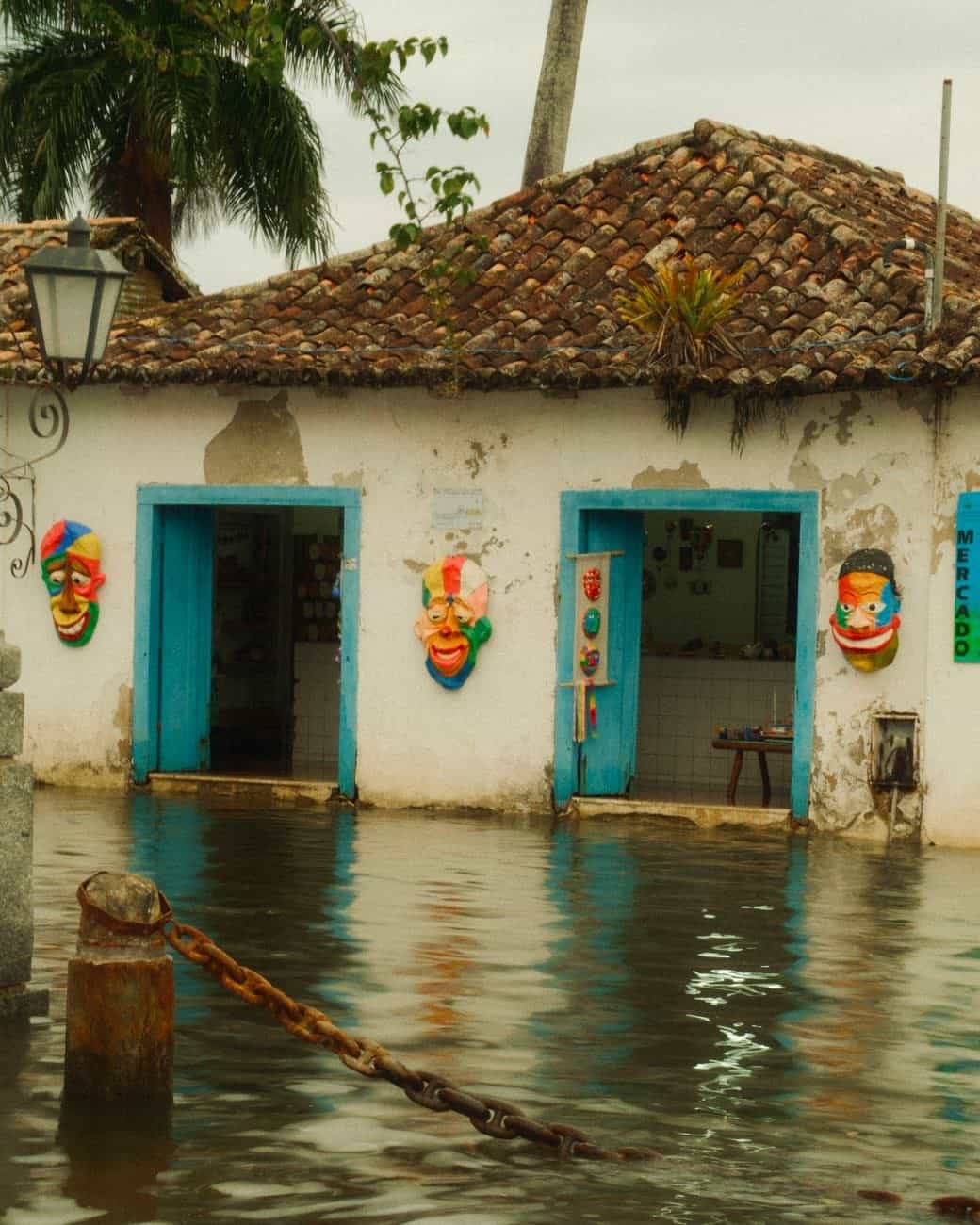
Start with the plain version. Many small resort towns earn most of their yearly income in 12 to 20 weeks. Restaurants, motels, boat tours, gift shops and outfitters plan their whole year around that window. If the season ends three weeks early, because of weather, a closed road, a wildfire, a school calendar shift or a drop in demand, those weeks do not come back. The bills for rent, insurance, loan payments and utilities keep arriving anyway.
For you as a visitor, three things follow. First, the shoulder weeks at either end of a season are worth more to a town than they look. Second, a place that seems closed is often just running thin on staff. Third, your choices about when to come and where to spend can soften the blow.
Why a Tourist Season Ending Early Hurts So Much
In a seasonal economy, the final weeks are often the most profitable ones. A business has already paid its fixed costs, so extra sales in September or October fall closer to profit than sales in June. A restaurant that covers its rent and wages in the first ten weeks can treat the last few weeks as the margin that gets it through winter.
Here is a simple example with invented numbers to show the shape of the problem. Imagine a small lake town with a 16-week season and a motel that earns $320,000 in those weeks, an average of $20,000 a week. If three weeks vanish, that is $60,000 gone, nearly one fifth of the season. If the motel’s monthly costs stay around $14,000 whether guests come or not, the loss is more than four months of those costs. A lost shoulder season can mean a layoff, a delayed repair or a closed business by spring.
The same logic applies to a restaurant, a kayak outfitter and a bakery, each in different proportions.
How the Town Budget Is Hit
A small town does not only lose private income. Many rely on taxes that come mostly from visitors:
- Sales tax, which funds roads, police and parks in states that share it with local government.
- Lodging or occupancy tax, which often pays for tourism marketing, harbor upkeep and beach cleanup.
- Parking and permit fees, which can fund seasonal staff.
- Utility revenue from water and sewer systems sized for peak population.
Towns with year-round populations of a few thousand and summer crowds of tens of thousands have a built-in imbalance: they must maintain streets and water systems for the crowd but are paid for them mostly when the crowd is present. A short season leaves a hole in the budget, which a town fills by raising property taxes, delaying projects or cutting services.
The People Who Feel It First
Seasonal workers are the most exposed. Many rely on an end-of-season stretch of full shifts to build savings for winter. Students and J-1 workers on fixed contracts, retirees who supplement income, and local families who pick up extra work all lose hours.
Owners feel it differently. Their seasonal income pays for the off-season, and a shorter summer may mean dipping into savings or taking on debt. Fishing guides, boat operators and farm stand owners may have equipment loans that don’t pause.
Employers who cannot offer late-season hours also have a harder time hiring next year, because workers go where the hours are.
Why Seasons End Early
A season can shorten for a handful of reasons, and many of them have nothing to do with the town:
- Weather, such as an early frost, an early snowfall, or a poor snow year for ski towns.
- Wildfire smoke or flooding that closes roads or cancels events.
- School calendars that start earlier in some states, shrinking the late-summer family market.
- Ferry or airline schedule changes that reduce access.
- Staff shortages, particularly of seasonal housing, which can force restaurants to cut days.
- Higher prices that push some travelers to vacation closer to home.
Places in cold climates tend to be most vulnerable because their calendar is set by weather and daylight. Island and ferry-dependent communities are also exposed because the transport schedule sets the season, not the town.
What the Early End Looks Like on the Ground
If you arrive in the last weeks of a season, you may see some signs that a town is trimming back:
- Restaurants that close two or three days a week or stop serving lunch.
- Shops that post shorter hours or a “see you next year” sign.
- Boat tours and excursions that run only on weekends.
- Fewer rooms available because some lodges have closed their wings.
- Staff who tell you that this is their last week before heading elsewhere.
None of that is unusual. What matters is that a visitor who counts on every place being open can end up disappointed, and an early closing can make a short stay feel empty.
What You Can Do as a Visitor
You can’t control the weather, but your choices matter more than you might think.
- Travel in the shoulder weeks on purpose. Late-season trips often cost less and are quieter, and your spending lands when a business needs it most.
- Call ahead before you drive a long way. Hours change quickly at the edges of a season.
- Book direct with small lodgings when you can, because platform fees reduce what a family-run business keeps.
- Buy local, from the farm stand, the bakery and the independent outfitter, rather than chains that send money elsewhere.
- Tip well. In a short season, tips make up a large share of a server’s income.
- Be flexible. Accept a different dinner time, a different route or a different day for the boat tour.
Planning a Shoulder-Season Trip
If you choose to go late, pack and plan differently. Expect cooler water and shorter days, and check sunset times. Keep a backup plan for each day in case a tour is canceled. Confirm that the roads, trails and ferries you want are still running, because some are seasonal. Bring cash for small vendors that don’t take cards at the end of the season, since some cut back on equipment.
Pay attention to lodging too. A town may close half its motels in late fall, so book early for the rooms that stay open. Some places offer lower rates after the busy weeks, so ask about shoulder pricing.
Why Towns Try to Stretch Their Seasons
Many small towns work hard to extend the calendar. They add fall festivals, harvest events, quilting weekends, fishing derbies, art walks and marathons. They partner with neighboring towns on joint marketing, and some invest in indoor attractions that work in poor weather. A festival in the last weekend of the season can shift a few hundred thousand dollars into a local economy and gives businesses a reason to stay open another few weeks.
Not every effort works, but events show that visitors can influence the length of a season by showing up. When you attend a late-season event, you are helping decide whether a motel stays open in October.
Costs That Don’t Shrink When the Season Does
It helps to understand why a short season cuts so deeply. Many costs stay fixed:
- Insurance premiums, which are due on a calendar, not on a sales schedule.
- Mortgage or rent payments on seasonal buildings.
- Equipment loans for boats, vehicles and commercial kitchens.
- Utility base charges and property taxes.
- Maintenance, from painting to dock repair, which must be done before the next season.
A business can reduce staff hours, but it can’t shrink a mortgage. That asymmetry is why a loss of three weeks carries more weight than the calendar suggests.
The Larger Pattern
Climate shifts, travel costs and school calendars are slowly changing when people travel. Some towns see their seasons stretch, with warm falls drawing visitors later than before. Others see them shrink as wildfire smoke, storms or snow droughts become more common. In either case, the towns that fare best are the ones that diversify, with year-round residents, remote workers, small manufacturing or healthcare employers, and visitors in all four seasons.
As a traveler, you are one small part of that picture, but a very visible one. The decision of when to visit may matter more than where you stay or what you buy.
The Bottom Line
A tourist season ending early can hit a small town hard, because its money, taxes and paychecks are packed into a few weeks. The practical response is to travel in shoulder weeks, call ahead, spend with local businesses and tip generously. That is a small adjustment for a visitor, and for a town of a few thousand people it can be the difference between a hard winter and a closed doorway.