The Perfect Trip Photo Can’t Capture What Being There Actually Feels Like—Here’s What Visitors Miss
We may earn money or products from the companies mentioned in this post. This means if you click on the link and purchase the item, I will receive a small commission at no extra cost to you ... you're just helping re-supply our family's travel fund.
Research on social media travel photography and traveler satisfaction has documented a consistent and measurable gap between the curated, aesthetically optimized images travelers share from a destination and their actual in-the-moment emotional experience while capturing those images, a phenomenon that tourism psychologists have studied specifically in the context of how photography has changed the fundamental purpose and experience of visiting a place.
What Researchers Have Found About This Gap
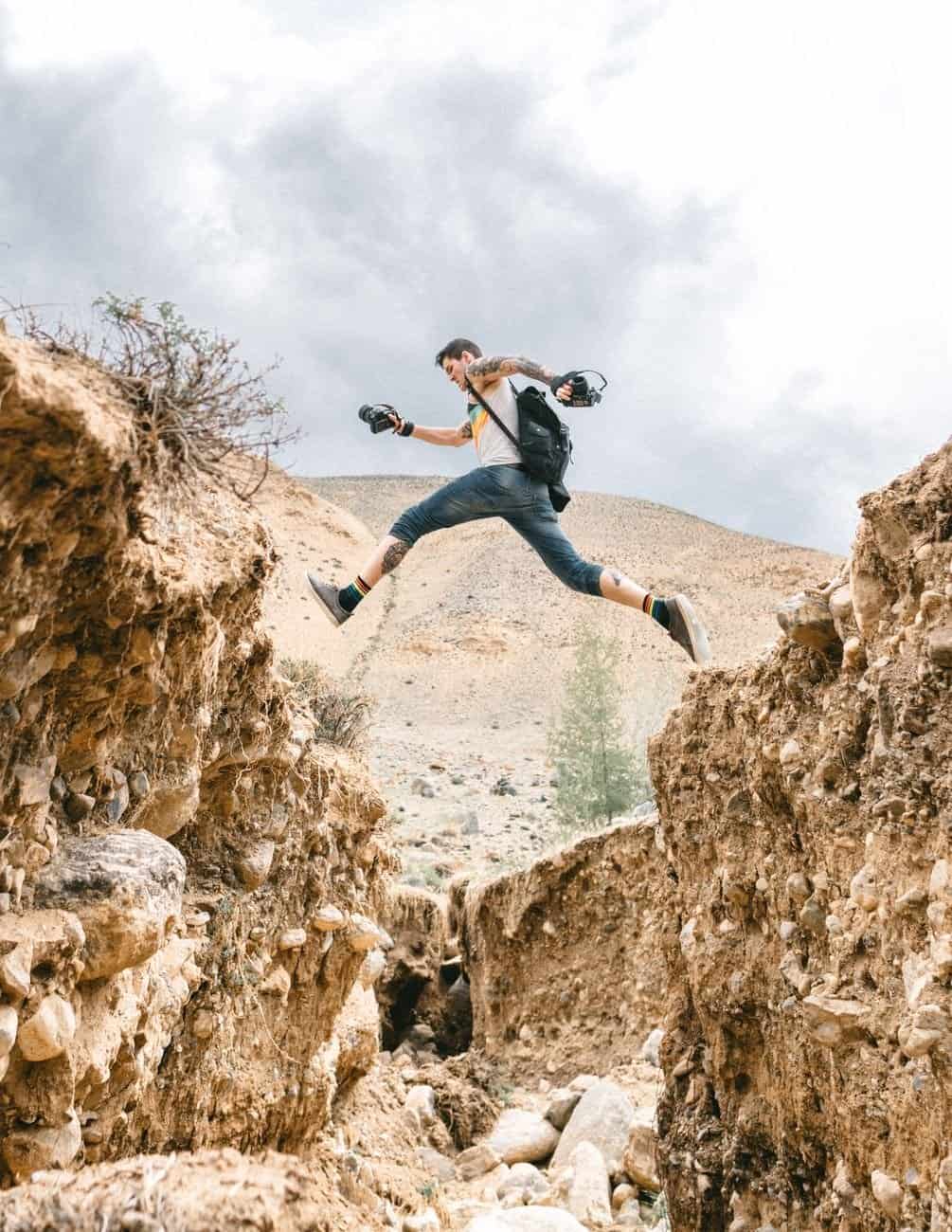
Multiple studies on tourist photography behavior have found that the pursuit of a specific, previously seen social media image, often one a traveler screenshots or saves before ever visiting a destination, frequently shapes the entire on-site experience around achieving that specific shot rather than allowing for more open engagement with the actual environment, a behavior pattern researchers sometimes describe using the broader concept of the “tourist gaze,” a term coined by sociologist John Urry to describe how tourism fundamentally structures perception around pre-formed expectations rather than direct, unmediated observation.
This dynamic has intensified considerably with the rise of geotagged social media platforms, since specific viewpoints and angles that produce a particular popular image become widely known and consistently sought out, sometimes creating situations where dozens or hundreds of visitors queue for the same few square feet of ground at a popular viewpoint specifically to recreate an image they’d already seen online before ever physically arriving.
The Documented Effects on Visitor Experience
- Popular Instagram-driven destinations, including specific viewpoints at places like Trolltunga in Norway or Horseshoe Bend in Arizona, have documented wait times of thirty minutes or more for visitors to access the specific spot needed to recreate a well-known image
- Researchers studying tourist behavior at photogenic destinations have found that time spent composing, taking, and reviewing photos frequently consumes a disproportionate share of total time at a location relative to time spent simply observing the actual scene
- Some destinations have reported visitors expressing genuine disappointment upon arrival specifically because lighting, weather, or crowd conditions didn’t match the idealized, often digitally enhanced images that drew them to the location in the first place
- A measurable subset of travelers in surveyed studies report that reviewing their own photos after a trip produces more satisfaction than their memory of the actual on-site experience, suggesting the photograph itself has partially replaced lived memory as the primary artifact of the trip
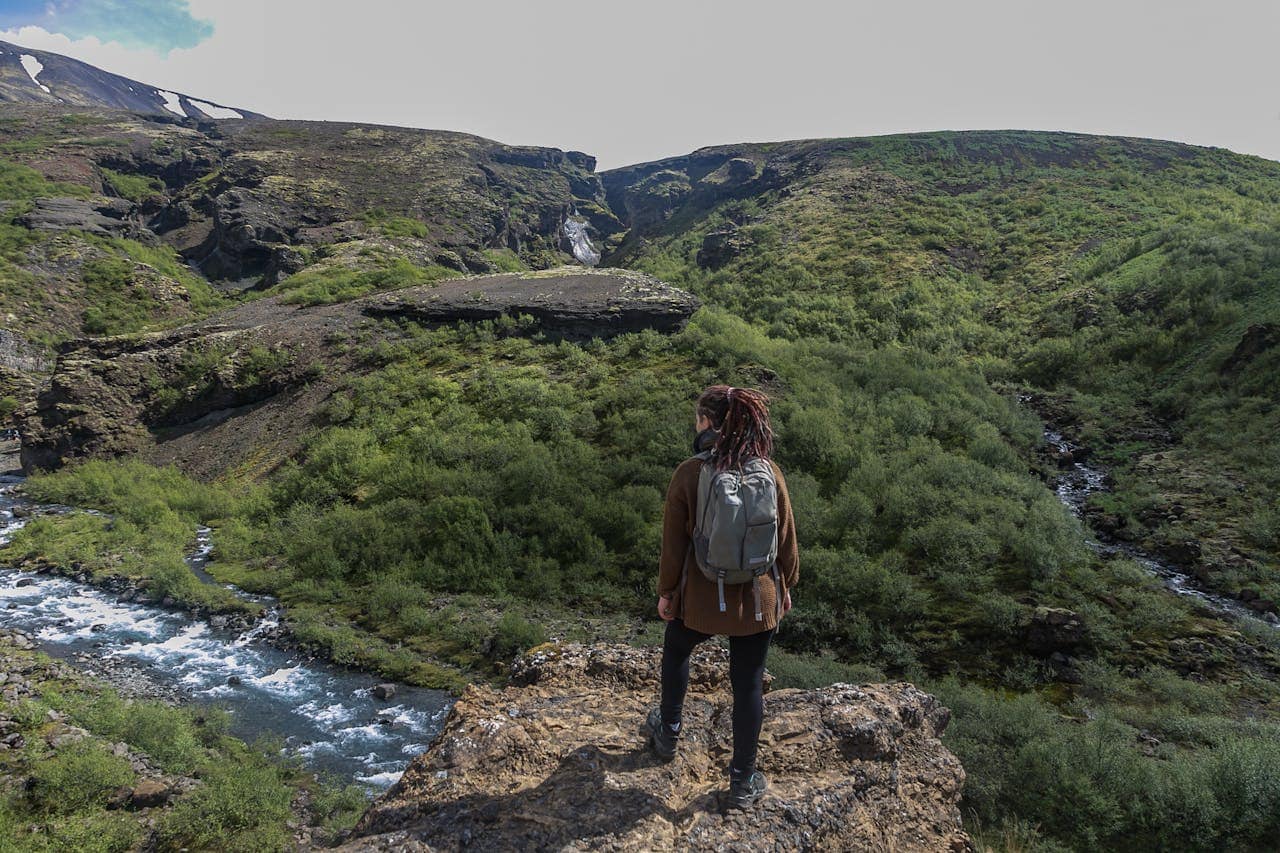
This gap between photographed and experienced reality has led some destinations, including sections of certain Icelandic and Norwegian natural attractions, to introduce deliberate signage or ranger guidance encouraging visitors to put phones away for at least part of their visit, an intervention explicitly designed to address documented visitor reports of feeling like they missed genuinely experiencing a location while focused on capturing it.
Why This Pattern Has Intensified Over Time
Tourism researchers generally attribute the growing severity of this gap to the combination of geotagging technology, which makes finding the exact location and angle of any viral image trivially easy, and social media’s reward structure, which provides immediate positive feedback for posting an aesthetically successful image in a way that provides no comparable immediate feedback for simply having a meaningful, undocumented experience. This asymmetry in immediate feedback, researchers argue, has gradually shifted many travelers’ implicit goals while traveling, whether consciously recognized or not, toward image production rather than experience alone.
Whether Anything Can Close the Gap
Some travel psychologists specifically recommend deliberately limiting photography to designated windows during a trip, taking photos for a set period and then setting the phone aside for the remainder of a visit, as one practical way to preserve some of the direct, unmediated observational experience that heavy photography-focused travel behavior tends to crowd out. Others argue the gap between photographed and lived experience isn’t inherently a problem to be solved, since photographs serve a legitimately different function, memory preservation and sharing, than the in-the-moment experience itself, and that expecting the two to align perfectly may be a fundamentally unrealistic standard that misunderstands what photography during travel is actually for. Some destination managers have begun actively redesigning popular viewpoints specifically to accommodate photography demand more efficiently, adding designated platforms or rotating queue systems at the most sought-after spots, a pragmatic response that accepts photography-driven visitor behavior as a permanent feature of modern tourism rather than something to be discouraged, while still trying to minimize the crowding and frustration that unmanaged photo-seeking behavior tends to generate at a destination’s most popular locations. Some travel writers and photographers have also begun deliberately promoting lesser-known alternative viewpoints specifically to redirect some of this concentrated photo-driven demand away from the handful of most crowded locations, an informal, decentralized approach to crowd management that complements the more formal infrastructure changes some destinations have implemented directly. Search engine and social media algorithm changes have also inadvertently affected this dynamic, since platforms that increasingly promote geotagged location data alongside travel content have made it progressively easier for even casual social media users to identify and navigate directly to a specific viral photo location, accelerating the same crowding pressure that more deliberate crowd-dispersal efforts are trying to counteract. Some influencers and travel content creators have themselves begun voluntarily withholding exact location tags from posts featuring particularly sensitive or overcrowded natural sites, a small but growing grassroots response to the same crowding dynamics that formal destination management efforts are trying to address through infrastructure and access changes. Whether this voluntary restraint meaningfully reduces overall crowding pressure remains uncertain given how easily determined visitors can identify locations through other means, but it at least signals a growing awareness within travel content creation communities of their own collective role in driving the crowding dynamics they sometimes separately criticize. Some destination management organizations have begun directly partnering with prominent travel influencers specifically to encourage this kind of voluntary location discretion, treating influencer cooperation as a genuine, if imperfect, complement to their own more formal visitor management infrastructure. These partnerships remain relatively new and unevenly applied across the industry, but they represent a notable acknowledgment that managing modern tourism crowding increasingly requires engaging directly with the same content creators whose posts originally helped generate the crowding in the first place.