The Budget-Airline Effect Is Bigger Than Cheap Tickets—It Can Decide Which Cities Travelers Visit
We may earn money or products from the companies mentioned in this post. This means if you click on the link and purchase the item, I will receive a small commission at no extra cost to you ... you're just helping re-supply our family's travel fund.
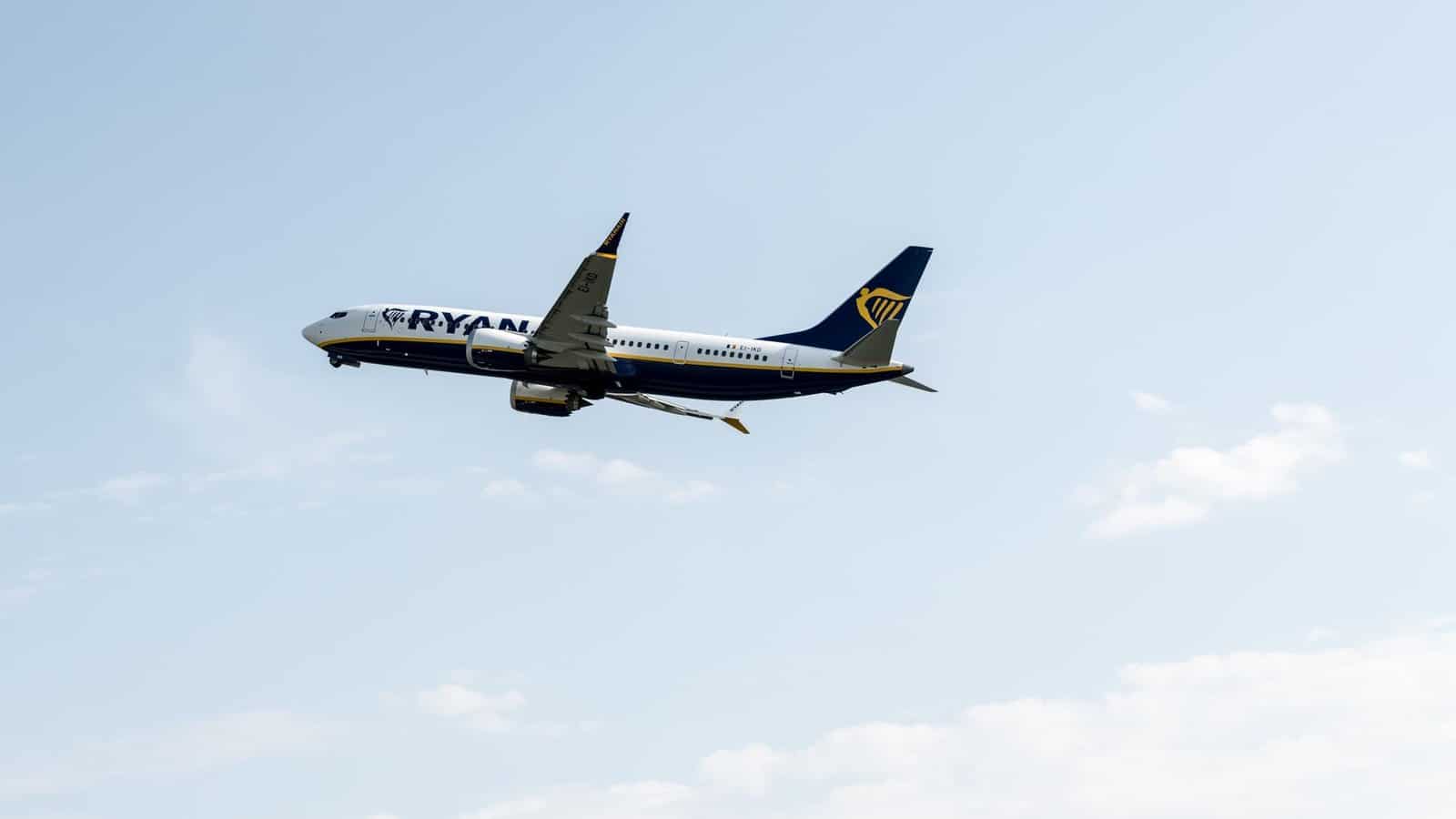
The expansion of budget carriers like Spirit, Frontier, Allegiant, and internationally Ryanair and EasyJet has done more than simply lower ticket prices on existing popular routes — research on airline route economics has found that budget carriers systematically open new routes to smaller, previously underserved secondary cities and airports that legacy carriers’ hub-and-spoke models had largely bypassed, meaningfully changing which destinations actually receive significant tourist visitation.
How Budget Carrier Route Strategy Actually Works
Legacy airlines generally concentrate service through major hub airports, funneling passengers through connections at cities like Atlanta, Chicago, or Dallas rather than offering direct service between smaller cities that couldn’t individually generate enough demand to fill a full-size aircraft. Budget carriers, particularly Allegiant in the United States, have built entirely different business models specifically around serving smaller, secondary airports with direct point-to-point routes, often connecting smaller Midwestern or Rust Belt cities directly to Florida or other leisure destinations without requiring a connection through a major hub at all.
This point-to-point secondary-airport model has made destinations like Punta Gorda, Florida, or Sanford, Florida, both airports with minimal legacy carrier presence, into meaningful tourism gateways specifically because Allegiant built substantial direct route networks connecting them to dozens of smaller cities that would otherwise require an expensive, multi-leg itinerary through a major hub to reach the same Florida beach destinations.
What This Has Done to Specific Destinations
- Ryanair’s aggressive European route expansion transformed secondary airports near cities like Girona, Spain, and Bergamo, Italy, into significant tourist gateways for visitors ultimately headed to Barcelona and Milan, cities the airline doesn’t serve directly at their primary airports
- Iceland’s tourism boom over the past 15 years was substantially accelerated by budget carrier WOW Air’s aggressive transatlantic route expansion, which made Reykjavik dramatically more accessible from dozens of North American cities before the airline’s eventual 2019 collapse
- Smaller U.S. secondary cities including Fort Wayne, Indiana, and Bangor, Maine, have gained direct seasonal leisure routes to Florida and other warm-weather destinations specifically because budget carriers found viable demand that legacy carriers’ hub-focused models had never tested
- Several formerly obscure Caribbean and Mexican destinations have seen substantial tourism growth tied directly to new budget carrier route additions rather than any change in the destination’s underlying appeal
This pattern means a destination’s tourism growth trajectory frequently has less to do with any change in the destination’s actual attractiveness and considerably more to do with a specific airline’s route planning decisions, which are themselves driven by cost structure, aircraft range, and competitive positioning calculations largely invisible to the travelers whose destination choices those decisions ultimately shape.
The Trade-Offs That Come With Budget Route Access
Destinations that experience rapid tourism growth driven primarily by new budget carrier access often face infrastructure strain that developed more gradually in destinations whose tourism growth tracked more closely with legacy carrier service and higher-spending visitor demographics, since budget carrier passengers frequently travel with lower per-trip spending budgets than travelers arriving via full-service carriers, creating volume without necessarily generating proportional local tourism revenue. Local businesses and governments in newly budget-carrier-connected destinations have had mixed experiences balancing this trade-off between valuable increased visitor volume and the type of visitor spending that volume actually represents.
Budget carriers’ well-documented tendency to add and drop routes more readily than legacy carriers, chasing short-term demand and cost efficiency rather than committing to long-term route stability, has also left some destinations exposed to sudden tourism volume drops when a specific route gets discontinued, a vulnerability that destinations built primarily around a single budget carrier’s route network experience more acutely than those with more diversified airline service.
What This Means for How Travelers Choose Destinations
Budget carrier route maps have become, in effect, an underappreciated driver of where large numbers of travelers actually go, meaning destinations without budget carrier service, regardless of their underlying scenic or cultural appeal, frequently receive dramatically less tourist visitation than comparably attractive destinations that happen to sit within a budget airline’s specific route network. This dynamic rewards travelers willing to research budget carrier route maps directly when planning trips, since genuinely appealing but currently under-visited destinations often become considerably more accessible, and therefore worth reconsidering, the moment a budget carrier adds new service. Airport and destination marketing organizations have increasingly recognized this dynamic themselves, in some cases offering direct financial incentives to budget carriers willing to establish new routes, a practice common at smaller European and North American airports competing to secure the tourism and economic activity that a single new budget route can generate for a previously overlooked destination. These route-incentive arrangements occasionally generate controversy when a subsidized route later gets discontinued after the incentive period ends, leaving the destination that invested public funds in securing the route without the promised long-term air service or tourism benefit, a risk that has made some local governments considerably more cautious about offering direct financial incentives to budget carriers than they were during the early years of this competitive practice. Aviation economists have specifically studied the return on investment for these public route-incentive deals, generally finding highly variable results depending on how durable the resulting route proves to be, meaning the same incentive strategy that transformed one destination’s accessibility for years can prove to be an entirely wasted public expenditure at another destination if the airline pulls the route shortly after the incentive period ends. Some European regional airports have responded to this risk by structuring incentive agreements with clawback provisions requiring airlines to repay a portion of public subsidies if a route is discontinued before an agreed minimum operating period, an approach aviation policy researchers have generally recommended as a more fiscally responsible model than unconditional route subsidies. American airports have been slower to adopt comparable clawback structures, generally relying on less formal marketing-fund arrangements rather than binding financial penalties, a difference in regulatory approach that partly reflects broader differences between European and American aviation policy traditions. This regulatory gap has occasionally drawn criticism from American municipal finance watchdogs, who argue that public airports and economic development agencies deserve the same contractual protections European counterparts increasingly build into their own route-incentive agreements before committing public funds to attract a new budget carrier route.