The US Dollar Buys 40% More in Vietnam Than It Did Five Years Ago. Here’s Where Else It’s Stretching the Furthest in 2025.
We may earn money or products from the companies mentioned in this post. This means if you click on the link and purchase the item, I will receive a small commission at no extra cost to you ... you're just helping re-supply our family's travel fund.
Currency fluctuations and inflation differentials have created significant shifts in where the U.S. dollar’s purchasing power stretches furthest for American travelers in 2025, with Southeast Asian destinations like Vietnam and several South American countries showing particularly favorable exchange rate trends over the past five years compared to the more modest purchasing power gains American travelers have seen in most European destinations over the same period.
These shifts matter considerably for budget-conscious travelers planning international trips, since a favorable exchange rate trend can effectively function as a meaningful discount on an entire trip’s cost, from accommodations to meals to local transportation, independent of any change in the destination’s actual sticker prices in local currency.
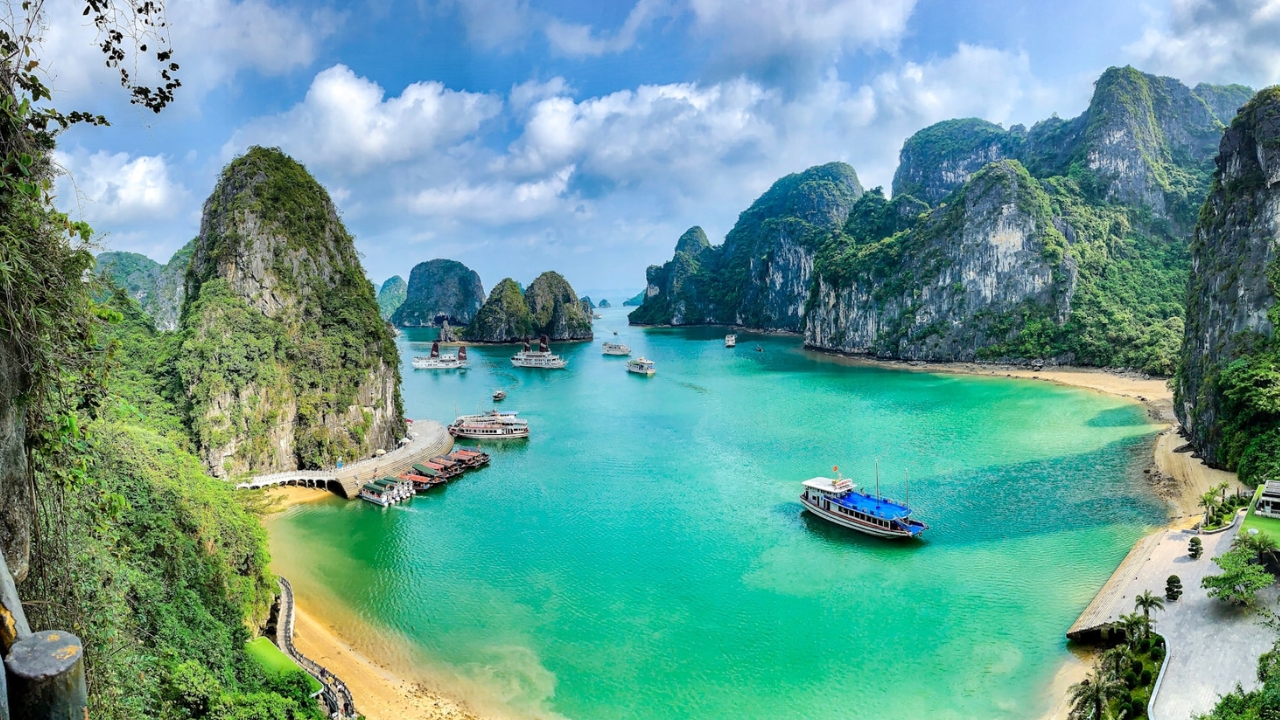
Why Vietnam’s Dollar Purchasing Power Has Grown So Much

The Vietnamese dong has depreciated against the U.S. dollar over the past several years, driven by a combination of Vietnam’s monetary policy choices and broader regional currency dynamics, a shift that has made American travelers’ dollars stretch considerably further in Vietnam than they did five years earlier even before accounting for Vietnam’s generally low cost of goods and services relative to Western countries.
Vietnam’s tourism infrastructure has also expanded substantially over this period, with more hotels, tour operators, and transportation options competing for traveler spending, a competitive market dynamic that has helped keep local pricing relatively restrained even as visitor numbers have grown significantly, reinforcing the favorable value proposition beyond currency effects alone.
Other Destinations Showing Similarly Favorable Trends
Argentina has drawn significant attention from budget travelers due to its currency’s substantial volatility and periodic sharp devaluations against the dollar, creating windows where American travelers have found exceptional value for accommodations and dining, though this volatility also means the favorable exchange rate can shift relatively quickly depending on Argentina’s ongoing economic and monetary policy situation.
- Turkey’s currency has depreciated substantially against the dollar in recent years, making Istanbul and the broader country notably more affordable for American visitors
- Egypt has seen similar currency depreciation trends that have made its tourism sector, from Nile cruises to Red Sea resorts, considerably cheaper in dollar terms
- Several Central American destinations, including Guatemala and Nicaragua, offer consistently favorable dollar purchasing power due to lower baseline costs of goods and services
- Japan experienced a notable multi-year period of yen weakness against the dollar that made the country substantially more affordable for American travelers than it had been historically
Where the Dollar Has Lost Ground Instead
Not every destination has moved in the dollar’s favor, and several European destinations, along with some Caribbean tourism hubs, have seen local pricing increases outpace any currency advantage, meaning the effective cost for American travelers in these locations has increased rather than decreased over the same five-year period, a divergence worth understanding before assuming favorable dollar trends apply universally.
The United Kingdom and several Nordic countries in particular have seen persistent inflation in tourism-related pricing, hotels, restaurants, and transportation, that has outpaced whatever modest currency fluctuations have occurred, leaving American travelers facing effectively higher real costs in these destinations compared to five years earlier despite periodic headlines about favorable exchange rates.
How to Actually Use This Information When Planning a Trip
Currency and purchasing power trends shift over time and can change relatively quickly depending on global economic conditions, meaning travelers should check current exchange rate trends specifically before finalizing a destination decision based on cost, rather than relying on outdated information about which countries offer the best value, since a favorable trend from even a year or two ago may have already shifted by the time a trip is actually booked.
Travel finance specialists generally recommend combining current exchange rate research with an understanding of local inflation trends specifically, since a favorable currency movement can sometimes be offset partially or entirely by rising local prices, meaning the real effective value for a traveler depends on both factors together rather than the exchange rate figure alone.
What This Means Looking Ahead
The trends described here are likely to continue evolving over the coming years, and the specific dynamics at play, economic, demographic, or environmental, will keep shaping how where the dollar stretches furthest for travelers develops going forward, making it worth continued attention from anyone with a genuine interest in the place or subject rather than a one-time curiosity.
For now, understanding the fuller context behind where the dollar stretches furthest for travelers gives a more accurate picture than the surface-level version most casual observers encounter, and that accuracy matters increasingly as more people make real decisions, about where to live, where to visit, or how to spend their money, based on incomplete or outdated impressions.
What Locals Say Compared to What Visitors Assume
Longtime residents familiar with where the dollar stretches furthest for travelers often describe a considerably more nuanced picture than outside visitors or casual observers typically assume, with the day-to-day reality involving tradeoffs and complications that don’t fit neatly into either an overly romanticized or overly dismissive narrative about the place.
That gap between local knowledge and outside perception shows up repeatedly across similar cases nationally, and it’s a useful reminder that where the dollar stretches furthest for travelers rewards a closer, more careful look rather than the quick surface judgment that most passing visitors or online commentary tend to settle for.
The Practical Takeaway for Anyone Paying Attention
Anyone planning to engage more seriously with where the dollar stretches furthest for travelers, whether as a visitor, a potential resident, or simply someone trying to understand the underlying dynamics accurately, benefits from looking past the most commonly repeated version of the story and toward the specific data and history that actually explain how things got this way.
That extra bit of research rarely takes long, and it consistently produces a more useful and more accurate understanding than relying on secondhand impressions, making it worth the modest additional effort for anyone whose decisions actually depend on getting where the dollar stretches furthest for travelers right.