Bozeman’s Population Grew 40% in a Decade. The People Who Grew Up There Can’t Afford to Stay
We may earn money or products from the companies mentioned in this post. This means if you click on the link and purchase the item, I will receive a small commission at no extra cost to you ... you're just helping re-supply our family's travel fund.
Bozeman, Montana has grown from roughly 37,000 residents in 2010 to well over 50,000 today, a growth rate far exceeding the broader Montana state average, and local real estate agents consistently cite out-of-state buyers, particularly from California, as a primary driver of both the population growth and the corresponding surge in home prices that has made Bozeman one of the least affordable housing markets in Montana relative to local wages.
This influx has been accelerated by pandemic-era remote work flexibility, which allowed higher-earning professionals from expensive coastal markets to relocate to Bozeman while keeping jobs and salaries tied to their previous higher-cost-of-living locations, a dynamic that has pushed local home prices to levels increasingly disconnected from what Montana’s traditional ranching, agriculture, and tourism-based economy would otherwise support.
Why Bozeman Specifically Became a Relocation Target
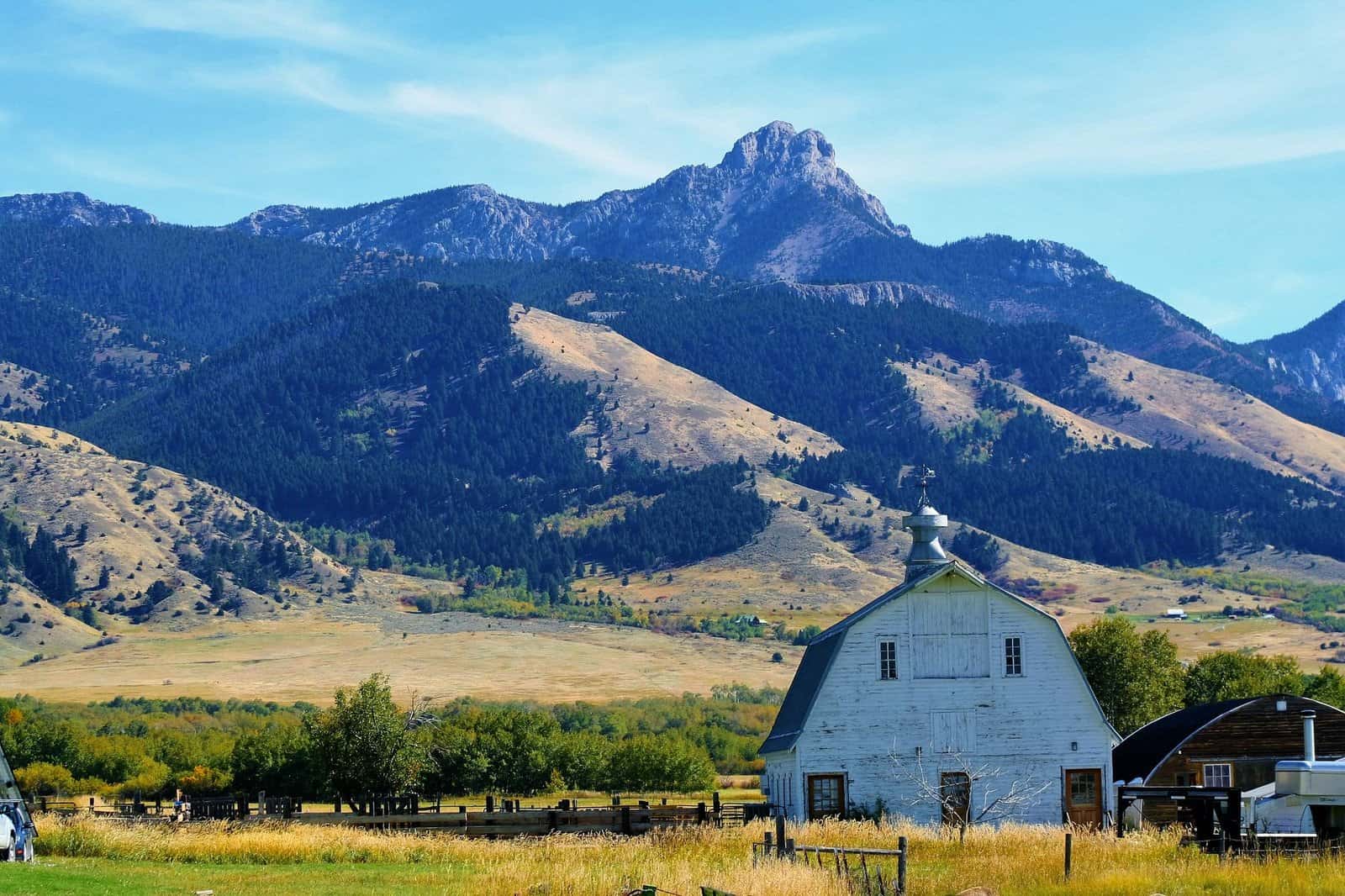
Bozeman’s combination of Montana State University, a genuinely vibrant downtown with restaurants and breweries, proximity to Yellowstone National Park, and access to world-class outdoor recreation including skiing at Bridger Bowl and Big Sky Resort made it an obvious target for wealthy remote workers and retirees seeking a mountain lifestyle change, particularly as media coverage highlighting Bozeman’s appeal grew substantially over the 2010s and accelerated further during the pandemic.
Real estate agents in Bozeman report that a disproportionate share of home purchases, particularly at higher price points, have gone to buyers relocating from California, Washington, and other higher-cost West Coast states, buyers who often have substantially more purchasing power than the local Montana wage base would support, creating a widening gap between what local residents can afford and what the market increasingly demands.
What This Has Done to Local Housing Affordability
Bozeman’s median home price has climbed to levels that now rank among the least affordable in Montana relative to local median income, a genuinely unusual position for a state historically associated with rural affordability, forcing many longtime residents and essential workers, including teachers, healthcare workers, and service industry employees, into considerably longer commutes from more affordable surrounding communities.
- Bozeman’s home price appreciation over the past decade has substantially outpaced both the Montana state average and the national average
- Local employers, including Montana State University and area hospitals, have reported increasing difficulty recruiting and retaining staff due to housing costs
- Surrounding towns like Belgrade and Livingston have seen their own price appreciation accelerate as Bozeman-priced-out buyers look to nearby, still-relatively-affordable alternatives
- Local government has debated various affordable housing policy interventions, though implementation has lagged behind the pace of the affordability crisis
How Longtime Montanans Have Responded
The scale and pace of Bozeman’s transformation has generated significant local political and cultural tension, with longtime Montana residents expressing frustration over rising costs and changing community character, sentiments that have occasionally surfaced in local media coverage and community meetings addressing the broader question of how Montana towns should manage rapid, wealth-driven in-migration.
This tension mirrors similar debates playing out in other mountain West towns experiencing comparable transformation, including Jackson Hole, Wyoming, and Coeur d’Alene, Idaho, suggesting Bozeman’s experience reflects a broader regional pattern rather than a uniquely local phenomenon isolated to Montana specifically.
What This Means for Bozeman’s Future
Local officials and community organizations continue debating policy responses aimed at preserving some measure of housing affordability for Montana State University staff, healthcare workers, and other essential local employees, though most proposed solutions face the same fundamental tension between accommodating continued growth and preserving the small-town character that originally attracted both longtime residents and the newer arrivals driving the current transformation.
Whatever the eventual policy outcome, Bozeman’s trajectory over the past fifteen years has already fundamentally reshaped the town’s economic and demographic character in ways that will likely take decades to fully play out, making it one of the most closely watched case studies of wealth-driven mountain town transformation in the broader American West.
What This Means Looking Ahead
The trends described here are likely to continue evolving over the coming years, and the specific dynamics at play, economic, demographic, or environmental, will keep shaping how Bozeman’s transformation from California in-migration develops going forward, making it worth continued attention from anyone with a genuine interest in the place or subject rather than a one-time curiosity.
For now, understanding the fuller context behind Bozeman’s transformation from California in-migration gives a more accurate picture than the surface-level version most casual observers encounter, and that accuracy matters increasingly as more people make real decisions, about where to live, where to visit, or how to spend their money, based on incomplete or outdated impressions.
What Locals Say Compared to What Visitors Assume
Longtime residents familiar with Bozeman’s transformation from California in-migration often describe a considerably more nuanced picture than outside visitors or casual observers typically assume, with the day-to-day reality involving tradeoffs and complications that don’t fit neatly into either an overly romanticized or overly dismissive narrative about the place.
That gap between local knowledge and outside perception shows up repeatedly across similar cases nationally, and it’s a useful reminder that Bozeman’s transformation from California in-migration rewards a closer, more careful look rather than the quick surface judgment that most passing visitors or online commentary tend to settle for.
The Practical Takeaway for Anyone Paying Attention
Anyone planning to engage more seriously with Bozeman’s transformation from California in-migration, whether as a visitor, a potential resident, or simply someone trying to understand the underlying dynamics accurately, benefits from looking past the most commonly repeated version of the story and toward the specific data and history that actually explain how things got this way.
That extra bit of research rarely takes long, and it consistently produces a more useful and more accurate understanding than relying on secondhand impressions, making it worth the modest additional effort for anyone whose decisions actually depend on getting Bozeman’s transformation from California in-migration right.