Flagstaff Keeps Building, but Land and Water Are Limited—Here’s What Visitors Need to Know
We may earn money or products from the companies mentioned in this post. This means if you click on the link and purchase the item, I will receive a small commission at no extra cost to you ... you're just helping re-supply our family's travel fund.
Flagstaff keeps building. Apartments rise near downtown, new subdivisions appear on the edges, and hotels fill most summer weekends. But Flagstaff land and water are both limited, and those limits shape almost everything visitors see, from housing prices to wildfire closures to the water-saving signs in hotel rooms.
This guide explains the two constraints, how they affect residents, and what travelers should know before they arrive. Figures are approximate and change with conditions, so check before you go.
What Visitors Need to Know About Flagstaff Land and Water
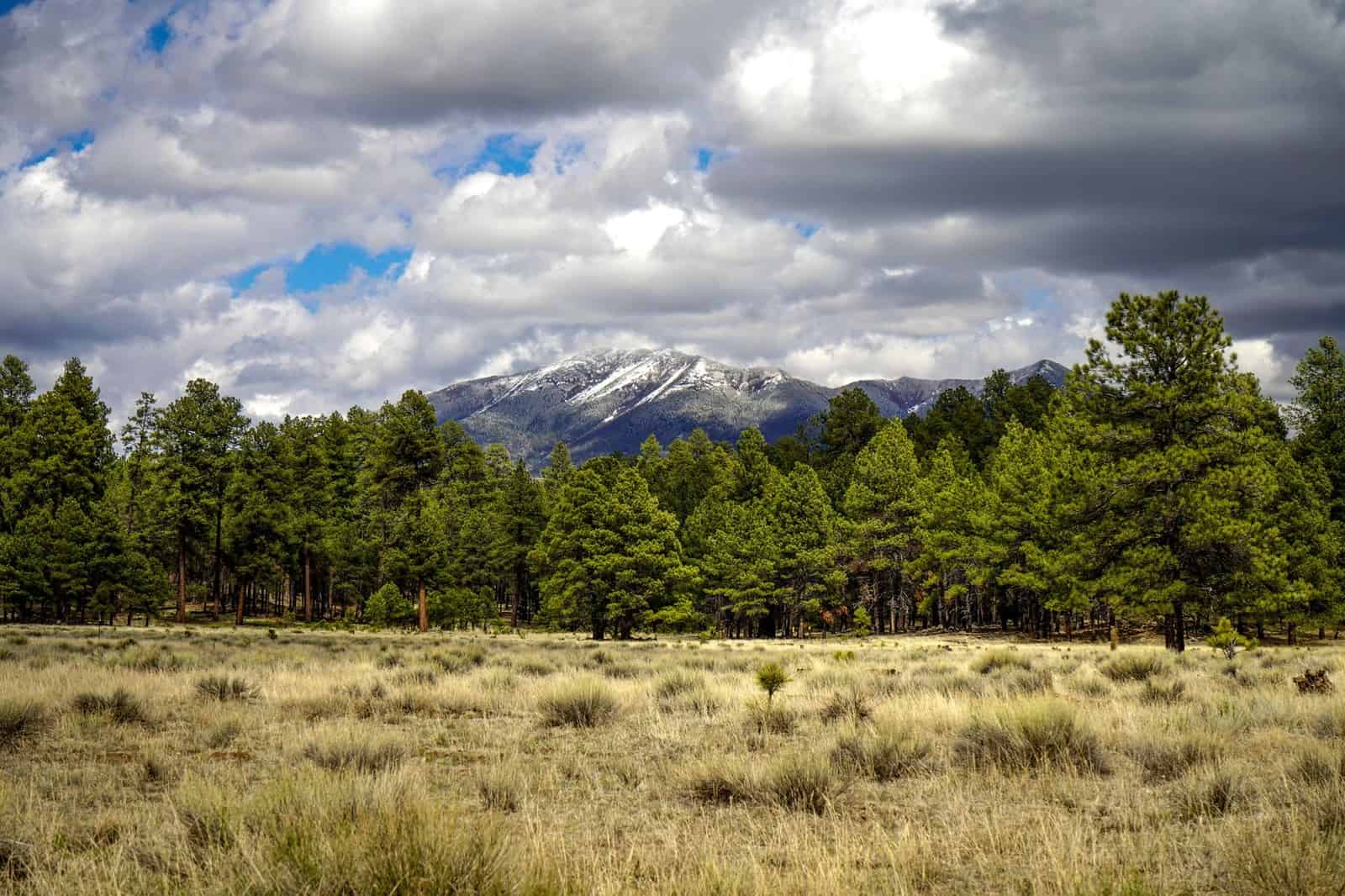
Flagstaff sits at about 7,000 feet in northern Arizona, at the base of the San Francisco Peaks, with about 77,000 residents at the 2020 census. It is a university town, a gateway to the Grand Canyon and Sedona, and a hub for outdoor recreation. The city is surrounded by the Coconino National Forest and other public land, and its water supply depends on snowpack and monsoon rains in a dry region. Both facts limit how fast it can grow.
The Land Problem
Flagstaff is hemmed in. National forest land borders the city on most sides, and much of the remaining land is state trust land or already developed. That means there is little room to expand outward, so growth tends to go up and in: taller buildings, denser neighborhoods, and redevelopment of older sites. The city has an urban growth boundary and planning rules that aim to keep development compact and preserve open space, and voters have supported funding for parks and open space.
Land scarcity pushes up housing prices. Typical home values in Flagstaff have been well above the Arizona average in recent years, often in the range of roughly 600,000 to 750,000 dollars depending on source and month, and rents are high relative to local wages. Many workers in hospitality, health care, and education struggle to afford housing, and some commute from smaller towns such as Williams, Winslow, or Munds Park. Employers report difficulty hiring, which can mean limited hours or higher prices at restaurants and hotels.
What visitors see: construction cranes downtown and near Northern Arizona University, new apartments along busy corridors, and parking and traffic pressures near the Southside and the historic downtown. Short-term rentals add to the housing tension, and the city has regulated them. If you book a rental, check that it is licensed, and consider staying in a hotel if you want to avoid adding pressure on local housing.
The Water Problem
Flagstaff’s water comes from a mix of sources. Surface water from Upper and Lower Lake Mary, spring water from the San Francisco Peaks, and groundwater from wells all contribute. The system depends on winter snow and summer monsoon storms, and years of drought have strained it. The city has water conservation programs, rate structures that encourage saving, and a water supply plan that includes reuse of treated wastewater for irrigation and industry.
Drought and growth have led officials to consider additional sources, including groundwater from beyond the city limits, which has been a matter of public debate. Conservation rules can change when conditions worsen, and the city has used stages of water shortage declarations in the past. Visitors may notice signs asking for reduced use, towels reuse cards, and low-flow fixtures.
Water is also a regional issue. Arizona as a whole faces pressure on the Colorado River, and while Flagstaff is not part of the main supply, the overall climate and demand matter. Wildfire adds risk, since burned slopes can damage watersheds and cause flooding.
Fire and Flood
Because the city sits next to a large forest, wildfire is a constant concern. The 2019 Museum Fire and the 2022 Pipeline Fire burned areas near town, and the burn scars have caused flash floods when monsoon storms hit. Neighborhoods below the burned slopes, including Timberline and Doney Park, have seen flood damage. The city has invested in flood control projects, and forest thinning programs aim to reduce fire risk.
What visitors should know: during fire season, usually from late spring through the monsoon, forest closures and fire restrictions can limit hiking and campfires. Check the Coconino National Forest website and local news before you go. Monsoon season, which typically runs from July through September, brings afternoon storms, lightning, and flood risks on trails and in washes. Never camp in a wash, and heed warnings.
How Growth Shapes the Visitor Experience
The limits on land and water show up in ways that affect your trip.
- Higher lodging prices: hotel rates in Flagstaff can be high in summer and on holidays, and rooms sell out. Book early and check before you go.
- Crowded trailheads: popular areas such as Buffalo Park, the Arizona Trail, and Sedona-adjacent routes can be busy, and some require permits or parking fees.
- Limited parking downtown: lots and street parking fill on weekends, and paid parking applies in many areas.
- Water-saving practices: many businesses encourage conservation, and visitors can help by reusing towels and taking short showers.
- Service constraints: staffing shortages can affect restaurant hours and wait times.
- Dark sky rules: Flagstaff was the first International Dark Sky City, and lighting codes limit outdoor lights, which keeps night skies clear but may mean dim streets in some areas.
What Makes Flagstaff Work
Despite the constraints, Flagstaff has a diverse economy. Northern Arizona University, with around 30,000 students across its campuses, is a major employer. Health care, led by Flagstaff Medical Center, is another. Tourism brings visitors on their way to the Grand Canyon, Sedona, and Route 66. Manufacturing and science also matter, including medical device and outdoor gear companies and research institutions such as Lowell Observatory and the US Geological Survey’s astrogeology center. That mix helps the city weather downturns, though it also adds pressure on housing.
Being a Good Visitor
Small choices help.
- Conserve water: take shorter showers, reuse towels, and avoid wasting water outdoors.
- Respect fire rules: follow restrictions, never leave campfires unattended, and use designated sites.
- Stay on trails and pack out trash.
- Support local businesses and tip generously, since workers face high living costs.
- Consider staying in a hotel instead of a short-term rental, or choose rentals that are legally licensed.
- Use shuttles or rideshares when possible to ease parking and traffic.
- Check road and forest conditions before heading into the backcountry.
When to Go
Flagstaff’s seasons shape what you can do. Summer offers cool temperatures compared with the desert, with highs in the 70s to 80s Fahrenheit, but afternoon thunderstorms are common. Fall brings golden aspens and clear days, and is a favorite time to visit. Winter brings snow, skiing at Arizona Snowbowl, and cold nights. Spring is variable, with wind and rapid weather changes. Prices peak in summer and during holidays, and are often lower in late fall and early spring.
Looking Ahead
The city continues to debate how to grow responsibly. Proposals include more housing near transit and jobs, stronger water conservation, and expanded forest management. Residents often disagree about density, short-term rentals, and development, and local elections reflect those debates. For visitors, the takeaway is that Flagstaff is a real community balancing growth with limits, not just a gateway.
Housing and Daily Life in More Detail
For people who live and work in Flagstaff, the limits are not abstract. A teacher, nurse, or restaurant cook may spend more than a third of their income on rent. Some employers offer housing assistance, and the city has programs to build affordable units, including deed-restricted apartments and partnerships with nonprofits. Even so, demand outpaces supply, and waiting lists are long.
Residents also adapt in small ways. Many households have installed low-flow fixtures, replaced lawns with native plants, and use rain barrels. Businesses use water-efficient equipment, and the city encourages recycled water for parks and golf courses. New developments must meet standards for water efficiency, and the city has discussed tying growth to water availability.
Transportation Pressure
Because the city is compact and surrounded by forest, roads have limited room to expand. Traffic backs up on major routes during the morning and evening, and during snow events. The city has invested in bike lanes, the Mountain Line bus system, and trails such as the Flagstaff Urban Trails System, which connects neighborhoods to the forest. If you can, leave the car at your hotel and walk or bike to downtown and the university area.
Land Beyond the City Limits
Much of what visitors enjoy lies on public land outside the city. The Coconino National Forest manages trails, campgrounds, and dispersed camping areas, and rules vary by district. Some areas require permits or have fire restrictions, and the Forest Service sometimes closes areas for safety after fires or floods. National monuments near town, such as Walnut Canyon, Wupatki, and Sunset Crater Volcano, are managed by the National Park Service and charge entrance fees that can be shared across a pass. Check before you go for current hours, closures, and fees.
The nearby San Francisco Peaks are sacred to many Native nations in the region, including the Hopi, Navajo, and others. Visitors should be respectful, stay on trails, and learn about the cultural significance of the mountains. The debate over use of recycled wastewater for snowmaking at Arizona Snowbowl is one example of how land, water, and culture intersect.
Questions Visitors Ask
Is Flagstaff Running Out of Water?
Flagstaff has managed its water carefully and has a long-term plan, but drought and growth make supply a serious concern. The city encourages conservation and is exploring additional sources. Visitors are not usually affected beyond requests to save water, though restrictions can change.
Will Wildfire Affect My Trip?
It can. Fire restrictions and closures are most common in early summer before the monsoon. Smoke can also affect air quality, and burn-scar flooding can close roads. Check local alerts and have flexible plans.
Is It Hard to Find a Room?
In summer, on holiday weekends, and during major events, yes. Book early, and consider staying a night or two outside peak days. Prices vary by season.
Is Flagstaff Good in Winter?
Yes, for snow lovers. Snowbowl offers skiing and snowboarding, and the Nordic centers have cross-country trails. Roads can be icy, so carry chains or use traction tires, and check before you go.
Small Ways to Leave It Better
Visitors can contribute to the town’s health by volunteering for a trail day if schedules allow, donating to local conservation groups, and buying from local shops. Simple habits, such as filling a reusable bottle, staying on trails, and following dark-sky lighting courtesy, add up in a small city with limited resources.
The Takeaway
Flagstaff land and water are limited, and new building keeps pushing against both. The result is expensive housing, careful water use, and constant attention to fire and flood. Visitors can help by conserving resources, following rules, and supporting local businesses. Plan ahead, check conditions and prices before you go, and enjoy a mountain town that is working to stay livable.