13 Historic Landmarks Every Traveler Should See Once
We may earn money or products from the companies mentioned in this post. This means if you click on the link and purchase the item, I will receive a small commission at no extra cost to you ... you're just helping re-supply our family's travel fund.

Historic landmarks tell the story of civilizations, struggles, and triumphs that shaped the world we know today. Visiting them offers more than just a glimpse into the past it provides perspective, awe, and a deeper connection to humanity’s shared history. Whether it’s an ancient wonder, a cultural treasure, or a symbol of resilience, each site has a story worth experiencing in person. Here are 13 historic landmarks every traveler should try to see at least once.
1. The Great Wall of China
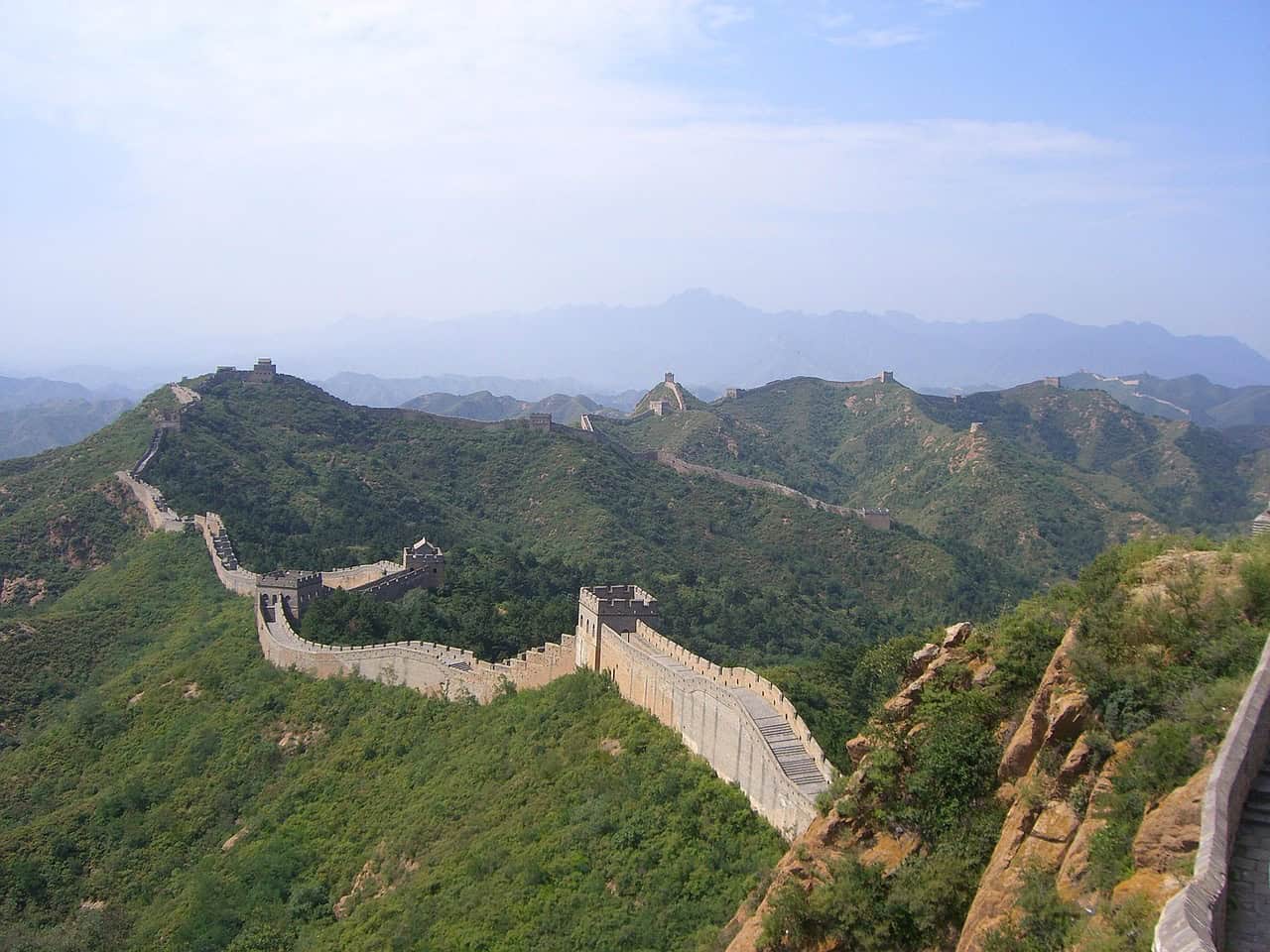
Stretching thousands of miles, the Great Wall of China is one of the most impressive feats of human engineering. Built to protect territories and signal invasions, it winds across mountains and deserts with breathtaking views at every turn. Visiting allows travelers to walk along sections that date back centuries and feel the scale of the effort it took to build. Beyond its historical importance, it’s also a reminder of how determination and unity shaped civilizations.
2. The Colosseum, Italy
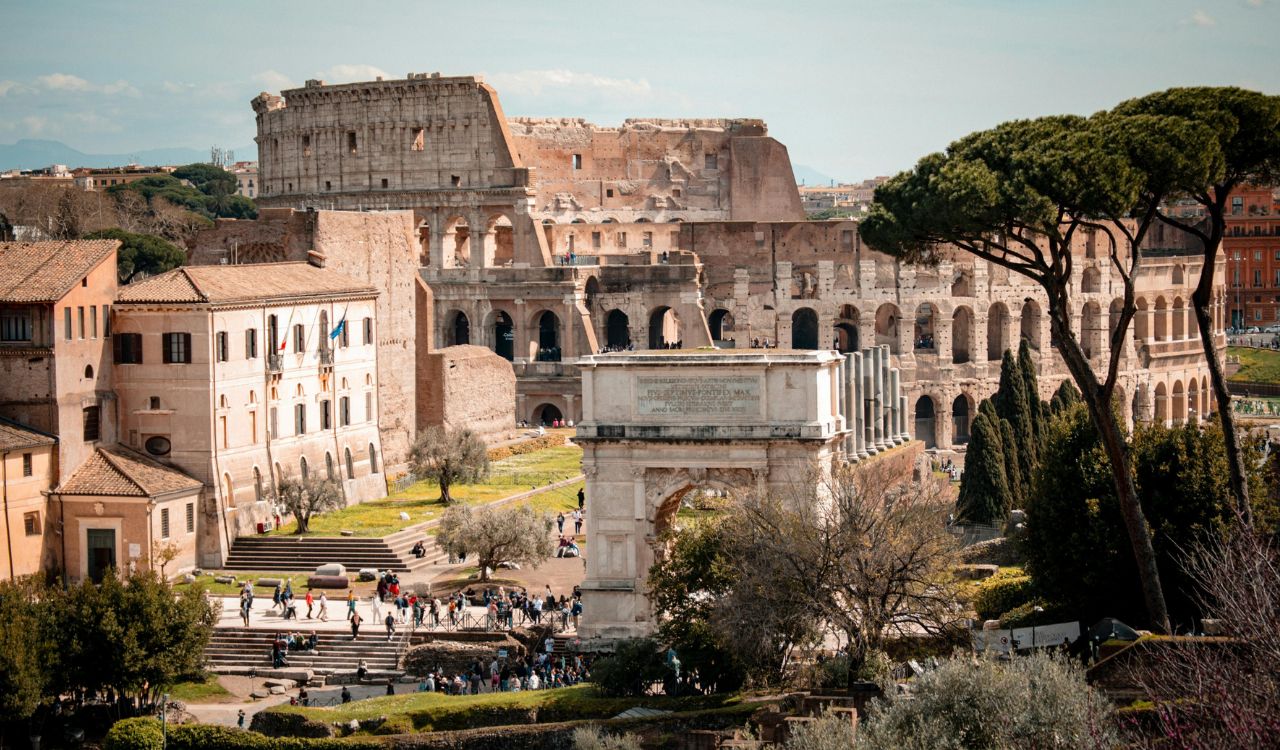
The Colosseum in Rome is an enduring symbol of the Roman Empire’s grandeur. Once hosting gladiator battles and public spectacles, the amphitheater held tens of thousands of spectators. Its arches and architecture remain a marvel despite centuries of wear. Standing inside, visitors can picture the roar of the crowds and the intensity of the events that unfolded here. The Colosseum is not just a ruin, but a reminder of both the brilliance and brutality of ancient Rome.
3. Machu Picchu, Peru
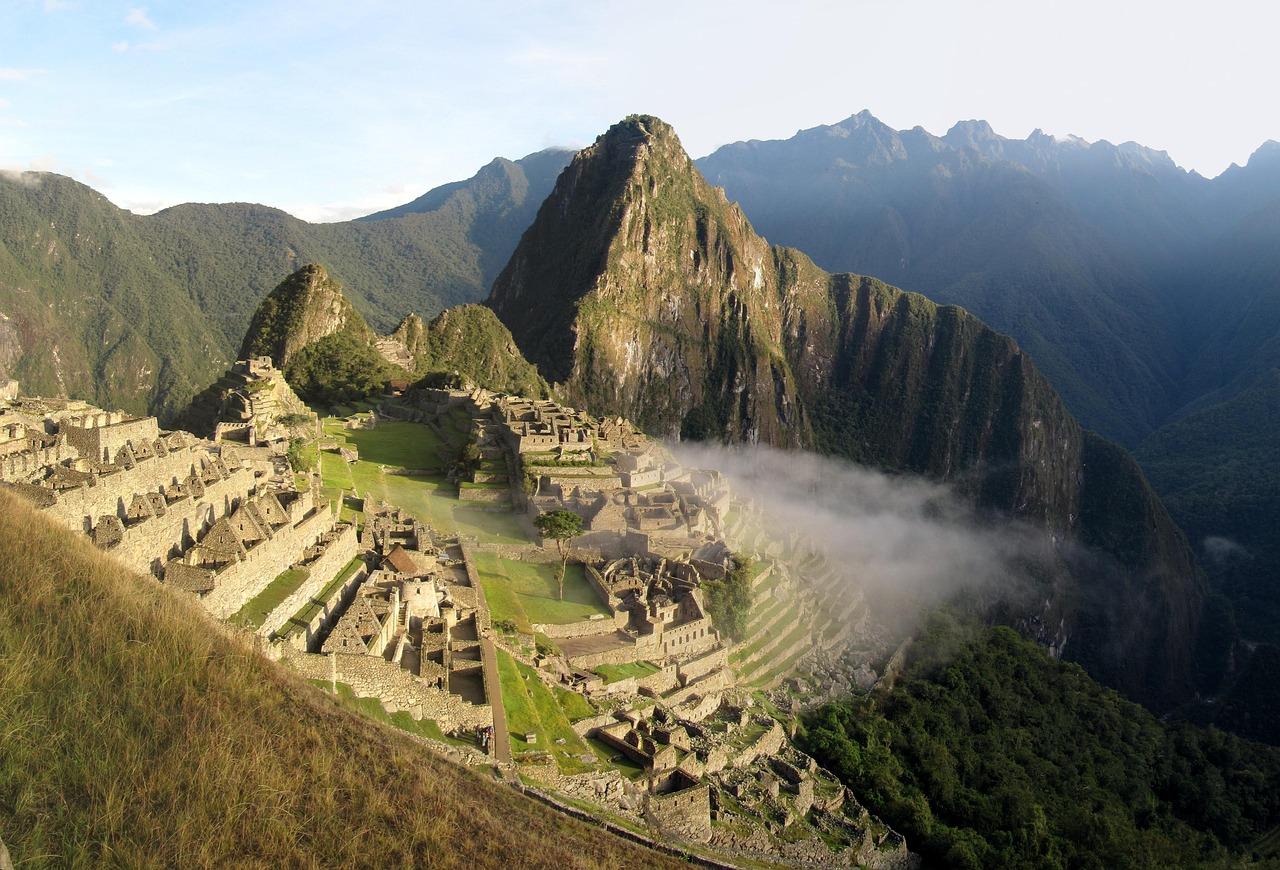
Hidden high in the Andes, Machu Picchu is a breathtaking reminder of the Inca civilization. Built in the 15th century, the site features terraced slopes, stone temples, and sweeping views that make the climb worthwhile. It’s often called a “lost city,” though locals always knew of its existence. Walking among the ruins, travelers gain a sense of how advanced the Inca were in engineering, agriculture, and city planning, all set against one of the most beautiful natural backdrops on earth.
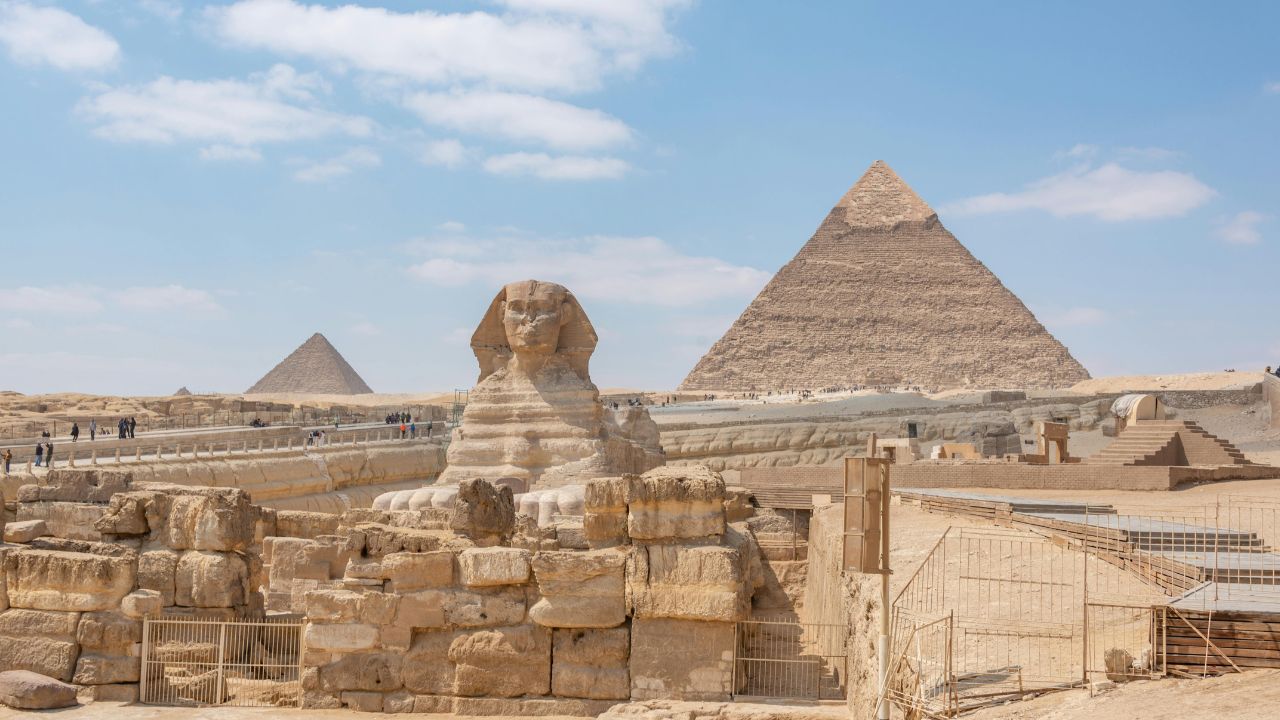
4. The Pyramids of Giza, Egypt
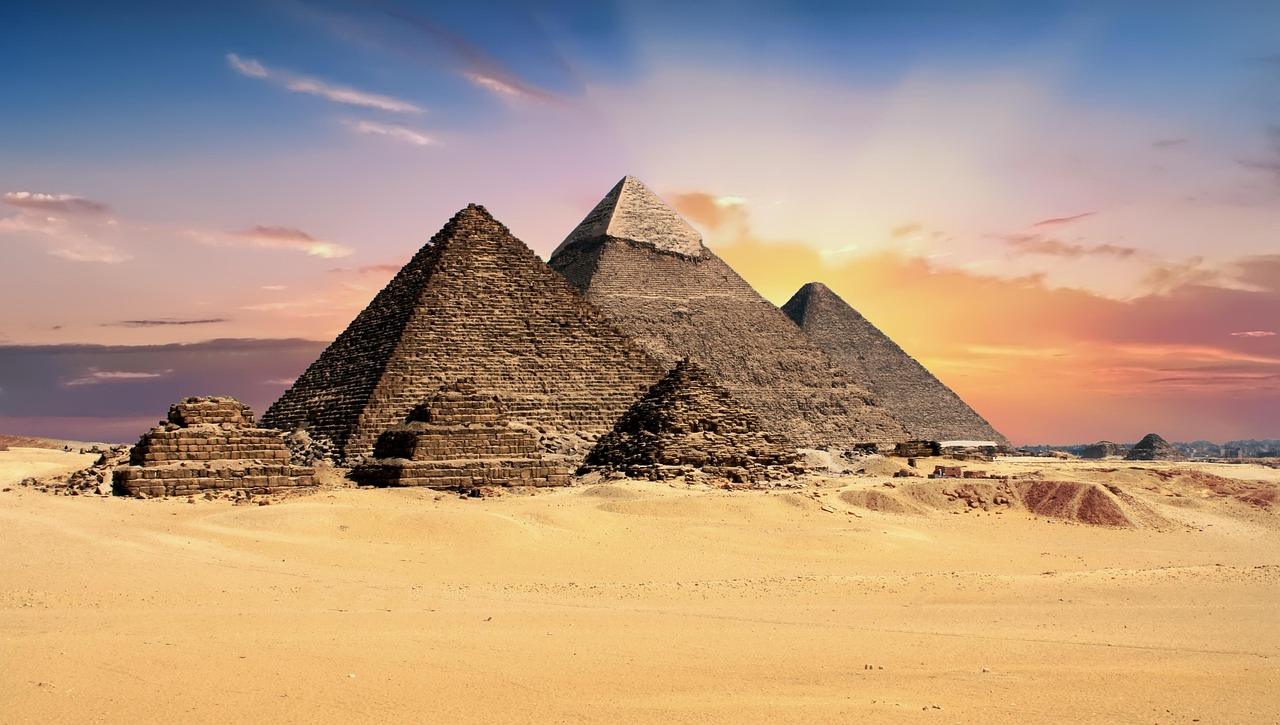
The Pyramids of Giza are among the world’s most recognizable landmarks, built over 4,000 years ago as tombs for pharaohs. The sheer size of these stone structures continues to amaze, as does the mystery of how ancient builders accomplished such a feat. Visiting gives travelers a chance to witness human ingenuity from one of the earliest civilizations. Standing before the pyramids, it’s impossible not to marvel at their endurance and the culture that built monuments designed to last forever.
5. Stonehenge, England
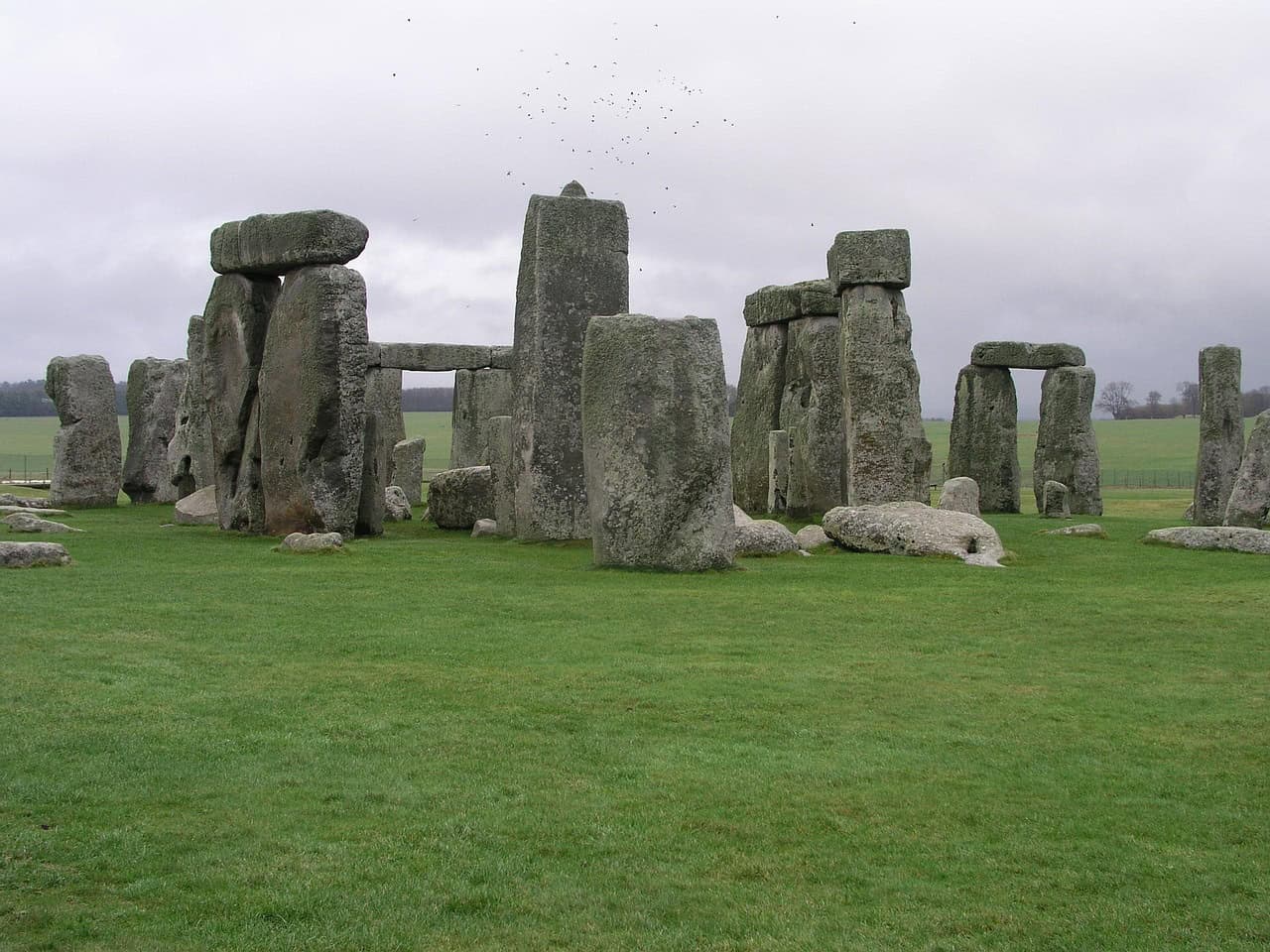
Stonehenge is one of the world’s most puzzling ancient sites, a circle of massive stones that has stood for thousands of years. Its exact purpose remains debated, with theories ranging from astronomy to religious ceremonies. Walking among the stones, visitors can appreciate both the mystery and the effort involved in transporting and arranging them. Despite centuries of study, the landmark’s secrets are not fully unlocked, making it a fascinating symbol of human curiosity and ancient ambition.
6. Angkor Wat, Cambodia
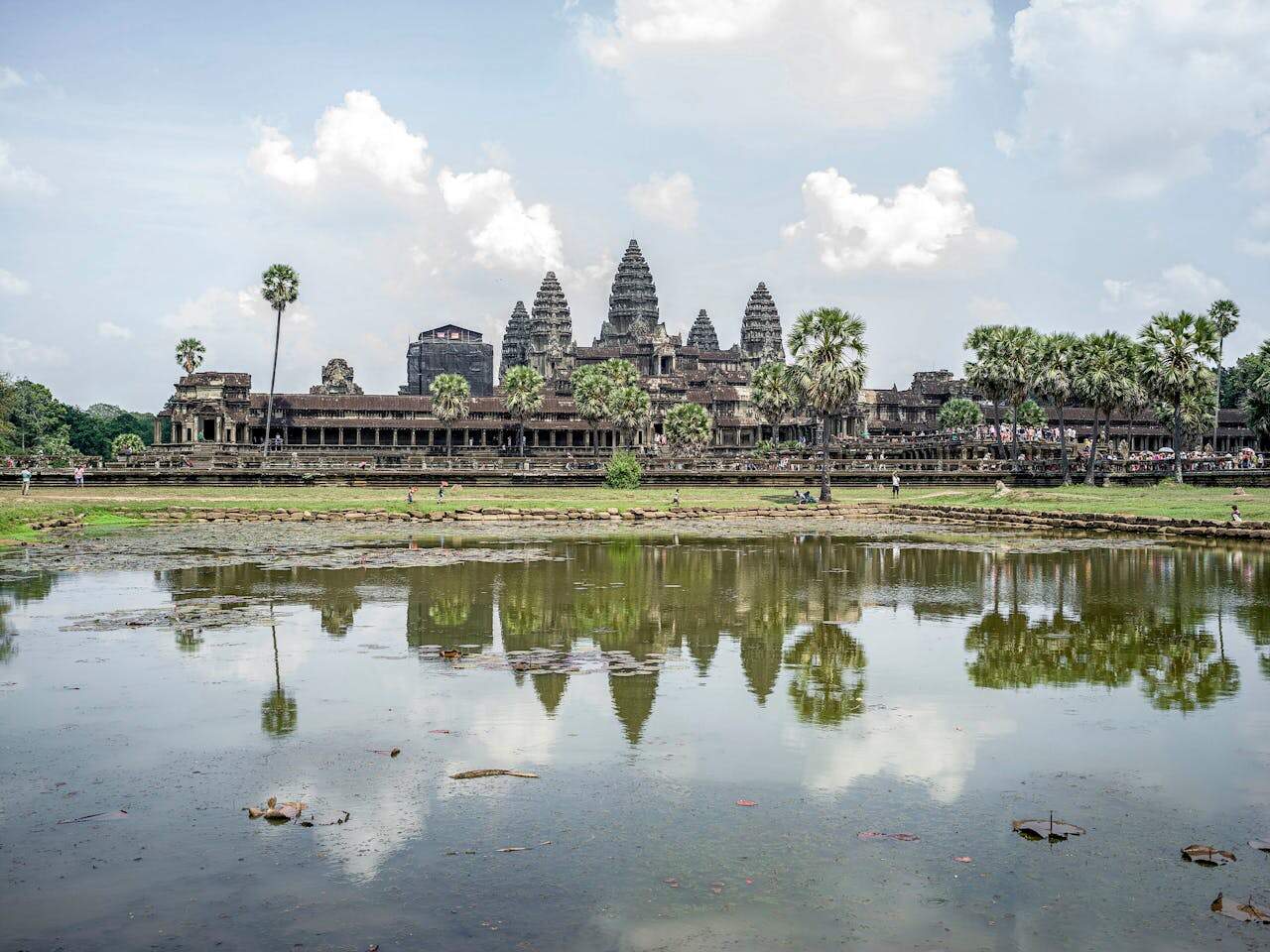
Angkor Wat is the largest religious monument in the world and a symbol of Cambodia’s cultural heritage. Originally built as a Hindu temple, it later became a center of Buddhism, blending traditions into its vast complex. Visitors can explore intricate carvings, grand towers, and peaceful courtyards surrounded by jungle. Sunrise at Angkor Wat is one of the most photographed moments in travel. The site captures both the spiritual devotion and architectural mastery of the Khmer Empire at its height.
7. Petra, Jordan
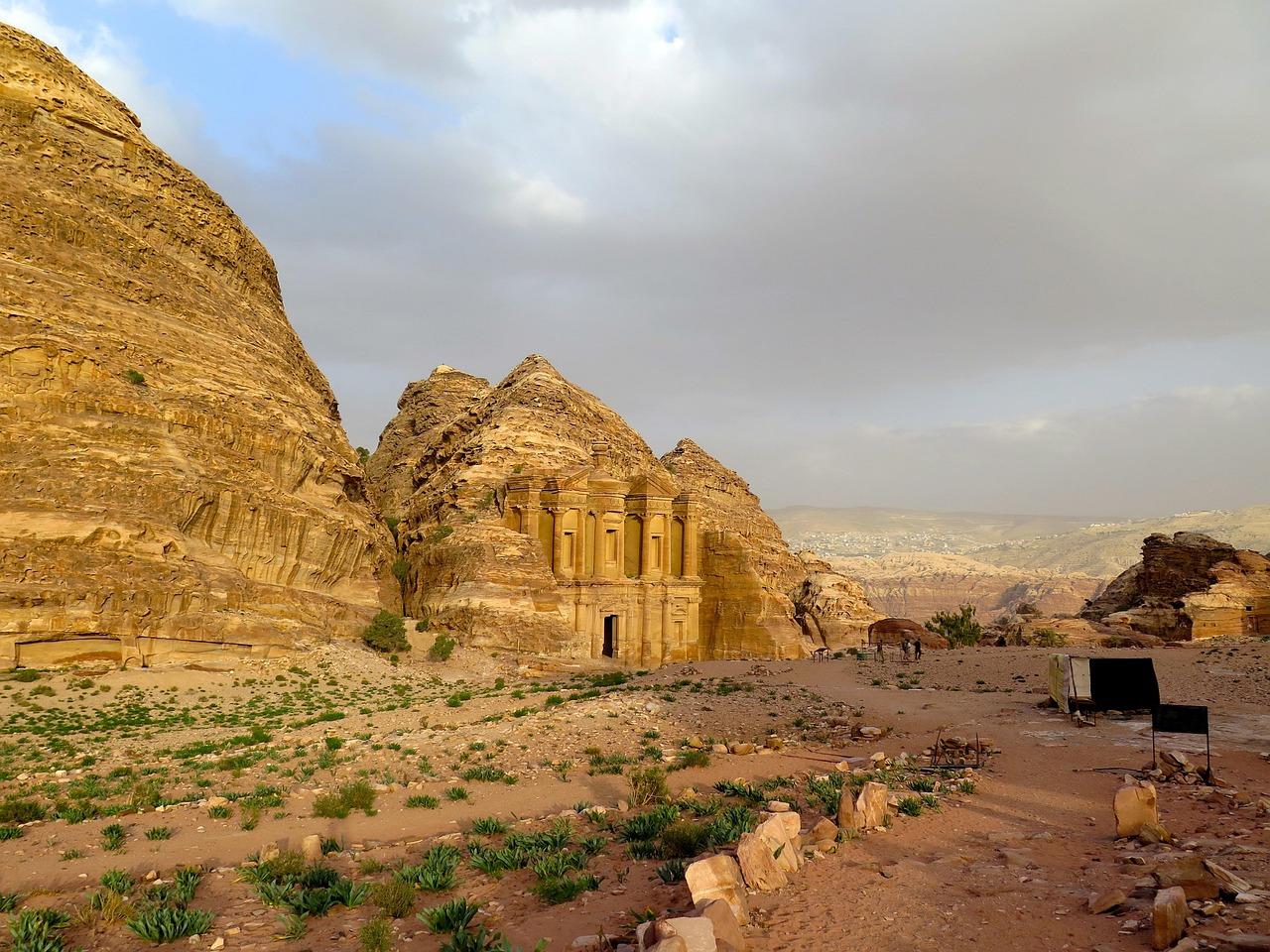
Petra, often called the “Rose City,” is carved directly into pink sandstone cliffs. Once a thriving trade hub of the Nabateans, its stunning structures include temples, tombs, and the iconic Treasury. The city’s design showcases advanced engineering, with water systems that sustained life in the desert. Walking through the narrow Siq canyon and emerging to see the Treasury is a moment few forget. Petra is more than a landmark; it’s a story of creativity and survival against a harsh landscape.
8. The Acropolis, Greece
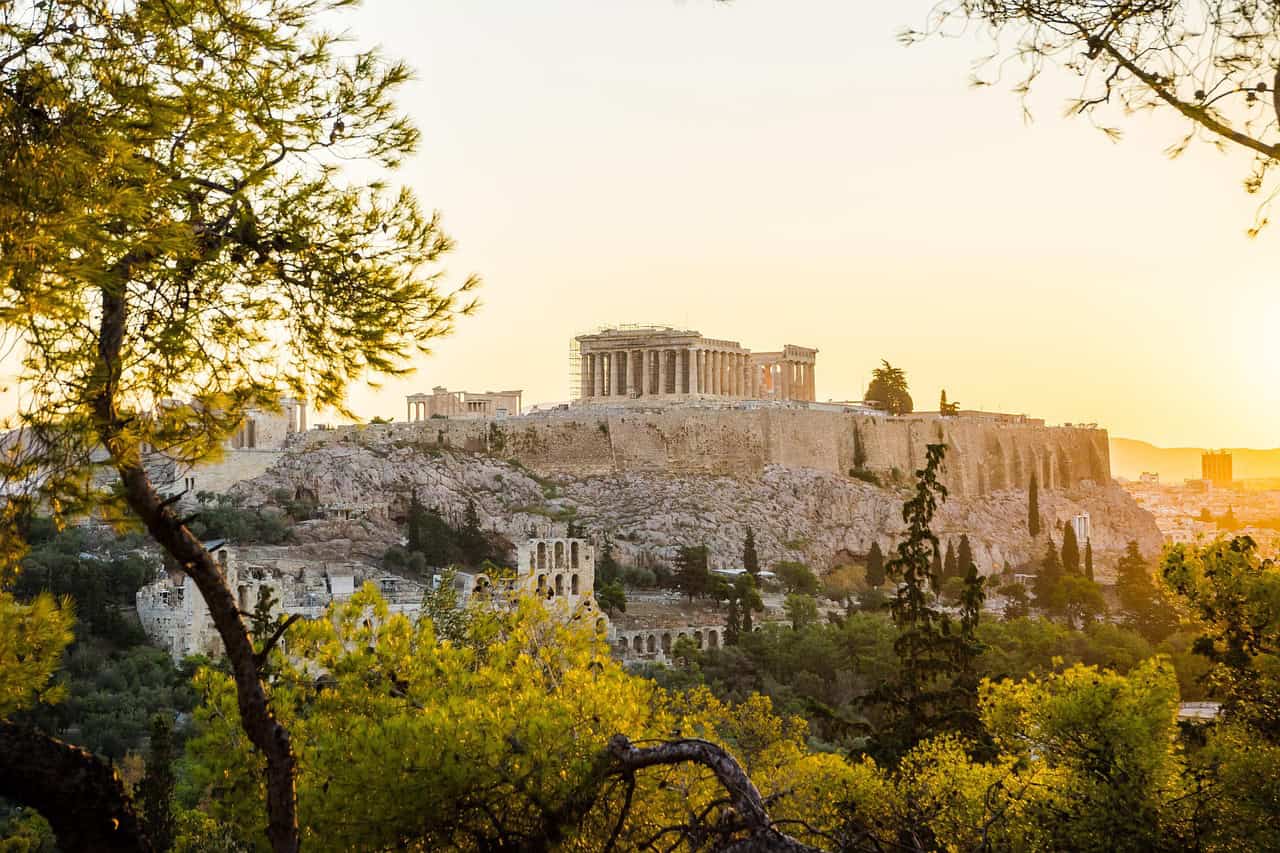
The Acropolis of Athens is a hilltop citadel crowned by the Parthenon, a temple dedicated to Athena. These ruins stand as symbols of ancient Greece’s contributions to democracy, philosophy, and art. Visiting the Acropolis means walking through history where thinkers, leaders, and citizens once gathered. Its architecture and scale continue to inspire, even in partial ruin. From the top, travelers also enjoy sweeping views of modern Athens, blending the past and present in one unforgettable experience.
9. The Eiffel Tower, France
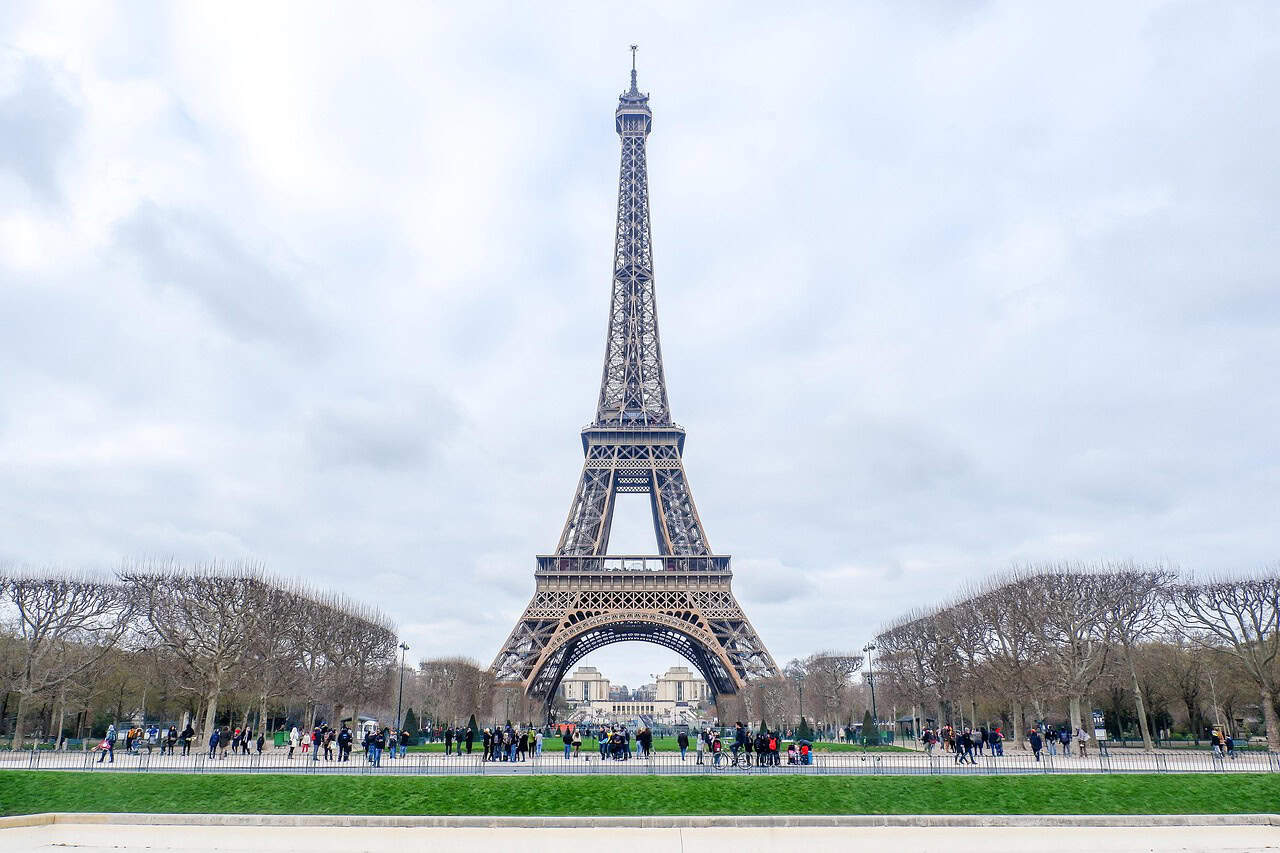
The Eiffel Tower was initially controversial when built in 1889, but today it’s one of the most beloved landmarks in the world. Rising high above Paris, it represents both artistic daring and engineering achievement. Visitors can climb or ride to its observation decks for panoramic city views. At night, the tower sparkles with lights, creating a moment of pure romance. More than just a landmark, it has become a global icon of creativity, beauty, and cultural pride.
10. The Taj Mahal, India
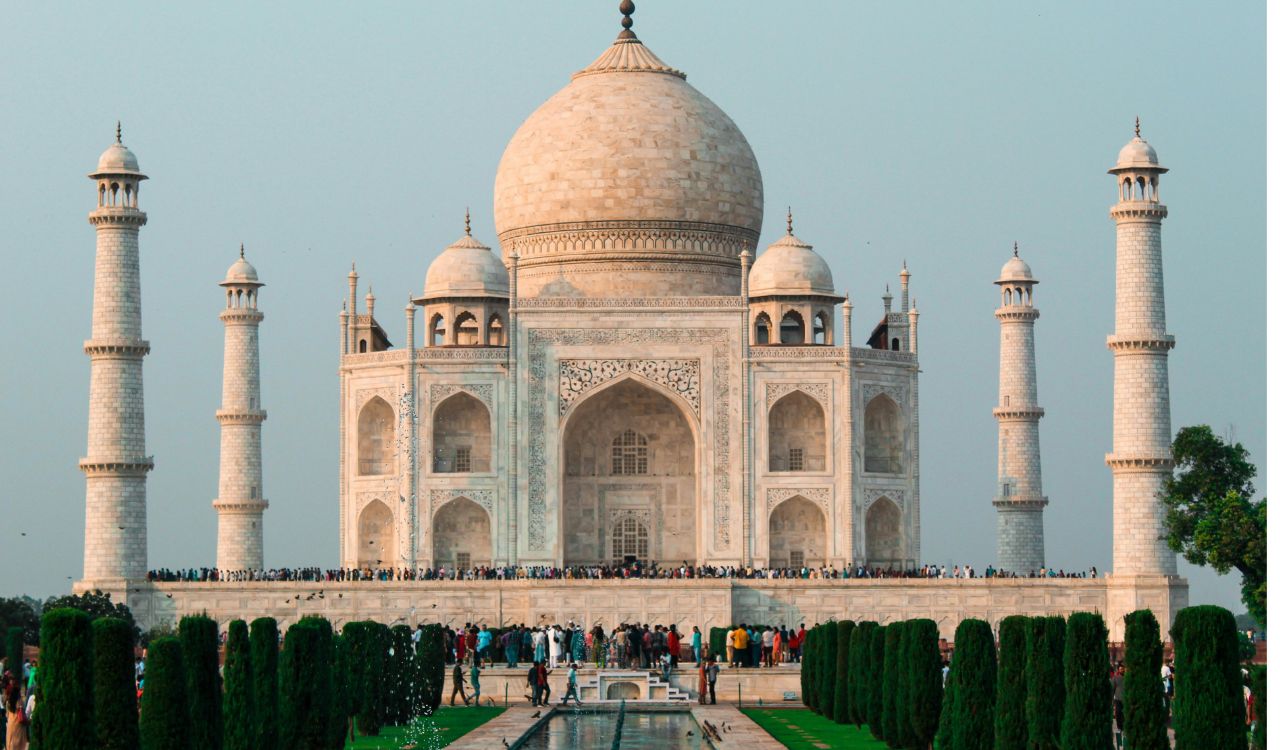
The Taj Mahal is often described as the ultimate monument to love. Built by Emperor Shah Jahan for his wife Mumtaz Mahal, the white marble mausoleum glows beautifully in changing daylight. Its symmetry, detailed carvings, and gardens create a peaceful atmosphere that draws millions each year. Visiting allows travelers to admire not only its artistry but also the deep human story behind it. The Taj Mahal embodies devotion, loss, and beauty in a way few landmarks can.
11. Chichen Itza, Mexico
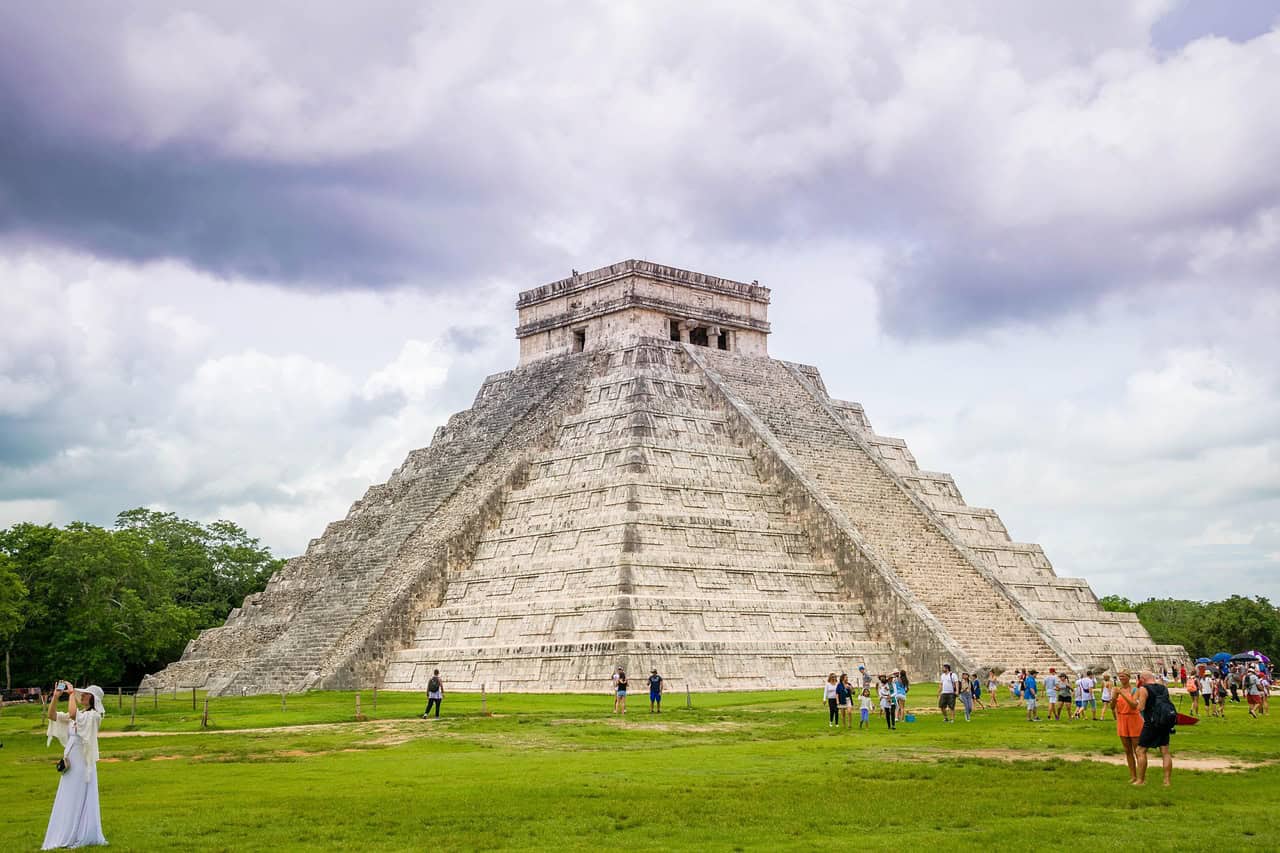
Chichen Itza was once a powerful Mayan city, with the Pyramid of Kukulcán as its centerpiece. The pyramid aligns with astronomical events, showcasing the Mayans’ deep knowledge of the stars. Exploring the site reveals temples, ball courts, and sacred cenotes that highlight the city’s religious and cultural importance. Travelers come away impressed by the sophistication of Mayan civilization. Visiting Chichen Itza is a journey into both science and spirituality, rooted in one of the Americas’ greatest cultures.
12. The Statue of Liberty, USA
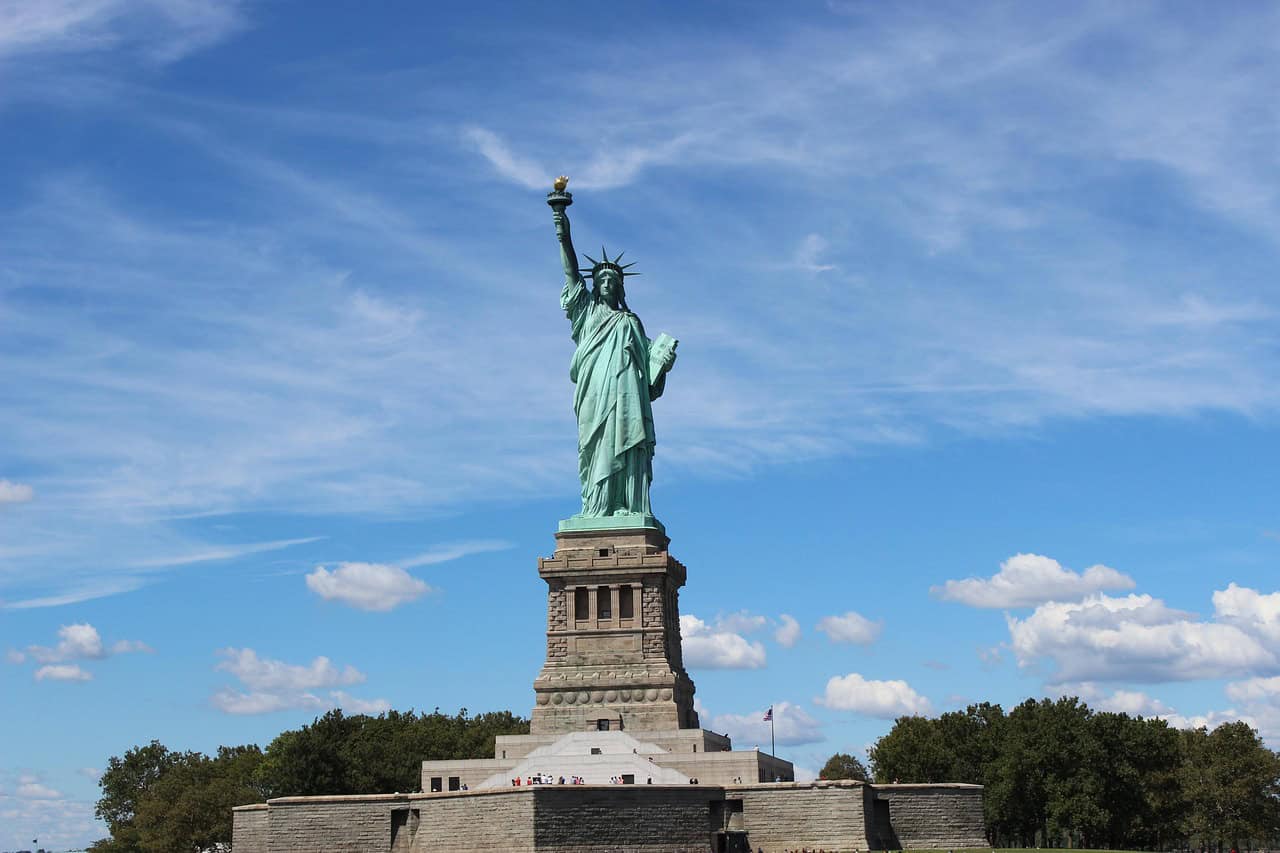
Gifted by France in the 19th century, the Statue of Liberty stands as a global symbol of freedom and opportunity. For millions of immigrants arriving by sea, it was the first sight of a new beginning. Today, visitors can tour the pedestal or climb to the crown for views of New York Harbor. The statue represents ideals of hope, resilience, and unity that continue to inspire worldwide. It’s a landmark that speaks to both history and aspiration.
13. Alhambra, Spain
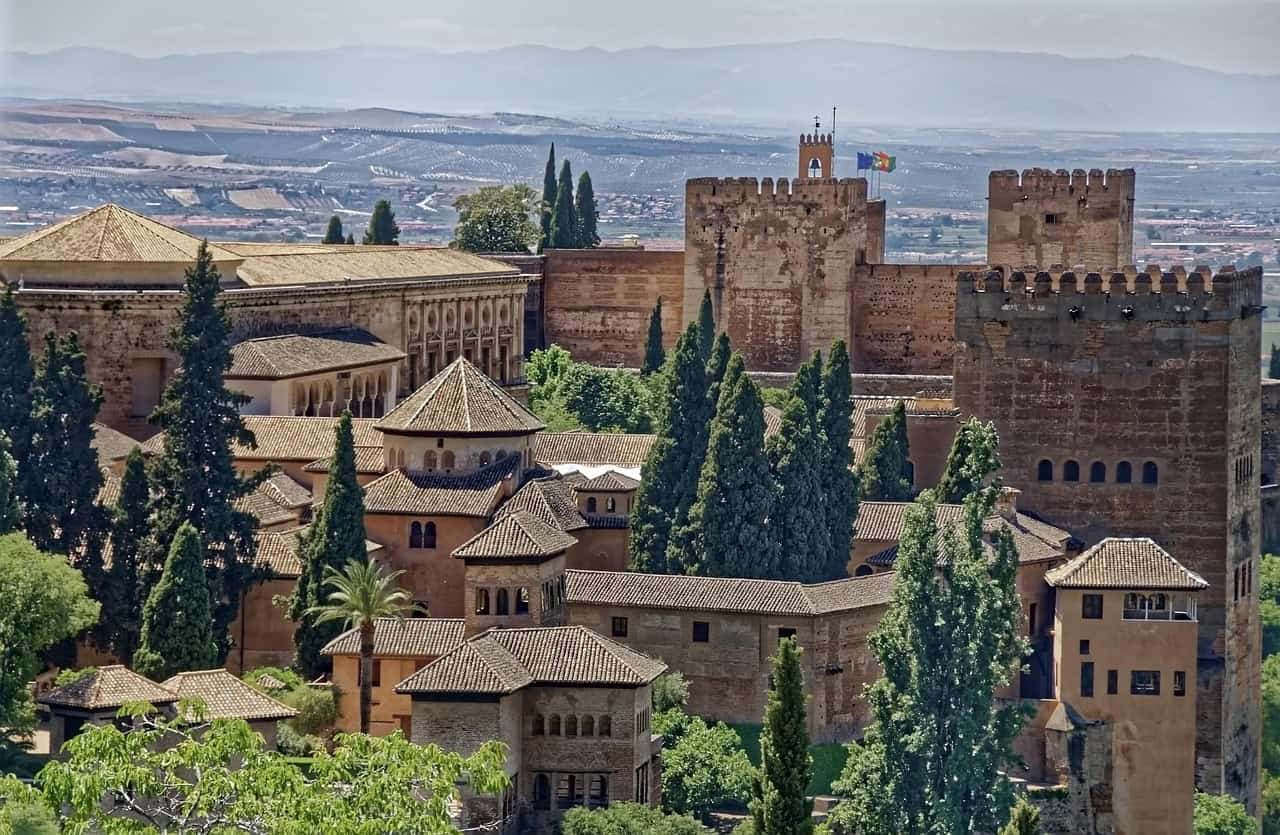
The Alhambra in Granada is a stunning palace and fortress complex that reflects the height of Moorish art and culture. Its intricate tilework, arches, and gardens make it one of the most beautiful historic sites in Europe. Visitors can wander through palaces and courtyards that once housed rulers and scholars. The blend of architecture, poetry, and nature creates a unique atmosphere. The Alhambra remains a reminder of cultural exchange and the richness of Spain’s layered history.