Michigan’s Lake Michigan Shoreline Has Plenty of Resort Towns. Here’s the 2 That Still Feel Local
We may earn money or products from the companies mentioned in this post. This means if you click on the link and purchase the item, I will receive a small commission at no extra cost to you ... you're just helping re-supply our family's travel fund.
Michigan’s Lake Michigan shoreline is famous for resort towns, from Saugatuck and Holland in the south to Charlevoix and Harbor Springs in the north. Many are lovely, and many are crowded and expensive in July. For travelers who want sand, sunsets, and lighthouses without a purely tourist feel, Lake Michigan towns that feel local are worth seeking out. Two of the best are Ludington and Manistee, working port towns on the lake’s northern-middle coast.
Both have year-round residents, working harbors, historic downtowns, and public beaches that do not require a resort fee. They are also about 45 miles apart, so you can visit both in a long weekend. Details such as hours and prices change, so check before you go.
The 2 Lake Michigan Towns That Feel Local
What makes a town feel local? A downtown with ordinary businesses, such as hardware stores and diners, and not only gift shops. Residents who live there all year. Industries beyond tourism, such as shipping, manufacturing, or energy. Public access to the lake. Prices that locals can afford. Ludington and Manistee fit those descriptions better than many more famous destinations.
1. Ludington: Car Ferry, Dunes, and a Working Harbor
Ludington, the seat of Mason County, has about 7,700 residents. It sits at the mouth of the Pere Marquette River and Pere Marquette Lake, with a channel to Lake Michigan. Its working harbor and long beaches define the town, and the area’s economy mixes tourism, health care, manufacturing, and energy. A large pumped-storage hydroelectric plant on the lakeshore is one of the major facilities in the region.
The best-known icon is the SS Badger, a coal-fired car ferry that crosses Lake Michigan between Ludington and Manitowoc, Wisconsin, during the warmer months. The crossing takes about four hours, and passengers can bring cars, so some travelers use it to loop around the lake. It is a National Historic Landmark, and schedules and fares vary, so check before you go.
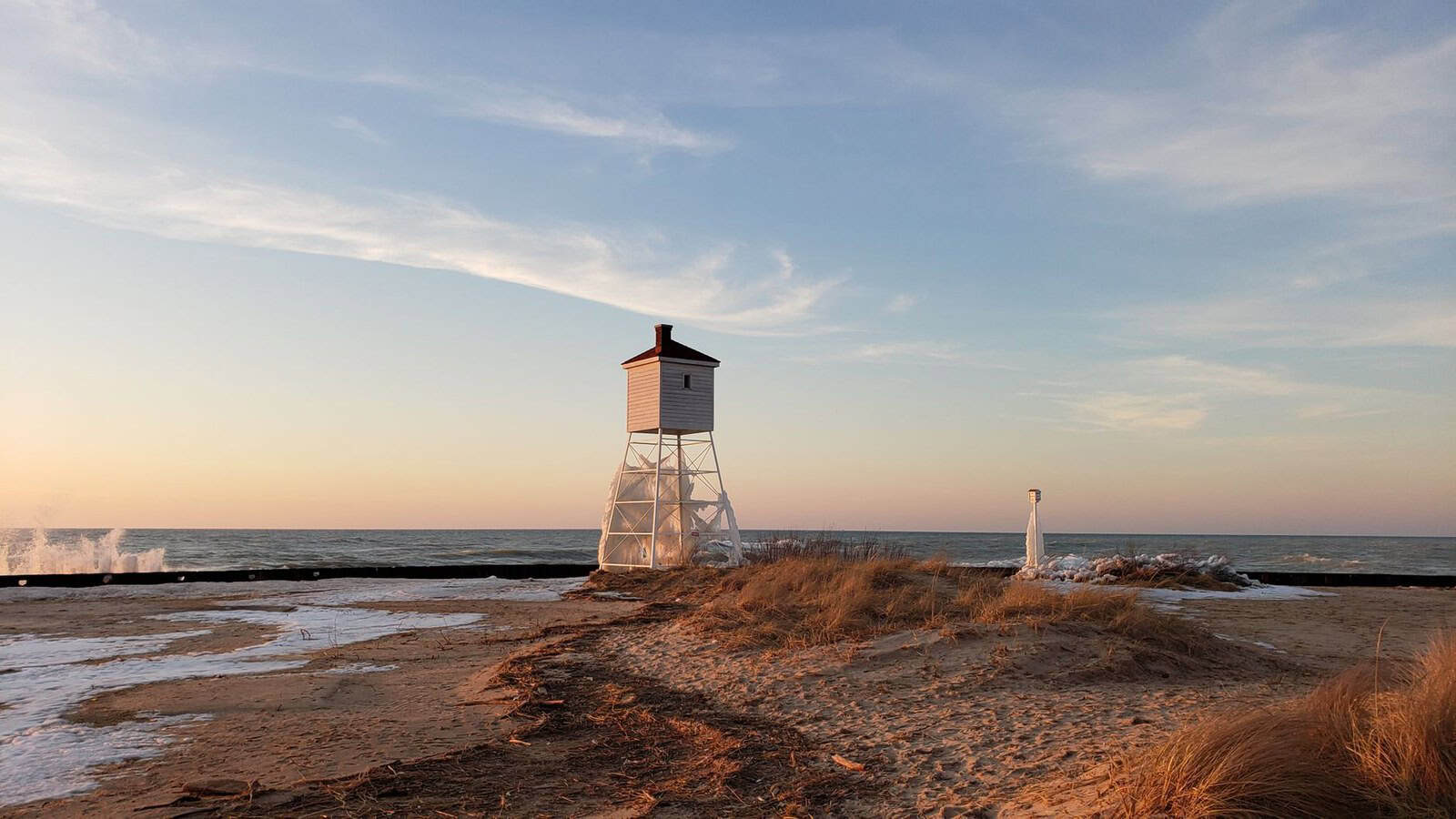
Ludington State Park, a few miles north, is one of Michigan’s most popular parks, with miles of sandy beach, dunes, trails, and a lighthouse. The Big Sable Point Lighthouse, with its black and white stripes, can be reached by a walking trail along the beach, and the climb to the top offers sweeping views. A state park fee or Recreation Passport is required, so check before you go. In town, the Ludington North Breakwater Light can be reached by a walk along the pier, and Stearns Park has a wide public beach. Downtown Ludington has shops, restaurants, and a famous ice cream parlor, House of Flavors, which has been serving local residents for decades.
Lodging ranges from motels and campgrounds to historic inns, with summer weekend rates often in the range of 120 to 250 dollars, and much lower in the shoulder season. Ludington also hosts events such as a fireworks celebration in summer, and fall color along the shoreline. Winters are snowy and quiet.
2. Manistee: Victorian Downtown and Salt Town Roots
Manistee, the seat of Manistee County, has about 6,200 residents and is about 45 miles north of Ludington along US 31. It grew in the nineteenth century as a lumber and salt town, and the brick buildings from that time still line its downtown. The community’s Victorian architecture, including the Ramsdell Theatre and the Lyman Building, gives it a grounded, historic feel.
The Manistee River Riverwalk follows the river and the channel to Lake Michigan, passing a lighthouse and pier. First Street Beach is a public beach with a view of the Manistee North Pierhead Lighthouse, which can be reached by a walk along the pier. In addition to tourism, the local economy includes salt and chemical production, a regional medical center, and a casino. The Manistee National Forest lies to the east and south, with trails, rivers, and campgrounds.
The town hosts the National Forest Festival each summer, a long-running local celebration with a parade and community events. The Manistee County Historical Museum, the Ramsdell Theatre, and the Victorian Port City festival in summer are also reasons to visit. Lodging is in the range of 100 to 200 dollars on summer weekends, with lower prices off-season, and campgrounds and cabins are plentiful nearby. Check before you go.
How They Compare With Bigger Resort Towns
- Pace: both are less crowded than the best-known resort towns, even in July.
- Prices: lodging, food, and activities are generally lower than in resort hubs, though weekend rates rise.
- Residents: more of the people you meet live there year-round.
- Industry: shipping, energy, and manufacturing provide jobs beyond tourism.
- Access: beaches and piers are public and often free.
- Amenities: both have full-service grocery stores, hospitals, and everyday businesses.
Neither town is untouched by tourism, and both have seasonal businesses. But the balance feels different.
Planning a Weekend
A good plan starts in Ludington on Friday evening with a walk on the breakwater at sunset. On Saturday, visit Ludington State Park in the morning, hike to Big Sable Point, and spend the afternoon on the beach. Have dinner downtown. On Sunday, drive north to Manistee, walk the Riverwalk and the pier, and explore the downtown. If you prefer a slower trip, spend two nights in one town and day-trip to the other.
Along the way, side trips include Silver Lake State Park’s dunes to the south, the small town of Pentwater, and the Sleeping Bear Dunes National Lakeshore farther north. The road along the lake is scenic, with views and small farm stands in summer.
Best Times to Go
Summer is the main season, with warm days, swimming, and long evenings, though the water remains cool. Late June, July, and August are the busiest. September can be a sweet spot, with warm days, fewer people, and lower prices. Fall colors in October are spectacular. Winter brings snow, ice, and quiet, with ice formations along the piers, though some businesses close. Spring is mild and good for birdwatching.
Tips for Visiting
- Book summer lodging early, since small towns have limited rooms.
- Buy state park passes online, and check for entry rules.
- Bring layers, since lake breezes can be cool even in summer.
- Respect posted warnings at piers and beaches, since Lake Michigan waves and currents can be dangerous, especially on windy days.
- Support local businesses, including diners, bakeries, and shops.
- Avoid trespassing on private beaches, and follow dune protection rules.
- Check ferry schedules and reservations if you plan to cross to Wisconsin.
Why Local Matters
Choosing a town that feels local is not only about having a better trip. Visitor spending in working towns can support year-round businesses and jobs, and it tends to be spread across many small enterprises. It also helps protect the character that attracted you in the first place. Towns that rely on a single season can become empty and expensive. Ones with mixed economies tend to be more resilient.
More Local Stops Along the Way
If you have extra time, the stretch between Ludington and Manistee, and the coast beyond, offers more places that keep a local feel.
- Pentwater: a small harbor village south of Ludington with a walkable downtown, a public beach, and a summer farmers market.
- Onekama: a small community on Portage Lake with a quiet beach and a classic lakeside feel.
- Frankfort: a harbor town north of Manistee with a lighthouse, a downtown, and access to Sleeping Bear country.
- Silver Lake: a dune area south of Ludington where off-road vehicles are allowed in some parts and a state park offers sandy trails.
- Manistee National Forest: miles of hiking, canoeing on the Pere Marquette and Manistee rivers, and camping.
Many of these places are small and seasonal, so check before you go for hours, especially in the shoulder seasons.
What to Eat
Food here leans toward lake fish, Midwestern comfort dishes, and summer produce. Look for whitefish, perch, and smoked fish at local shops. Cherries, peaches, blueberries, and apples fill roadside stands in season, since western Michigan is a major fruit-growing region. Diners serve breakfast, and bakeries sell pasties, pies, and pastries. Ice cream stands are everywhere in summer. Casual meals typically cost 10 to 25 dollars per person, and prices vary by season.
Local breweries and wineries are also growing. The region’s lakeshore climate supports grapes and orchards, and you may find tasting rooms along back roads. If you drink, plan transportation.
Tips for Beach Days
Public beaches in both towns are the main attraction, so a few tips help.
- Arrive early on summer weekends, since parking lots fill.
- Bring water, sun protection, and a cooler.
- Check wave and water conditions. Lake Michigan can have strong currents, and flags or signs warn when swimming is dangerous.
- Pack up your trash and respect dune plants, which hold the sand in place.
- Watch the weather. Storms can build quickly over the lake.
- Be ready for cold water, even in August.
- Take a walk on a pier only when waves are calm, since big waves can wash over.
The Feel of the Place
What makes these towns feel local is partly the details. A diner with a counter of regulars, a hardware store on the main street, a high school football game on Friday night, and a church supper on Saturday. Residents wave from trucks, and teenagers work in the summer at ice cream stands. In winter, the same streets are quiet, and snowplows run early. That year-round rhythm is what visitors sense.
It is also why courtesy matters. These are communities where people know each other, and visitors are guests. Greeting people, tipping well, and following local rules help preserve the welcome.
The Takeaway
Ludington and Manistee are two Lake Michigan towns that feel local because they remain working places with real downtowns, public beaches, and industries beyond tourism. Visit for lighthouses, dunes, and sunsets, and stay for the people. Check hours, ferry schedules, and prices before you go, and spend your money in town.