10 Travel Ban Surprises Americans Don’t Realize Will Affect Their 2026 Trips Abroad
We may earn money or products from the companies mentioned in this post. This means if you click on the link and purchase the item, I will receive a small commission at no extra cost to you ... you're just helping re-supply our family's travel fund.

Planning international travel in 2026 comes with more surprises than most Americans expect. Beyond usual visa checks and airport security, new rules are being enforced that can catch even experienced travelers off guard. From stricter entry requirements to digital vaccination records, these changes affect millions of Americans who assume past travel norms still apply. Understanding each factor is crucial for smooth, stress-free trips abroad.
1. Stricter Entry Requirements in Popular Destinations

In 2026, 42 countries, including Japan, South Korea, and Germany, now enforce advanced biometric checks and pre-approved e-visas. Even short visits under 30 days require travelers to submit vaccination proof or recent health tests. Tourists ignoring these updates risk denied boarding or fines ranging from $100–$500 at arrival. Americans planning quick stops in Europe or Asia often assume standard tourism rules apply, but governments increasingly prioritize health monitoring and immigration control.
2. Extended Passport Validity Rules
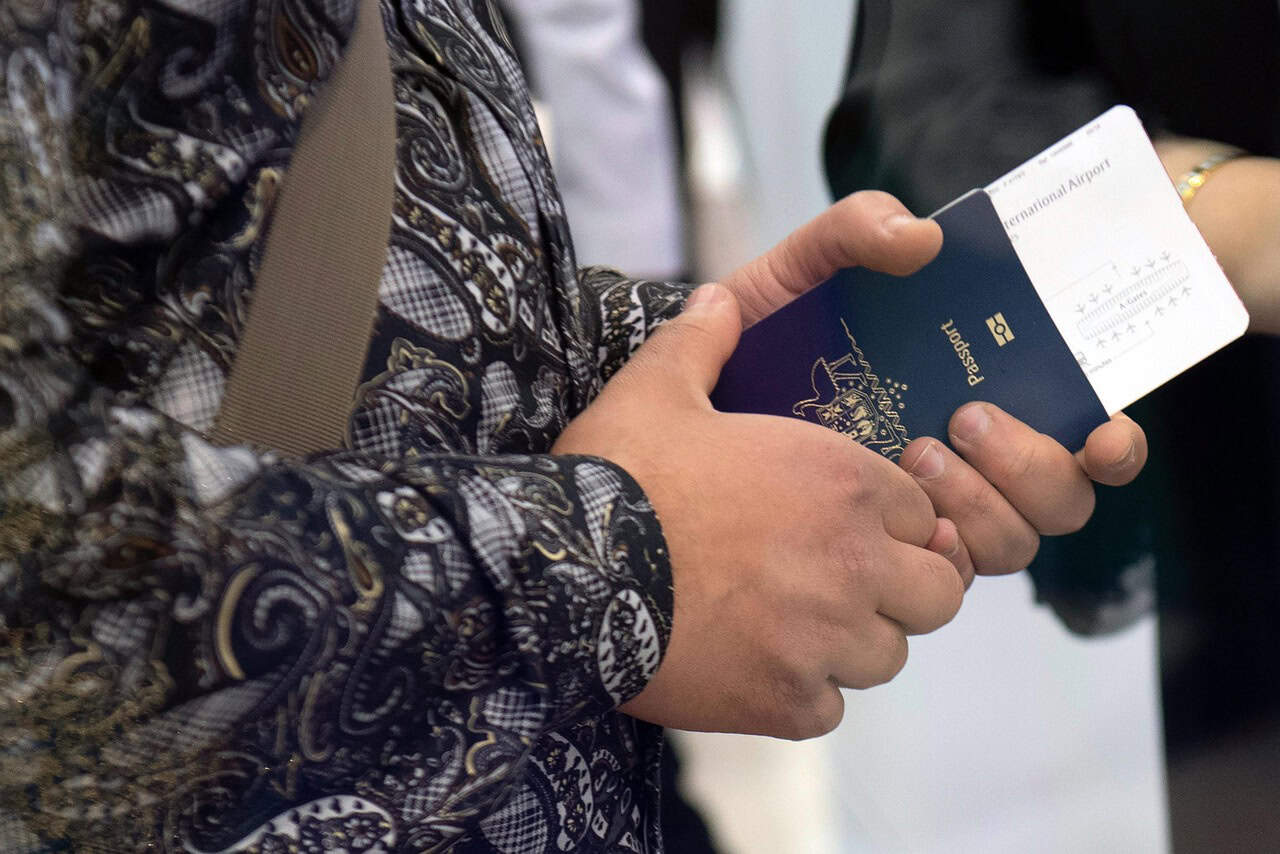
Forty-seven countries now demand passports valid 12 months beyond the traveler’s return, up from the old six-month standard. Americans with passports expiring in 2026 may face denied entry, even on short flights to Canada, Mexico, or the U.K. Airlines increasingly check compliance, and last-minute renewals can cost $170 or more. This rule impacts approximately 18 million Americans with passports expiring in the next two years, emphasizing the need for careful planning before booking international trips.
3. Mandatory Travel Insurance for Entry
In 2026, 26 countries, including Italy, France, and Australia, require proof of travel insurance covering medical emergencies, including COVID-19 treatment. Travelers without valid coverage can face denial of entry or on-the-spot insurance fees averaging $150–$300. Americans often underestimate this, thinking domestic health plans suffice abroad. Airlines now verify policies digitally, making prior preparation essential. Roughly 12 million U.S. tourists could be affected annually if they fail to meet insurance requirements.
4. Digital Nomad Visa Requirements for Remote Work

Countries like Portugal, Greece, and Estonia now differentiate between short-term tourism and remote work. Americans planning to work online abroad for even 15 days may need a digital nomad visa, which costs $150–$500 and can take up to 90 days to process. Ignoring this can lead to fines, deportation, or future bans. In 2026, approximately 750,000 Americans are expected to travel abroad while working remotely, making this a crucial update for long-stay tourists who assume casual laptop use is permitted.
5. Expanded Airline Carry-On Restrictions
By 2026, over 70% of international airlines have tightened carry-on rules. Items like lithium-ion batteries, e-cigarettes, and large power banks may require permits or must be checked. Violations can lead to confiscation or $50–$250 fines at security. Americans used to informal packing often discover these updates only at the airport. Travelers are advised to check the International Air Transport Association (IATA) regulations and each airline’s policy before departure to avoid delays, last-minute repacking, or missed flights.
6. Automatic Visa Waiver Denials for Minor Criminal Records

Even minor offenses, such as traffic violations or misdemeanors, now trigger automatic denial of visa waivers in Canada, Australia, and the U.K. Approximately 1.2 million Americans could be affected in 2026. Denials require disclosure, police clearance, or additional fees of $100–$250. Many assume old minor offenses won’t impact entry, but border authorities increasingly use digital criminal record checks. Proper disclosure and documentation are crucial, as failure to comply can result in detention or long-term travel restrictions.
7. Updated Customs Declaration Rules
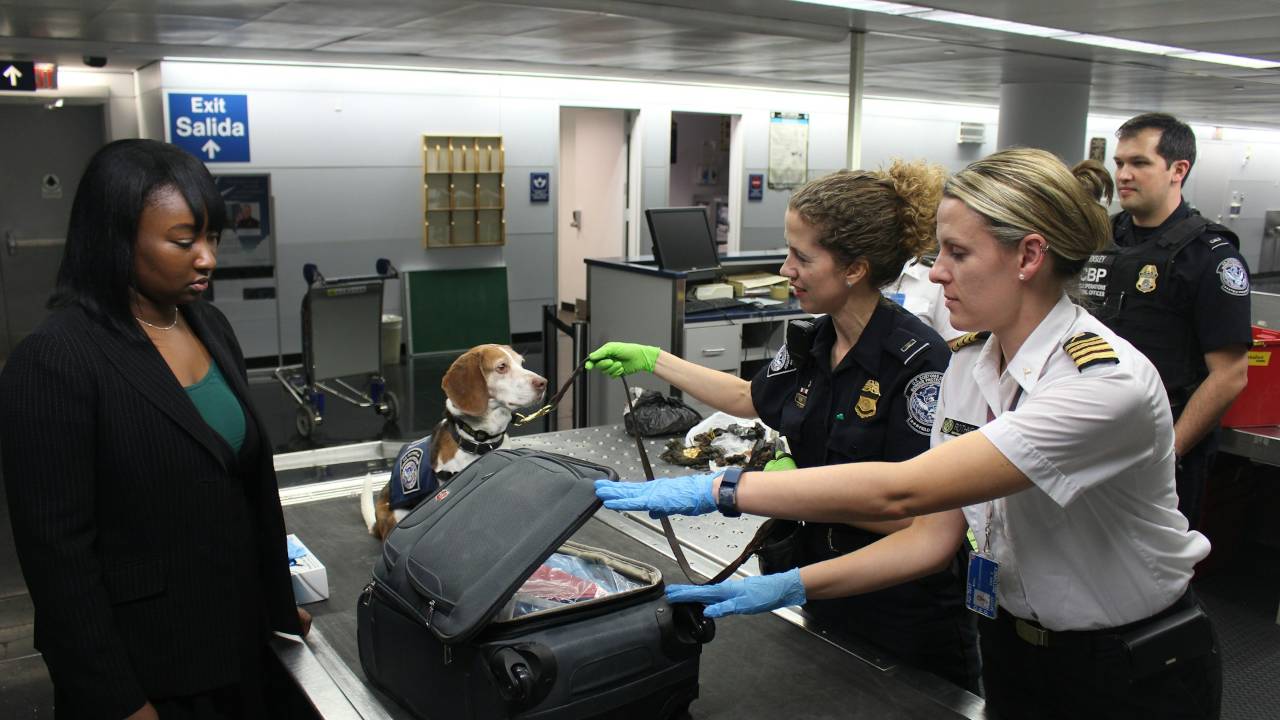
Countries like China, India, and Brazil now require detailed declarations for electronics, luxury goods, and medication. Failure to comply can result in fines from $50 to $1,000, confiscation, or delays. Approximately 8 million American travelers bring expensive devices or jewelry abroad annually, many unaware of these stricter protocols. Travelers must prepare itemized lists and receipts for high-value items. Customs officers increasingly perform random checks, making compliance critical to avoid unexpected financial penalties or prolonged airport inspections.
8. Digital Vaccination Records Are Now Mandatory

By 2026, nations including Singapore, South Korea, and the Caribbean require secure digital vaccination certificates with QR codes. Paper documents alone may lead to quarantine or denied entry. Roughly 6 million Americans traveling abroad may face these checks each year. Digital verification ensures authenticity, linking directly to official health databases. Travelers must update records through recognized apps or portals before departure, as authorities strictly enforce compliance to protect public health, marking a major shift from pre-2020 practices.
9. Loyalty Status No Longer Guarantees Flexibility

Frequent flyers with elite status may notice reduced benefits in 2026. Airlines limit last-minute point redemptions, reduce free baggage allowances, and impose stricter cancellation policies. Approximately 3.5 million Americans rely on elite perks for smoother travel, but these changes can cause unexpected fees of $50–$200 per flight. Status alone no longer guarantees priority boarding or upgrades, requiring careful planning and frequent review of airline policies to avoid surprises, especially during peak international travel seasons.
10. Enforcement of Destination-Specific Travel Alerts

Travel advisories from the U.S. government now carry tangible consequences in over 25 countries. Regions flagged for civil unrest, health hazards, or environmental threats may require registration, restrict entry, or mandate escorted travel. Roughly 2 million Americans traveling to high-risk zones annually could face delays, fines, or detention. Assuming advisories are suggestions is risky, as authorities increasingly monitor compliance. Staying updated on alerts is essential, as failure to do so can turn what seems like a routine trip into a logistical and legal nightmare.