Americans With Criminal Records Are Getting Turned Away at the Canadian Border — Here’s Who’s at Risk
We may earn money or products from the companies mentioned in this post. This means if you click on the link and purchase the item, I will receive a small commission at no extra cost to you ... you're just helping re-supply our family's travel fund.
Canada and the United States share the largest undefended border in the world, and Americans cross it constantly for hockey games, Niagara Falls, skiing in Whistler, and city visits to Toronto and Vancouver. What a significant number of Americans don’t know until they’re turned away at the crossing is that Canada’s entry standards for people with criminal records are substantially stricter than anything the US enforces at its southern border. And DUI is the biggest trap.
Why DUI Is the Most Common Canadian Entry Problem for Americans
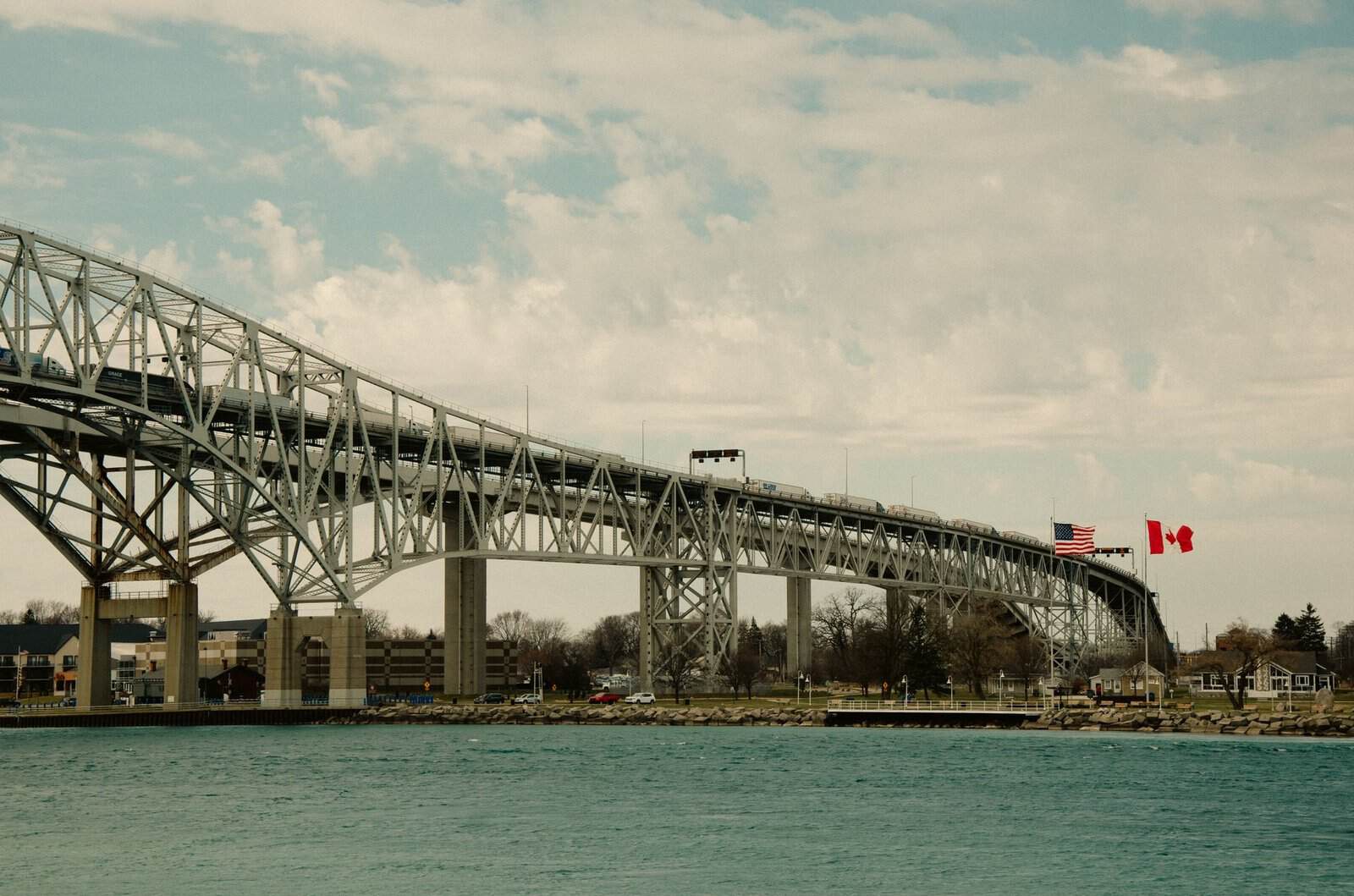
Under Canadian law, driving under the influence is classified as a “serious criminality” — equivalent to what would be considered a serious indictable offense. The maximum sentence for DUI in Canada exceeds 10 years, which places it in the category of offenses that render a foreign national “inadmissible” to Canada without specific authorization. In the United States, a first-offense DUI is typically a misdemeanor with relatively minor long-term consequences. In Canada, that same offense makes you inadmissible.
The Canada-US information sharing system means Canadian Border Services Agency officers have access to US criminal records in real time. Americans who drive to the Canadian border without knowing their DUI creates a problem don’t find out until the officer runs their name. Being denied at the border means turning around, sometimes hours from home, with a trip canceled and potentially hotel and activity deposits lost.
Other US Offenses That Can Create Canadian Entry Problems
Offenses that commonly cause Canadian inadmissibility:
- DUI / DWI (any conviction, regardless of how old)
- Drug possession convictions (including marijuana, which remains federally illegal under Canadian classification systems for these purposes)
- Assault convictions
- Theft convictions above certain dollar thresholds
- Reckless driving convictions (classified differently in Canada than in the US)
- Certain weapons charges
The Solutions: Deemed Rehabilitation and TRP
Deemed Rehabilitation
If more than 10 years have passed since you completed your full sentence (including probation) for a single non-serious offense, you may be automatically “deemed rehabilitated” under Canadian law and can enter Canada without additional application. This doesn’t apply to all offenses or to multiple convictions. Check the specific criteria with a Canadian immigration lawyer before relying on this pathway.
Temporary Resident Permit (TRP)
A TRP allows an inadmissible person to enter Canada for a specific purpose (tourism, business, family event) despite inadmissibility. Applications are submitted to the Canadian consulate in advance — at least 3 months ahead of travel is recommended, though a fee-based emergency TRP at the border is theoretically possible (and unpredictable). TRP applications cost $200 CAD and require documentation of the reason for entry and evidence of rehabilitation.
Criminal Rehabilitation Application
If 5+ years have passed since completing your sentence, you can apply for permanent Criminal Rehabilitation, which permanently resolves the inadmissibility if approved. Applications take 6–18 months and cost $200 CAD (non-serious crimes) to $1,000 CAD (serious crimes). Once granted, you never need to address the issue at the Canadian border again.
If you have any criminal record and are planning a Canadian trip, verify your admissibility before booking. The cost of finding out the hard way at the border — canceled trip, lost deposits, hours of driving — is far higher than a $200 TRP application or a consultation with a Canadian immigration lawyer. This is one of those rules that catches people precisely because the US-Canada crossing feels like a formality rather than an international border with real enforcement.
Canada’s Criminal Inadmissibility Rules
Canada’s inadmissibility rules apply to criminal convictions under Canadian law equivalents. A DUI conviction in the United States is treated as impaired driving under Canadian law and makes a US citizen inadmissible to Canada — regardless of how old the conviction is, whether it was a misdemeanor or felony, or whether the person completed their sentence. The inadmissibility is permanent unless the person applies for Criminal Rehabilitation (available 5 years after sentence completion, $200 government fee, processed in 6–12 months) or obtains a Temporary Resident Permit ($200, valid for a specific trip).
The scope of US convictions that trigger Canadian inadmissibility is broader than most Americans realize. Reckless driving, some drug possession charges, assault (even misdemeanor assault charges), and weapons offenses that match a Canadian Criminal Code equivalent can trigger inadmissibility. The practical check before booking a Canadian trip is straightforward: if you have any criminal conviction — including a disposition that occurred decades ago or was treated as a minor matter in the US system — research the specific Canadian equivalent before booking non-refundable travel. The Canadian Border Services Agency provides specific information on what constitutes an inadmissible offense; the US Customs and Border Protection website has guidance from the US side. The travelers who are turned away at the Canadian border are not, primarily, people who knew they had this problem — they’re people who didn’t know the rules applied to them.