Lubbock, Texas Wasn’t on Anyone’s Travel Map Until the Wineries Got Good. Now There’s a Case for Going
We may earn money or products from the companies mentioned in this post. This means if you click on the link and purchase the item, I will receive a small commission at no extra cost to you ... you're just helping re-supply our family's travel fund.
Lubbock, Texas is known for Texas Tech football and Buddy Holly’s birthplace. What it’s become known to the wine world for is its position in the Texas High Plains AVA — an appellation at 3,000+ feet elevation where the climate, soil, and sun exposure produce some of the best wine grapes grown in Texas. Over 80% of Texas wine production uses High Plains fruit, and the wineries around Lubbock that grow and bottle their own have built a genuine destination in a city that’s still surprising most travelers who arrive expecting nothing.
Why High Plains Grapes Are What They Say They Are
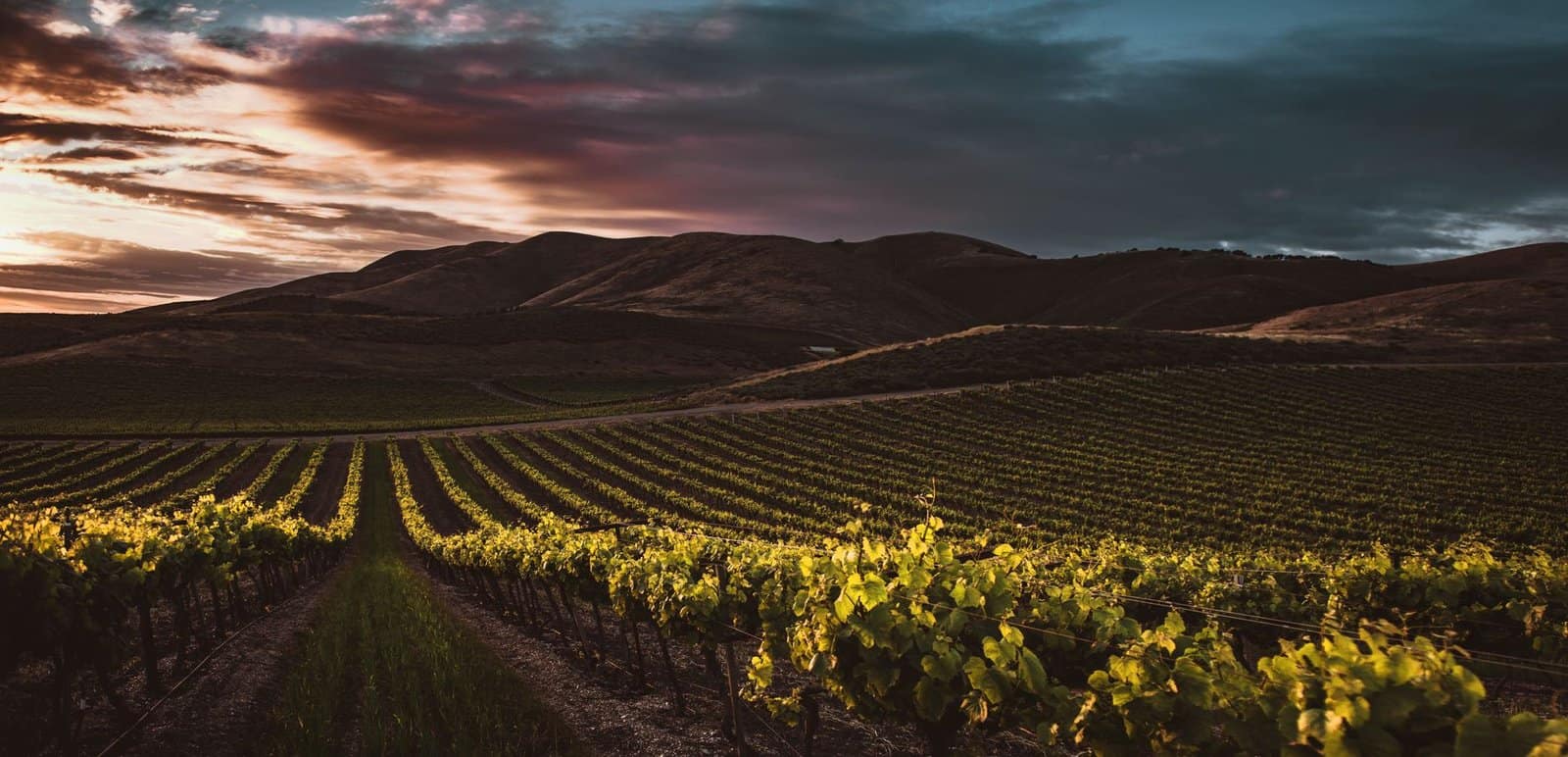
The Texas High Plains grows grapes in a climate that winemakers describe as ideal for specific varieties: 3,000–4,000 feet elevation moderates the Texas heat (temperatures are meaningfully cooler than the Hill Country), low humidity reduces disease pressure, and the intense sunlight builds sugar and phenolic complexity that lower-elevation Texas grapes often lack. The soil — sandy red mesa loam over caliche — drains perfectly and stresses the vines productively. Tempranillo, Cabernet Sauvignon, and Albariño all perform exceptionally well here.
The Wineries Worth the Trip
High Plains and Lubbock-area wineries:
- McPherson Cellars (Lubbock, in a restored Coca-Cola bottling plant): One of the most-respected producers in Texas, nationally recognized for Sangiovese and Roussanne
- Llano Estacado Winery: One of the oldest large-production Texas wineries, with solid value-tier wines and a legitimate tasting room experience
- English Newsom Cellars: Boutique production with some of the highest-rated High Plains wines, small production, worth seeking out
- Pheasant Ridge Winery: Pioneer of High Plains wine, operating since 1982, historical significance for anyone interested in Texas wine origins
What Else Lubbock Has
The Buddy Holly Center in Lubbock is a better museum than its niche subject might suggest. Holly was a founding architect of rock and roll — the Center’s permanent exhibits trace his influence through the musicians who explicitly cited him (The Beatles, the Stones, Bob Dylan) in ways that make the case compellingly. For anyone with any interest in the roots of American music, it’s a legitimate stop. The walk-in vinyl archive and listening library is a specific treasure that few people outside the region know exists.
Lubbock’s restaurant scene has grown with the university and with the wine tourism that’s been building. The combination of a research university (Texas Tech), a growing medical sector (Texas Tech Health Sciences Center), and wine-driven tourism has attracted restaurant and bar investment that Lubbock wouldn’t have had twenty years ago. The city is not a destination restaurant city — but it has enough quality to support a two-day visit that includes the wine trail without requiring all meals to be at chain restaurants.
The case for Lubbock is specific: if you’re interested in Texas wine at the source, or if you’re driving the flat-land Texas west on any itinerary and looking for a stop with more depth than the highway suggests, Lubbock rewards the visit. It’s not competing with Austin or the Hill Country — it’s offering something those places don’t have, grown at 3,300 feet on red sandy soil, and the wineries making it are serious enough to have earned attention beyond Texas.
Lubbock’s Texas Tech Connection
Lubbock’s identity is inseparable from Texas Tech University — 40,000 students, a Carnegie research university, and the anchor of a city that would otherwise be defined entirely by cotton agriculture and petroleum distribution. The Texas Tech campus is one of the most architecturally consistent in the United States: Spanish Renaissance revival buildings in red brick tile covering 1,839 acres in a cohesive design that gives the campus a visual identity that most Big 12 universities lack. The Texas Tech Museum is one of the better natural history and anthropology museums in West Texas.
The Buddy Holly Center in downtown Lubbock preserves the legacy of Charles Hardin Holley — who grew up in Lubbock and was killed in a plane crash at 22, nine months after recording Peggy Sue, Rave On, and That’ll Be the Day — with a museum that tracks the influence of Holly’s 18-month recording career on every major rock development that followed. The Buddy Holly Walk of Fame on the West Texas Walk of Fame plaza in front of the center documents the music history that has anchored Lubbock’s cultural identity since the Hall of Fame’s establishment. The center is $10/adult and is genuinely worth it for anyone with even passing familiarity with early rock and roll history.