Spokane, Washington Has Been Waiting 30 Years for Someone to Notice It. 2026 Might Be the Year
We may earn money or products from the companies mentioned in this post. This means if you click on the link and purchase the item, I will receive a small commission at no extra cost to you ... you're just helping re-supply our family's travel fund.
Spokane, Washington has one of the most unearned reputations for blandness in the American West. It spent decades being described as “Seattle without the water” or “a good place to stop on the way to something else.” Meanwhile, the people who actually live there built a food scene, an arts infrastructure, and an outdoor access network that the description never accounted for. In 2026, the city is drawing attention it’s been quietly earning for a decade.
What Spokane Has Built While Nobody Was Looking
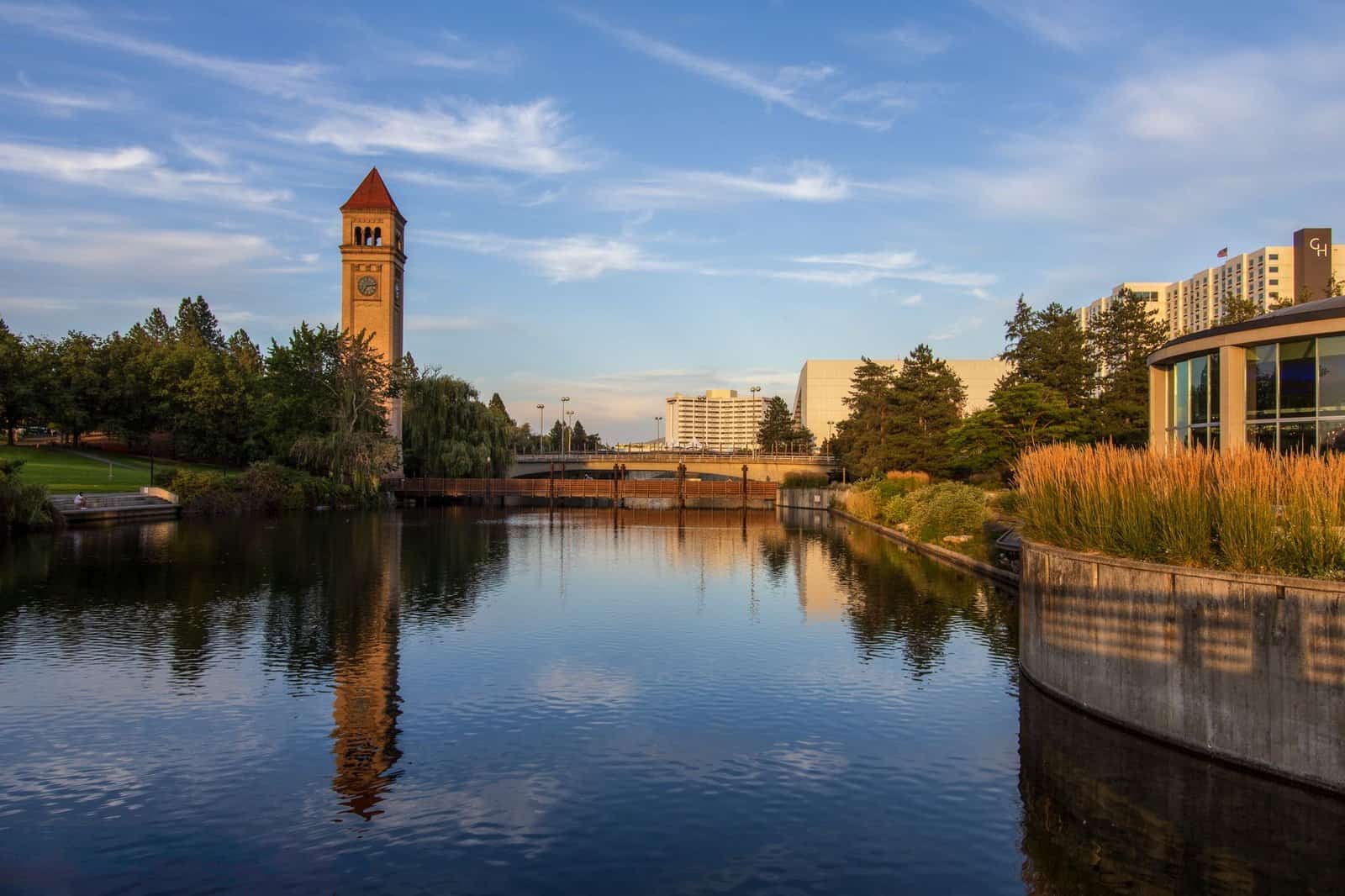
Riverfront Park sits at the center of Spokane and is one of the most genuinely well-designed urban parks in the Pacific Northwest. The Spokane River runs through it with falls visible from the park trails. The park was rebuilt and expanded significantly in 2022–2023, adding a splash pad, ice rink, and renovated carousel that were widely praised. It’s free to enter and walk, and it gives Spokane a civic heart that many cities three times its size lack.
The South Hill and Perry District neighborhoods have developed into genuine dining corridors. Spokane’s craft brewery scene is legitimately strong. The Spokane Symphony is consistently one of the best performing arts organizations per capita in the West. And within 30–60 minutes, Spokane reaches Coeur d’Alene (one of the most scenic lakes in the country), Mount Spokane for skiing, and the Palouse — a rolling agricultural landscape that’s unlike anything else in the Pacific Northwest.
The Cost of Living in 2026
Spokane’s median home price is approximately $320,000 — up from pre-pandemic levels but still dramatically below Seattle ($800,000+), Boise ($450,000+), and Bend ($650,000+). Washington State has no income tax, which is a meaningful advantage compared to Oregon and California. Rent for a two-bedroom in Spokane averages $1,300–$1,600 depending on neighborhood and quality.
Monthly cost estimate for a couple:
- Rent (2BR): $1,350–$1,600
- Groceries: $480–$600/month
- Utilities: $150–$220/month (Washington water rates are reasonable; winters require heat budgeting)
- Car required — Spokane has limited public transit outside of the core
The Outdoor Access That Should Be Getting More Coverage
Coeur d’Alene, Idaho is 30 miles east and offers a lake that belongs on any list of the most beautiful in the West. The Centennial Trail runs 37 miles connecting Spokane to Coeur d’Alene along the Spokane River and state line — one of the best urban-to-wilderness trail connections in the country. Mount Spokane State Park has beginner-to-intermediate ski terrain and summer hiking without the lift ticket prices of major Western ski resorts.
The Palouse — the farm country south and east of Spokane — is a hidden photography and cycling destination. The rolling hills of wheat and legumes create landscapes that look like Tuscany in the right light. Steptoe Butte State Park, a quartzite outcrop rising from the Palouse, offers 360-degree views that are among the most distinctive in Washington State.
The Honest Tradeoffs
What Spokane doesn’t have:
- Walkability beyond the core neighborhoods — a car is effectively required
- Major tech industry employment (smaller companies, not Microsoft or Amazon HQ scale)
- The diversity and international food scene of a larger West Coast city
- A major international airport — Spokane has direct flights to many hubs but limited international options
Spokane is not Seattle and it doesn’t need to be. The people who moved there from Seattle and Portland and have stayed are staying because what Spokane offers — outdoor access, actual affordability, a genuine food and arts scene at a human scale, no income tax, and a city that hasn’t been fully discovered yet — adds up to a life that’s harder to build for the same money anywhere west of the Cascades. That’s the story that’s starting to get told correctly in 2026.
What Spokane Has That Bigger Pacific Northwest Cities Don’t
Spokane’s most distinctive asset is Riverfront Park — the 100-acre park built on the site of the 1974 World’s Fair, centered on the Spokane Falls that drop through the heart of the city in a series of cascades visible from the downtown bridges. The falls are the defining natural feature of Spokane, giving it a geographical drama that Seattle (flat by the water) and Portland (flat downtown) lack. The renovated Gondola over the Falls, the SkyRide that crosses the lower falls, and the refurbished 1909 Looff Carousel in the park (restored and operating, admission $2/ride) make Riverfront Park one of the most complete downtown parks in the Pacific Northwest.
Spokane’s position as the primary city for eastern Washington and the northern Idaho panhandle gives it a regional commercial density that its 230,000 population would otherwise suggest. The Browne’s Addition neighborhood west of downtown — Victorian homes and mature trees on a bluff above the river — has the best independent restaurant corridor in Spokane. The South Perry District, on the south side, has developed a coffee shop and local business culture that reads like a smaller version of Portland’s Division Street. Hotel prices in Spokane average $130–$180/night, significantly below Seattle and Portland for comparable quality, making it the most affordable quality base for eastern Washington exploration.