Knoxville Spent a Decade Being Tennessee’s Forgotten City. The People Who Moved There Know Something Nashville Visitors Don’t
We may earn money or products from the companies mentioned in this post. This means if you click on the link and purchase the item, I will receive a small commission at no extra cost to you ... you're just helping re-supply our family's travel fund.
Nashville gets the attention. Chattanooga gets the outdoor recreation story. Memphis gets the music history coverage. Knoxville gets the College football and then gets forgotten until the next season. That positioning — not quite the star, not quite the underdog — has created a city that’s been building real infrastructure for years while the spotlight pointed elsewhere. The people who moved there quietly are not looking to trade back.
What Knoxville Has That the Coverage Misses
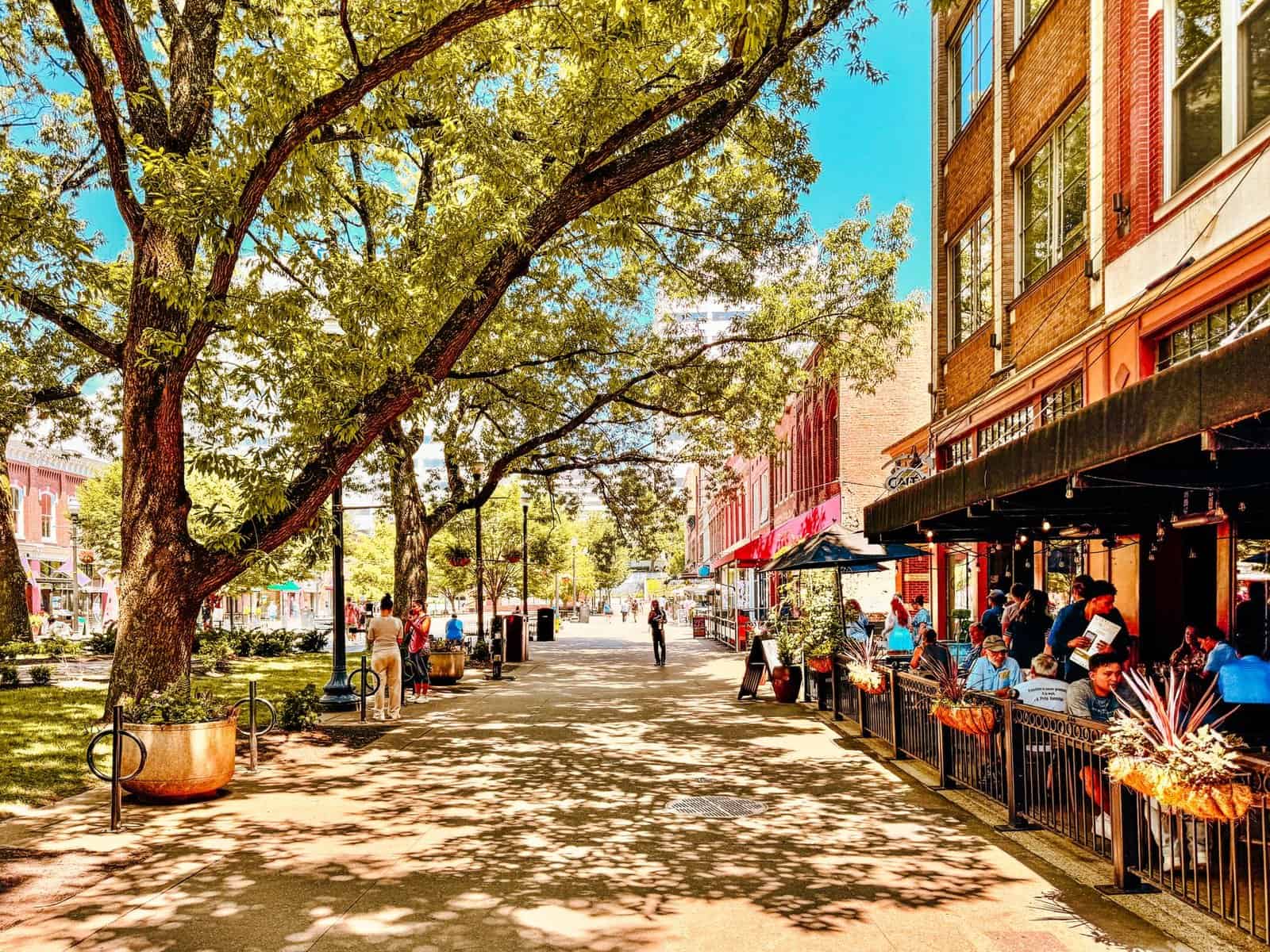
Knoxville sits at the base of the Great Smoky Mountains — the most-visited national park in the United States is 45 minutes from downtown. The Tennessee River runs through the city, and the Urban Wilderness trail system connects downtown Knoxville to a 1,000-acre network of trails, quarry lakes, and greenways with no car required. Market Square downtown hosts a genuine farmers market, concerts, and events that the city’s size would suggest it shouldn’t be able to support at that level.
The Cost of Living Numbers in 2026
The median home price in Knoxville proper is approximately $290,000 — up from pre-pandemic levels but still far below Nashville ($450,000+) and dramatically below Bozeman, Boise, or Austin. Rent for a two-bedroom is averaging $1,350–$1,650, depending on neighborhood and finishes. Tennessee has no state income tax, which is meaningful for higher earners comparing it to other states.
Monthly cost estimate for a couple in Knoxville:
- Rent (2BR, mid-quality): $1,450–$1,700
- Groceries: $500–$650/month (Knoxville prices are near or slightly below national average)
- Utilities: $160–$220/month (TVA electricity, fairly consistent)
- Transportation: car required, gas near national average, parking generally free in most neighborhoods
The Food and Bar Scene — Genuinely Underrated
Market Square and the surrounding Old City neighborhood have developed a dining and nightlife scene that consistently surprises visitors who last came to Knoxville for a football game fifteen years ago. The local food culture benefits from proximity to Appalachian ingredients and a University of Tennessee population that has kept the culinary expectations high. Old City has good cocktail bars, the Tennessee Theatre is one of the most beautiful historic movie palaces in the South, and the Bijou Theatre books touring national acts that a city of Knoxville’s size usually doesn’t get consistently.
What People Who Moved to Knoxville Say About the Tradeoffs
What they love:
- Great Smoky Mountains access 45 minutes from downtown — uncrowded weekday hiking
- Cost of living that allows saving and quality of life simultaneously
- Genuine community feel in neighborhoods — Parkridge, Old North Knoxville, 4th & Gill
- Easy driving access to multiple other cities (Asheville 2 hours, Nashville 3 hours, Atlanta 2.5 hours)
What they adjusted to:
- Limited public transit — a car is essentially mandatory
- Football Saturdays in fall effectively close the city for local errands
- The international food scene is improving but not at Nashville or Chattanooga levels yet
- Summers are hot and humid — July and August require planning around heat
Knoxville’s trajectory is upward. The 2026 version of the city is meaningfully better than the 2019 version, which was meaningfully better than the 2010 version. It hasn’t gotten the Nashville press attention and hasn’t seen the Nashville price spike either. For people who want genuine Southern Appalachian culture, a real college-town energy, outdoor access that’s hard to beat east of the Rockies, and a cost of living that still feels manageable — Knoxville is the answer to a question a lot of people are currently asking.
The Knoxville Moment — What’s Driving It
Knoxville’s revitalization is anchored by the University of Tennessee (23,000 students on the main campus, the state’s flagship research university) and by the Market Square district — a 19th-century courthouse square that was restored in the early 2000s and has developed into the most walkable neighborhood in the city. The Old City, adjacent to Market Square, has absorbed a second wave of restaurants and bars that arrived behind the first-wave anchor restaurants. The combination of university economy, Young Williams Animal Center, Sunsphere (the 1982 World’s Fair Tower), and the Tennessee River Urban Wilderness creates a city that functions at a scale and quality level that its 190,000 population doesn’t fully explain.
Great Smoky Mountains National Park is 35 miles from downtown Knoxville — a 50-minute drive to the Gatlinburg entrance. This proximity makes Knoxville the most practical affordable base for Smokies visits: hotel prices in Knoxville ($120–$170/night) run significantly below Gatlinburg ($180–$280/night) for comparable quality, and the 50-minute drive is shorter than the drive from Asheville. Knoxville residents treat the Smokies as their backyard in the way that Denver residents treat Rocky Mountain National Park — a weekend resource rather than a special occasion trip.