8 Hotel Room Upgrades You Can Get for Free — And the One Script That Works at Almost Every Front Desk
We may earn money or products from the companies mentioned in this post. This means if you click on the link and purchase the item, I will receive a small commission at no extra cost to you ... you're just helping re-supply our family's travel fund.
Hotel front desk agents have significant discretion over room assignments. They’re looking at a grid of available rooms right now, and which one you get is often as much about how the conversation goes as about what you booked. The guests who consistently get better rooms aren’t demanding or entitled — they know how to ask in a way that makes saying yes easy.
The 8 Ways to Get a Free Hotel Upgrade
1. Ask directly at check-in — but frame it correctly
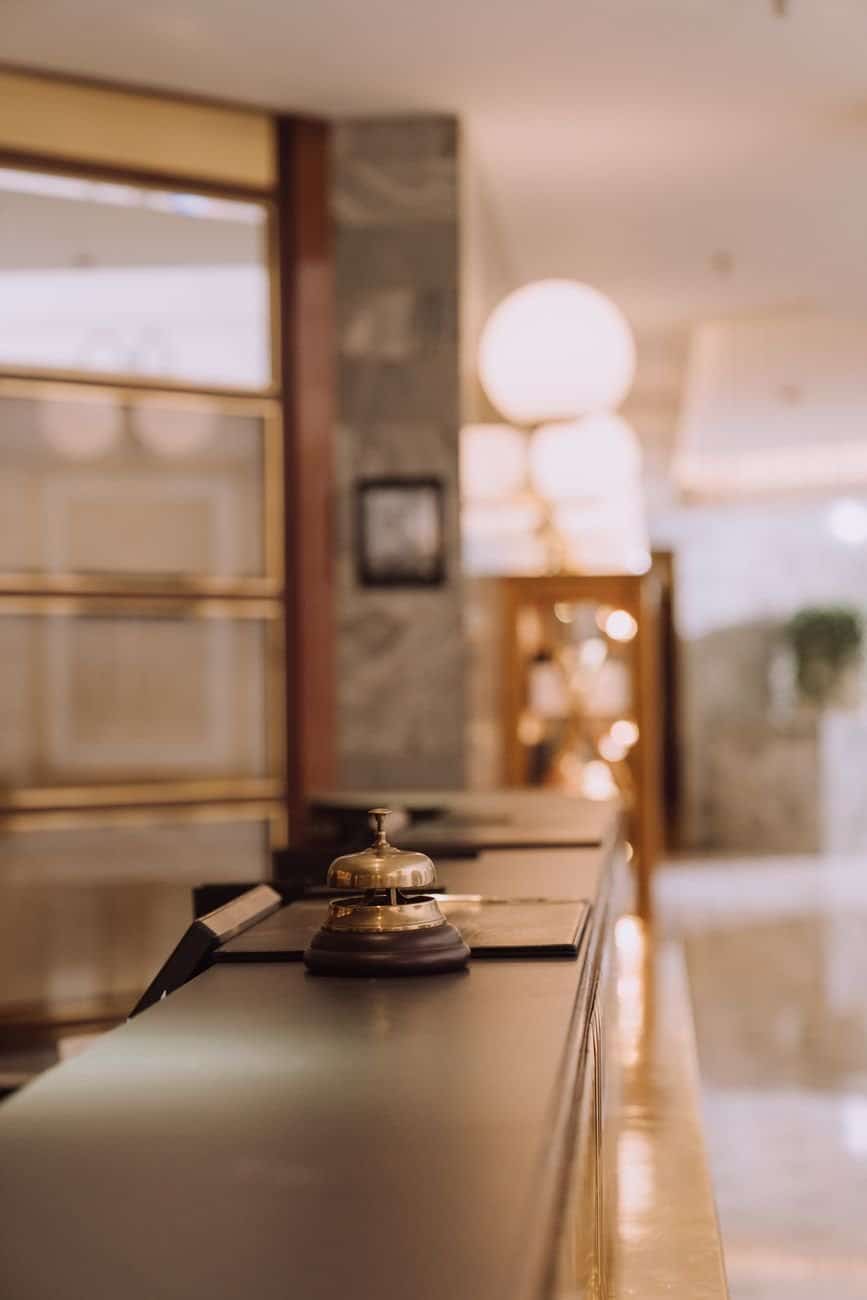
The wrong way: “Can I get an upgrade?” The right way: “I see I’m in a standard room — are there any rooms with a better view or on a higher floor available tonight? I’m flexible on room type if something happens to be open.” The second version gives the agent a reason to look, a constraint they can work within, and signals you’re not expecting something for nothing. It works more than half the time at hotels that aren’t fully sold out.
2. Arrive in the late afternoon
Hotels have a clearer picture of their inventory after 4 PM than at 11 AM. Early arrivals often get standard rooms because the agent doesn’t yet know what’s checking out, what’s having maintenance issues, and what the actual available inventory looks like. Late afternoon check-in means the agent can see the full board and has more ability to move you somewhere better.
3. Join the loyalty program before you arrive
Even a base-level loyalty membership makes a difference. Hotels prioritize room assignments for loyalty members over non-members when upgrades are available. The membership is free. Signing up the week before your stay and booking directly through the hotel website is often enough to flag you for preferential treatment.
4. Mention a special occasion — specifically and honestly
“We’re celebrating our anniversary” is a genuine trigger for upgrade consideration at many hotels. Mention it in the reservation notes when you book and repeat it politely at check-in. This is not manipulation — the hotel wants to be part of your celebration and often has specific discretion to make that happen.
5. Book directly through the hotel website, not OTAs
Hotels have explicit policies of giving preference — better rooms, free breakfast, early check-in — to direct bookers over OTA (Expedia, Booking.com) bookings. Direct bookings are more profitable for the hotel and signal a level of brand loyalty. The front desk knows how you booked.
6. Be genuinely pleasant to the check-in agent
This is the one that people know but underestimate. Front desk agents process hundreds of guests a day, many of whom are stressed or entitled. Being genuinely warm, patient, and grateful takes 30 seconds and meaningfully changes the probability that the agent offers something better than what’s strictly warranted. This is not a strategy — it’s just how human interaction works.
7. Use hotel app check-in with room selection
Many major hotel chains (Marriott, Hilton, Hyatt) now allow app-based check-in with room selection 24–48 hours before arrival. The selection grid shows available rooms and lets you pick the floor, view side, and exact room. This isn’t an upgrade — it’s room selection — but it consistently gets you a better room than accepting the default assignment at check-in.
8. Have a meaningful complaint ready — but use it thoughtfully
If something was genuinely wrong with your stay — noise from a room above, a view that was described differently than reality, a maintenance issue — mentioning it calmly at checkout or via the hotel’s follow-up survey gives the property an opportunity to make it right. Many hotels will offer points, a discount on a future stay, or upgrade on return. The key word is genuine: manufactured complaints are obvious and counterproductive.
The One Script That Actually Works
At check-in, after giving your name: “Hi, I’m really looking forward to the stay. I’m a [loyalty program] member, and I booked directly through your website — I wanted to make sure that came through correctly. I know you’re probably fully sold out tonight, but if there happens to be a room with a better view or on a quieter floor available, I’d love to hear about it.”
That script does several things at once: references your loyalty status, signals you booked direct, acknowledges the agent’s constraints, and asks in a way that requires no justification to say yes to. It works consistently at independent and chain hotels alike — not every time, but often enough that it’s worth doing on every stay.