I Spent 3 Months on a Houseboat in the Pacific Northwest. Here’s What It Cost and What Nobody Warned Me About
We may earn money or products from the companies mentioned in this post. This means if you click on the link and purchase the item, I will receive a small commission at no extra cost to you ... you're just helping re-supply our family's travel fund.
The houseboat lifestyle looks perfect in every photo. The water, the stillness, the morning fog, the herons landing on the dock. What the photos don’t show is the propane bill, the pump-out schedule, the insurance complications, or what happens when a windstorm pins your boat against the dock at 2 AM. I spent three months living aboard in the Pacific Northwest and tracked every dollar and every surprise.
What Kind of Houseboat Living We’re Talking About
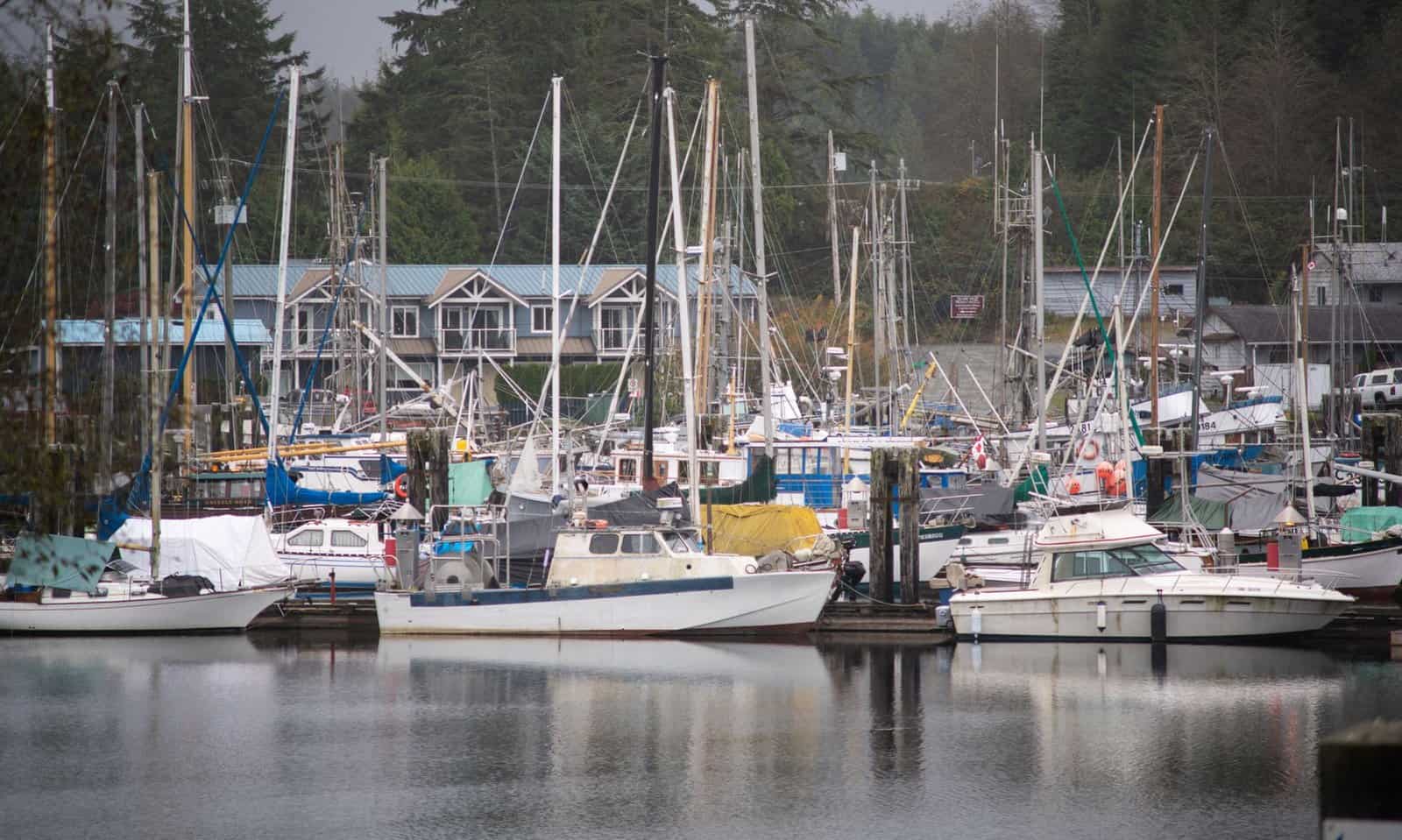
There are two very different things people mean when they say “houseboat.” The first is a floating home — a full-scale residence on a float in a marina or lake, with full utilities, sometimes larger than many land houses, and with price tags to match. Seattle’s Lake Union floating homes famously sell for $500,000–$1.5 million. The second is a liveaboard boat — a cruising or powerboat with a cabin, moored in a slip. I did the latter, renting a 42-foot trawler from an owner who was traveling for a season.
The Monthly Cost Breakdown
Marina moorage (slip rental):
- Seattle-area marina slips: $12–$20 per linear foot per month
- A 42-foot boat at $15/ft: $630/month for the slip
- Included: electrical hookup (30 amp), water, pump-out service at most marinas
Boat rental (sublet arrangement):
- The arrangement: $1,800/month to rent the boat from the owner, with me responsible for marina costs
- Total housing cost: $1,800 + $630 = $2,430/month
Ongoing costs that surprised me:
- Propane (heat and cooking): $60–$90/month in autumn/winter months
- Additional electricity on cold nights: $30–$50/month beyond marina hookup
- Laundry (marina facilities): $40–$60/month
- Maintenance items (bilge pump checked monthly, minor seals): variable, budgeted $100/month and spent about $80 average
The Things Nobody Warned Me About
The noise
Boats make noise at dock in ways that are hard to anticipate. Line creaking against cleats. The hull slapping water in wake from passing boats. Pumps cycling. Rain on a fiberglass deck sounds completely different from rain on a roof. After about three weeks I adapted completely and stopped noticing it. The first three weeks involved more interrupted sleep than I expected.
Storage psychology
A 42-foot trawler has more storage volume than it looks like from the photos, but it’s all odd shapes — under bunks, in engine compartment surrounds, in lockers designed for marine gear. Organizing a life’s worth of clothes, food, and equipment into non-rectangular spaces is a real adjustment. I got rid of about 40% of what I thought I’d need in the first two weeks.
The social life you didn’t plan for
Marina communities are surprisingly social in a way that apartment living rarely is. Your neighbors are 20 feet away and you can hear each other’s conversations on deck. There’s a culture of showing up with wine when someone’s working on a repair project. It’s genuinely community in a way that’s rare in modern American housing — but it also means your choices about privacy and availability are different than in a house.
Was It Worth It?
The Pacific Northwest fall was spectacular from water level. Morning on the dock in October — fog burning off, osprey overhead, the smell of salt water and coffee — was something I’d have difficulty finding in a land-based dwelling at any price. The boat itself was warm, functional, and genuinely comfortable once I’d adapted to its logic.
At $2,430/month all-in for housing in the Seattle area, it was actually one of the more affordable options available to me in that market. The constraints were real but manageable. If you’re flexible about storage, open to a different kind of community, and genuinely drawn to water — not just to the idea of water — it’s a life that delivers. The people who try it and love it tend to keep doing it. That’s probably the most honest data point available.
Life on a Houseboat — What the Reality Check Looks Like
The Pacific Northwest houseboat fantasy runs into several specific realities that prospective live-aboards encounter quickly. Marina waitlists for houseboat slips in Portland and Seattle run 3–7 years for established properties in the most desirable locations. Monthly moorage fees average $1,500–$2,500 in Portland’s Sauvie Island corridor and higher in Seattle’s Lake Union. The houseboats themselves are subject to property tax as real estate (not as boats, in most jurisdictions) and require marine insurance in addition to standard homeowners coverage.
The practical experience of houseboat living — the motion in weather events, the plumbing and electrical systems that require marine-grade components rather than standard residential parts, the noise and social proximity to neighboring boats — is either the appeal or the deterrent depending on the individual. The people who’ve done it for 10+ years on Portland’s Sauvie Island tend to describe it as the specific life they wanted rather than as a romantic choice they made once and regretted: the community of live-aboards is tight, the access to the Willamette River and the Columbia is immediate, and the cost per square foot of real estate is below land-based alternatives in the same urban markets.