A Week in Hawaii Done Right Costs More Than Most Americans’ Monthly Rent. Here’s the Actual Math
We may earn money or products from the companies mentioned in this post. This means if you click on the link and purchase the item, I will receive a small commission at no extra cost to you ... you're just helping re-supply our family's travel fund.
Forget the budget-travel version of Hawaii with hostel dorms and gas station poke. A week for two people doing Hawaii properly — a decent hotel or condo, a rental car, real meals, at least one boat or helicopter excursion — runs $4,500 to $7,000 depending on the island and season, before airfare from the mainland, which itself typically adds $700 to $1,200 per person round-trip from the West Coast and considerably more from the East Coast or Midwest. This isn’t a scare number designed to discourage anyone. It’s what the islands actually cost once you stop pretending you can do it like Southeast Asia backpacking.
Where the money actually goes
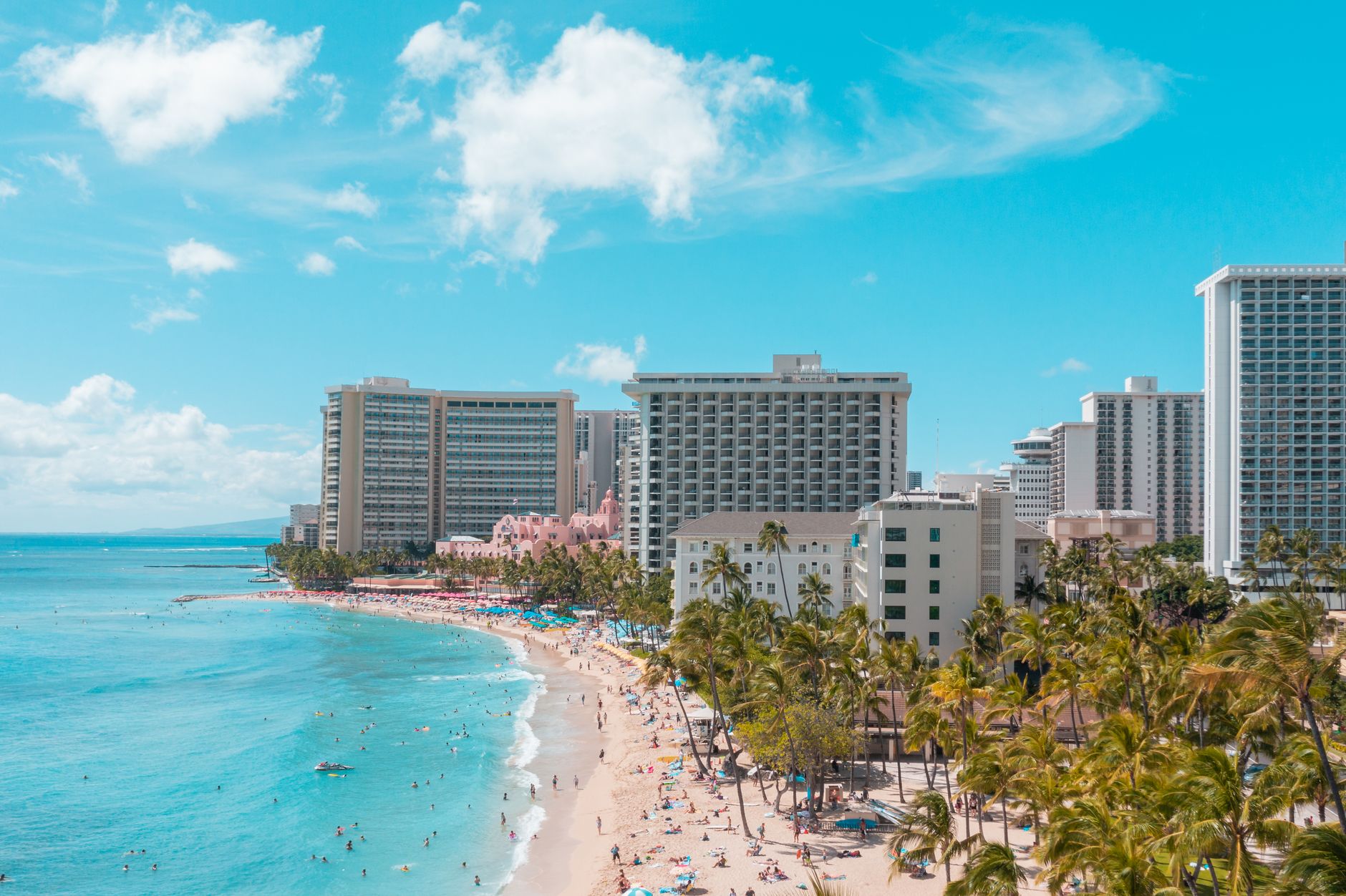
Lodging is the single biggest line item and the one people underestimate most. A mid-range hotel on Maui or Oahu — not luxury, just a clean three-star with a pool — runs $300 to $450 a night in peak season. A one-bedroom condo through a vacation rental platform lands in similar territory once cleaning fees and Hawaii’s roughly 18 percent combined transient accommodations and general excise tax are factored in. Seven nights at $350 a night is $2,450 before a single meal.
Car rentals are the second shock. Hawaii’s rental car supply never fully recovered from pandemic-era fleet sell-offs, and demand outstrips it constantly, which keeps daily rates elevated — often $60 to $100 a day depending on island and season, more on Kauai and the Big Island where distances between attractions are longer and a car is closer to mandatory than optional. That’s another $420 to $700 for the week.
Food is where people either save real money or torch their budget entirely. A sit-down dinner for two at a mid-range restaurant in Lahaina or Kailua runs $80 to $130 with a drink each. Grocery prices in Hawaii run roughly 60 to 90 percent higher than the mainland U.S. average because almost everything is shipped in, so even self-catering doesn’t save what it would elsewhere. A realistic week of mixed grocery breakfasts, casual lunches, and a few real dinners lands around $700 to $1,000 for two people.
The excursion that actually justifies the trip
A Road to Hana guided tour, a Molokini snorkel cruise, a Waimea Canyon and Na Pali Coast helicopter tour, a sunrise trip up Haleakala — these are the experiences that are actually specific to Hawaii and worth the premium. They run $150 to $450 per person. Skipping them to save money is the single most common regret travelers report after a Hawaii trip, according to travel forums and repeated anecdotal patterns — people remember the sunrise at 10,000 feet on Haleakala for the rest of their lives and forget almost everything about the hotel pool.
A realistic weekly total for two adults
- Lodging (7 nights, mid-range): $2,450–$3,150
- Rental car (7 days): $420–$700
- Food for two: $700–$1,000
- One major excursion each: $300–$900
- Parking, activities, incidentals: $200–$400
- Airfare (2 people, West Coast departure): $1,400–$2,400
Add it up and a realistic total for two people lands between $5,470 and $8,550, with most trips clustering around $6,500. That’s before anyone buys a souvenir or upgrades a single thing.
Why the budget version doesn’t actually work
Island-by-island cost differences that change the math
Oahu tends to run slightly cheaper than Maui for lodging because supply is larger and competition among hotels near Waikiki keeps rates somewhat more competitive, though it comes with far more crowding at major sites like Diamond Head and Pearl Harbor. Maui commands a premium for its resort corridor in Wailea and Kaanapali, but also offers condo alternatives in Kihei that undercut beachfront hotel pricing substantially. Kauai and the Big Island both require more driving and generally larger rental car budgets because the islands are less centralized, but both offer meaningfully cheaper lodging outside their small resort clusters, particularly in Hilo on the Big Island, which sees a fraction of the tourist traffic of the Kona coast.
Timing matters as much as island choice. Hawaii’s peak pricing hits during winter holiday weeks (mid-December through early January) and again in summer when mainland schools are out. Shoulder seasons — late April through early June, and September through mid-November — offer noticeably lower hotel rates and thinner crowds at the same attractions, often with the same weather, since Hawaii’s climate doesn’t swing as dramatically by season as most of the mainland. A family willing to travel during a school-in-session week in late September can often cut the lodging portion of the budget by 20 to 30 percent without sacrificing much of the experience.
Families traveling with kids face a different calculation than couples, since many of the marquee excursions — helicopter tours, certain snorkel cruises — have age minimums or aren’t practical with young children, which can actually reduce the total cost while also reducing what the trip delivers. Conversely, larger groups splitting an Airbnb or vacation rental can bring the effective nightly lodging cost per person down substantially compared to two people each paying full hotel rates, which is part of why multi-generational family trips to Hawaii have become increasingly common — the fixed costs of a rental home spread across six or eight people in a way that makes the math work far better than it does for a solo traveler or couple.
One more line item worth budgeting honestly: resort fees. Many Hawaii hotels tack on daily resort fees of $30 to $50 that cover things like beach chairs, wifi, and parking but aren’t included in the advertised nightly rate, which means the number shown during booking is rarely the number actually charged. Reading the fine print before booking, and factoring resort fees into any hotel comparison, prevents one of the more common budget surprises travelers report after the fact.
Hawaii doesn’t have a hostel-and-street-food infrastructure the way Southeast Asia or Central America does, because the cost of doing business there — shipping, labor, land — makes rock-bottom pricing structurally difficult. Camping is legal and cheap on some islands but requires permits, gear, and a tolerance for weather that most vacationers don’t have. The islands reward people who accept the real price tag and plan around it rather than people who try to hack around it, and understanding that upfront saves the mid-trip sticker shock that ruins more Hawaii vacations than bad weather ever does.